
Overview
Uganda packs mountain gorillas and chimpanzees, the source of the Nile at Jinja, Murchison Falls, savannah safaris and a lively capital into one country. It is excellent value, with warm hospitality and a strong guiding tradition, but demands more planning for roads, permits and local laws than some neighbours.
Book gorilla permits first, then choose lodges and drivers around them.
Entry requirements
UK government guidance says passports must be valid for at least six months after arrival and that a visa is mandatory. Apply online through Uganda's immigration portal and carry the letter of authorisation with its barcode, or apply at a Ugandan embassy. An East Africa Tourist Visa is available for USD 100 and allows multiple entries into Kenya, Rwanda and Uganda over 90 days.
Other nationalities have different rules, so South African, Zimbabwean and other travellers should check their own position. Proof of yellow fever vaccination is required, and you should carry the physical certificate. If someone is meeting you at Entebbe, only ticketed passengers can enter the terminal building, so meet outside. Declare anything prohibited or dutiable.
See also our Rwanda brief and Kenya brief for regional trips.
Best time to visit
June to August and December to February are the main dry seasons, best for trekking and game drives. The main rains run roughly March to May and September to November, which make forest trails muddy and some roads difficult, though gorilla trekking continues year round.
Money
The currency is the Ugandan shilling (UGX). Cards are accepted at larger hotels and lodges, but cash is needed for fuel, markets, boda rides and park gates in remote areas. UK government guidance advises avoiding carrying large amounts of cash and using ATMs inside secure buildings. Mobile money is widely used locally.
For everyday spending, compare the best ways to pay while travelling and always choose the local currency when a terminal offers to convert (why).
Mobile data and eSIMs
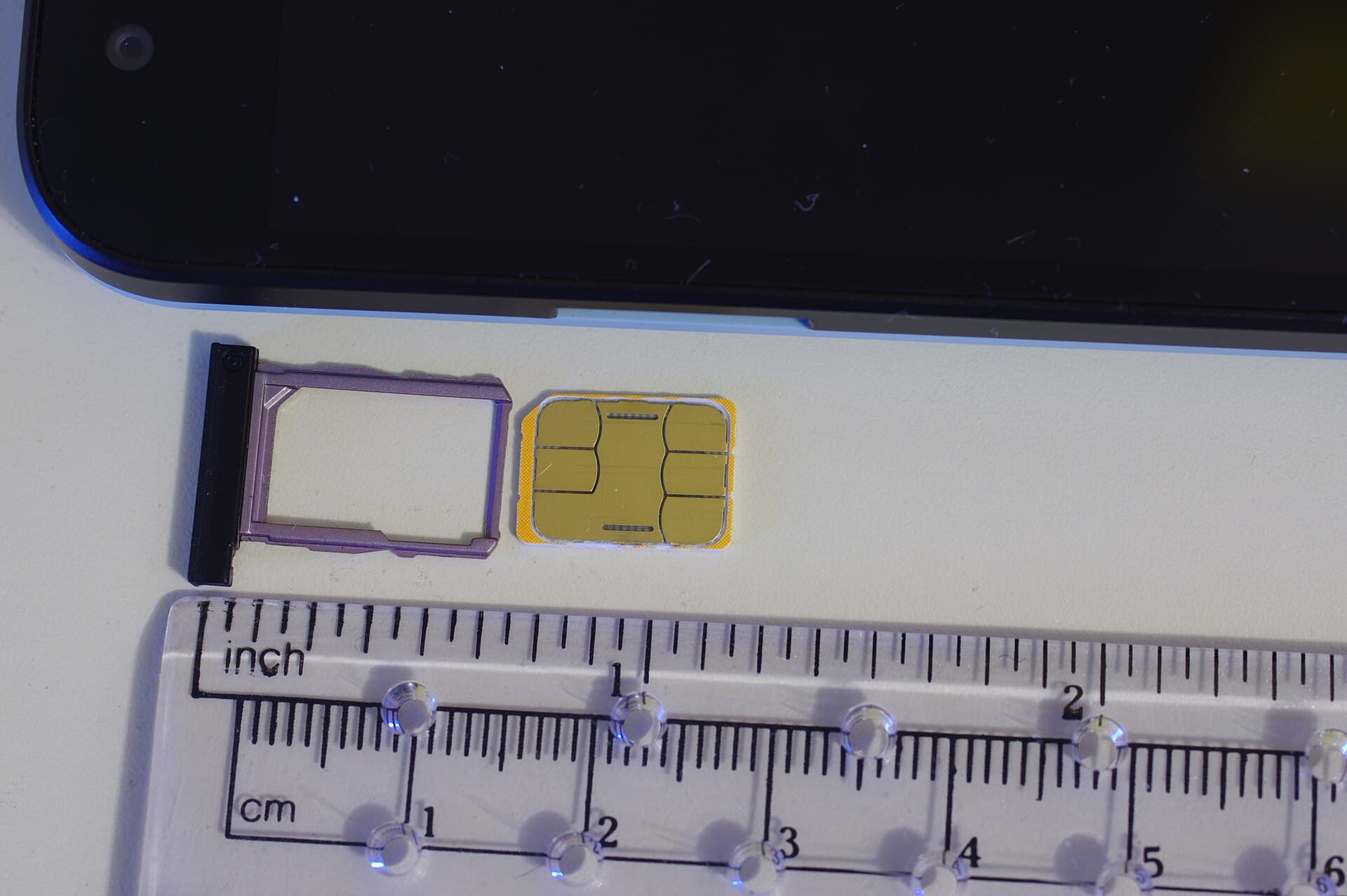
Coverage is good in Kampala, Entebbe, Jinja and along main roads, and variable in national parks and remote areas. A local SIM is cheap with a passport, and travel eSIMs work in cities. Use our eSIM Finder to estimate how much data you need.
Getting around
Uganda drives on the left. UK government guidance says driving standards are poor and accident rates are high, and advises avoiding travel outside main towns after dark, except between Kampala and Entebbe airport. It also advises avoiding matatus (minibus taxis) and boda-bodas (motorbike taxis), and notes mugging incidents involving motorbike taxis. Hire a driver-guide for park routes, and use app-based or hotel taxis in Kampala. Traffic in Kampala can be severe, so allow extra time for airport transfers.
Safety and health
Tourists, especially those showing wealth, can be targeted by thieves who also steal from cars and taxis stopped in traffic. Avoid walking after dark and do not accept food or drink from strangers. Methanol-contaminated alcohol has been reported. The terrorism threat is high, so avoid large gatherings.
Same-sex activity is illegal with severe penalties, including life imprisonment, and the 2023 Anti-Homosexuality Act introduced the death penalty for aggravated cases. Military-style clothing and e-cigarettes are banned, photographing military and diplomatic sites is forbidden, and drug penalties are severe. Trading in protected wildlife products is prosecuted.
Take medical advice on malaria and vaccinations before you travel.
Things to do
- Mountain gorilla trekking in Bwindi and Mgahinga
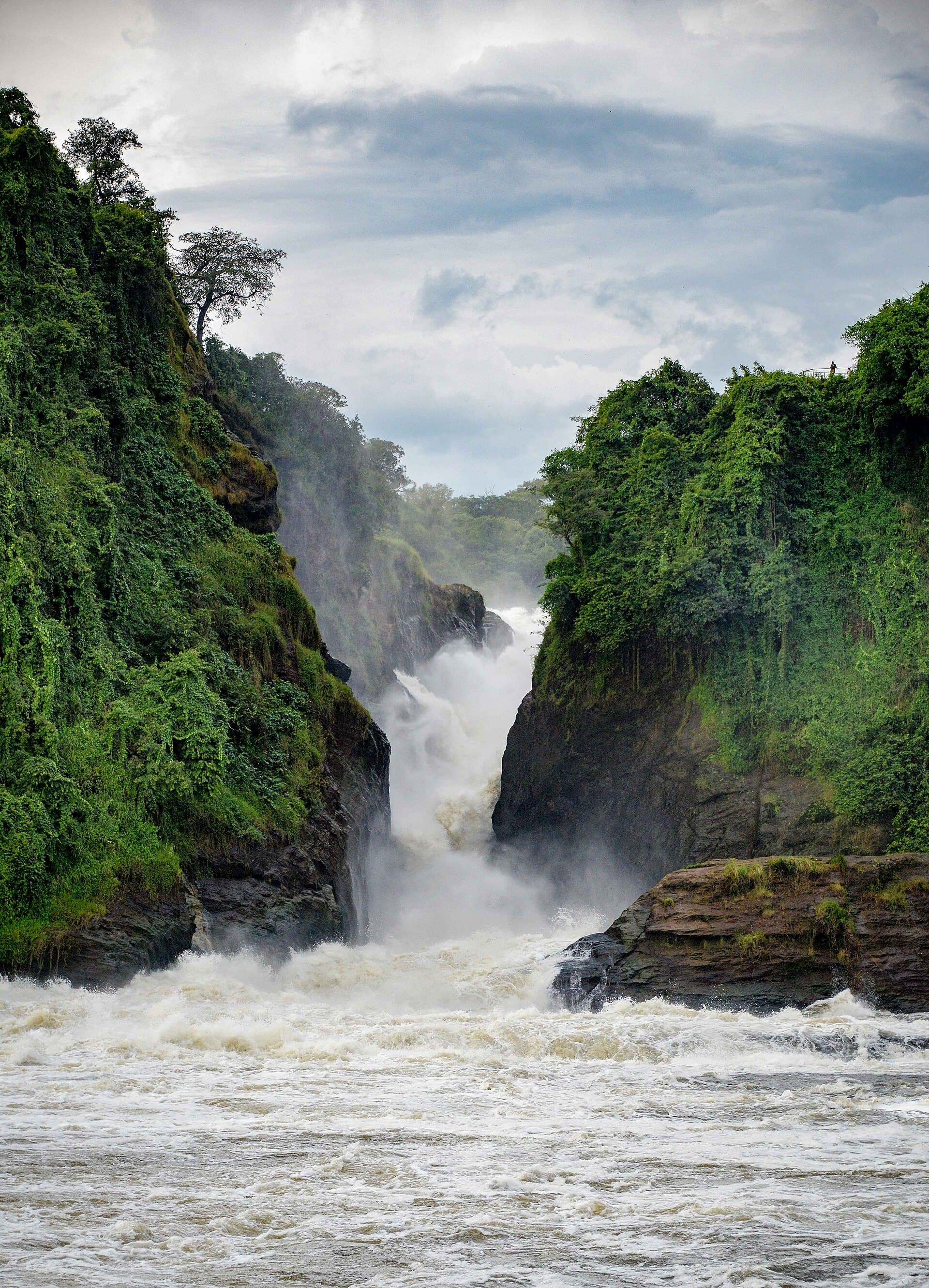
- Murchison Falls boat trips and game drives
- Chimpanzee tracking at Kibale
- White-water rafting and the Nile at Jinja
- Queen Elizabeth National Park, including tree-climbing lions
Airports
Entebbe International (EBB) is the main gateway, around an hour or more from Kampala depending on traffic. Many visitors also cross by road from Kenya, Rwanda and Tanzania.
Local customs
Ugandans greet at length, so take time to say hello. Dress modestly, especially outside Kampala. Ask before photographing people, and never photograph security installations. Tipping drivers, guides and trackers is customary.
Emergency numbers
Police: 999. Mobile phones can also dial 112. Response outside Kampala can be slow.