
Overview
Kenya is the classic East African safari country: the Maasai Mara, Amboseli beneath Kilimanjaro, Tsavo and Samburu, plus a long Indian Ocean coast with Swahili towns and beaches. Nairobi is a regional business and transport hub with a national park on its doorstep.
Safari prices and availability depend heavily on season, so book camps and conservancies early for July to October. Entry is now managed through an online authorisation, which makes it essential to apply before you fly.
Entry requirements
Many visitors, including UK, EU and US passport holders, need an Electronic Travel Authorisation (eTA), applied for online before departure. The official portal lists a standard fee and a processing time of up to three working days, with a paid expedited option. Most African nationals (except Somalia and Libya) and East African Community citizens are exempt for short stays, though permitted stay lengths differ by passport.
Apply early, use only the official government portal and keep a printed copy of your approval. Look-alike sites charge extra fees for the same form. Travellers aged one and over arriving from a country with yellow fever risk must show a yellow fever vaccination certificate. Check your onward or home country's rules too.
Best time to visit
July to October is peak season for the wildebeest migration in the Maasai Mara, with high demand and prices. January to February is hot and dry and good for wildlife, while the long rains (roughly March to May) and short rains (roughly late October to December) cause the quietest period with lower rates. The coast is hottest between January and March.
Money
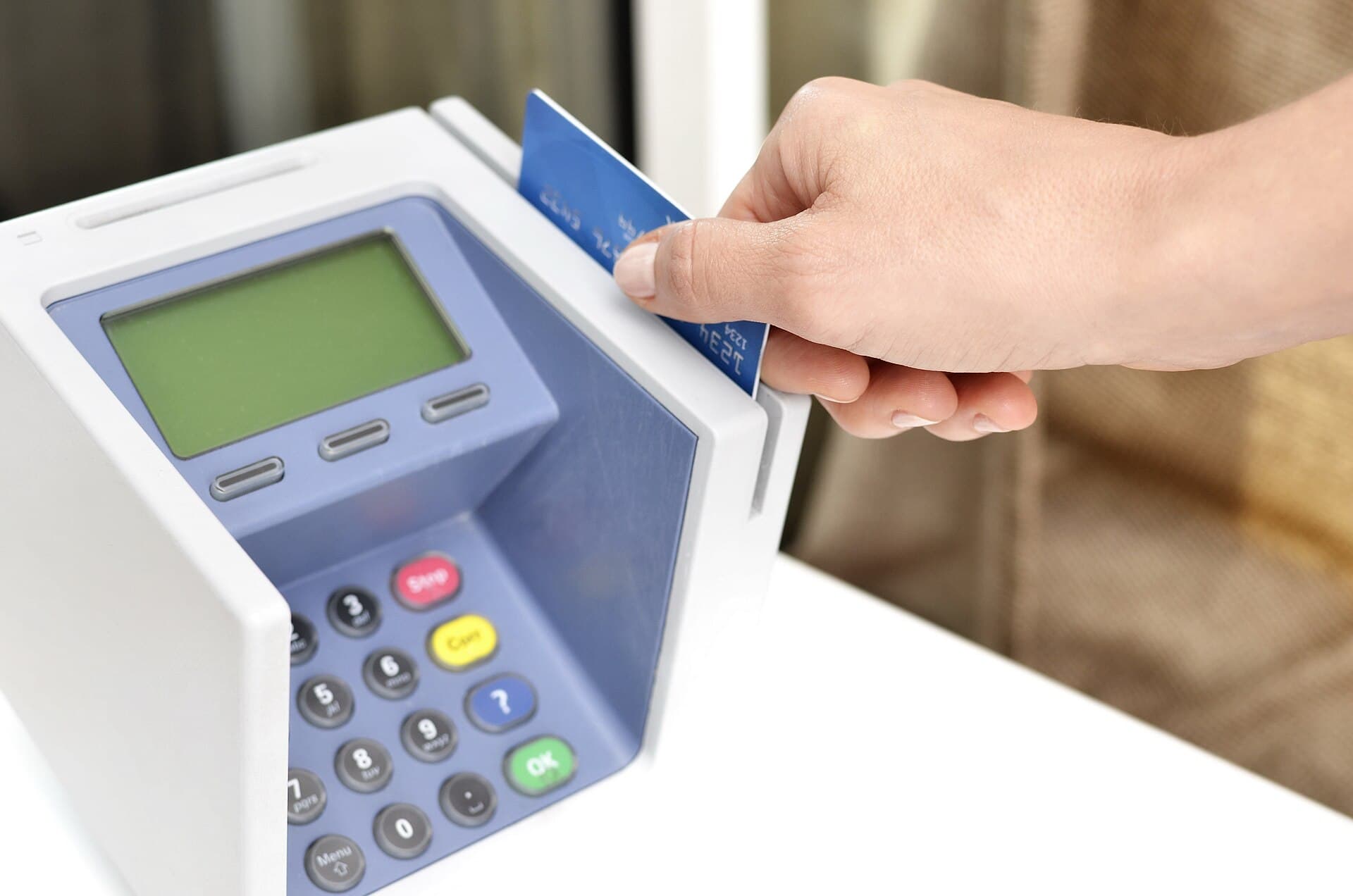
The currency is the Kenyan shilling (KES). Cards work in Nairobi hotels, malls, safari lodges and larger restaurants. M-Pesa mobile money is how most locals pay, including at small shops and for transport, while visitors usually rely on cards and cash. ATMs are widely available in cities, and safari camps often add tourism levies, so ask what is included before you book. Tipping guides and camp staff is customary.
For everyday spending, compare the best ways to pay while travelling and always choose the local currency when a terminal offers to convert (why).
Mobile data and eSIMs
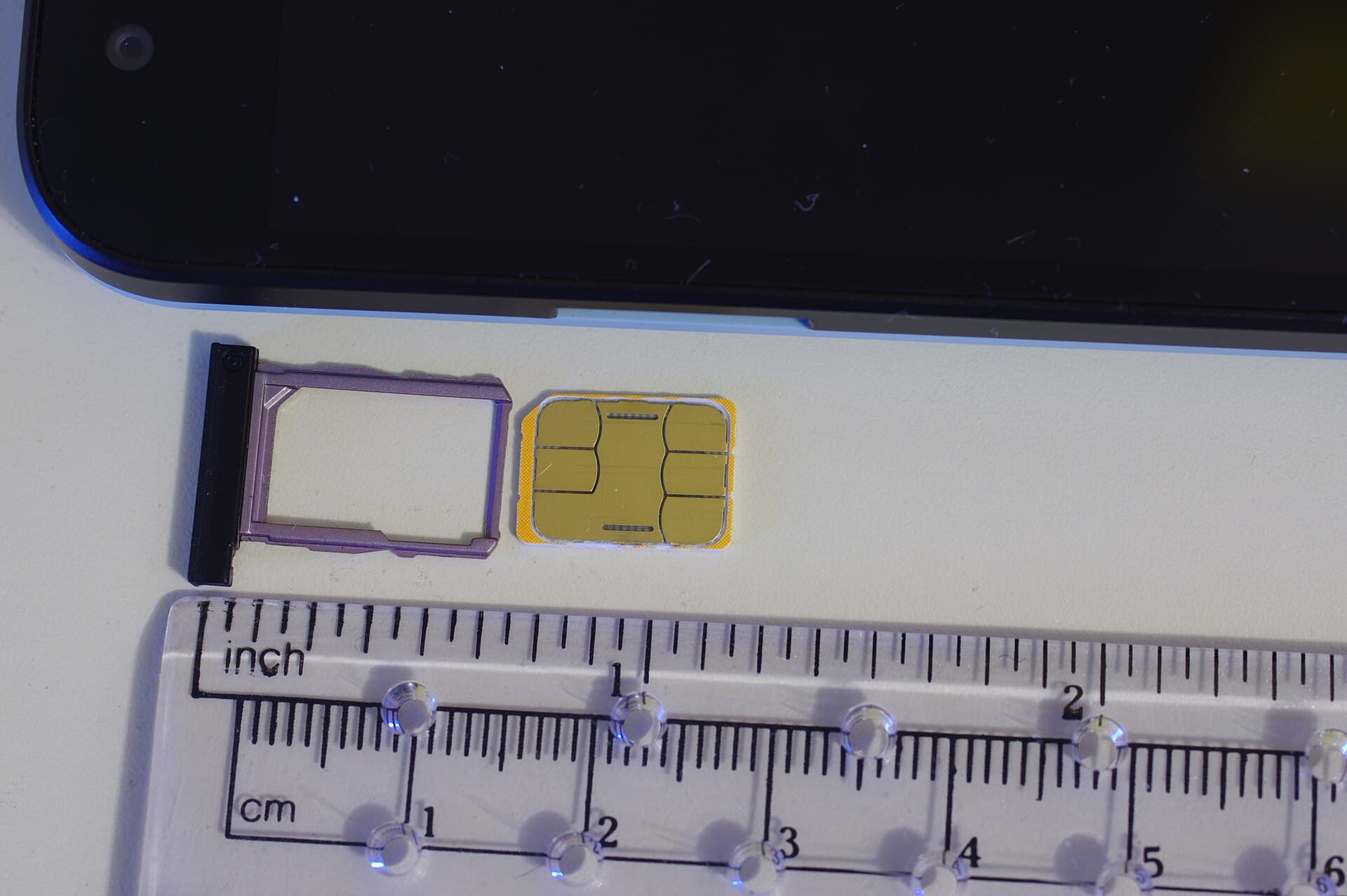
Safaricom and Airtel sell SIM cards at the airport and in shops, with passport registration. Coverage is good in Nairobi and along main roads and patchy in parks and conservancies. A travel eSIM is the simplest option for arrival.
A travel eSIM avoids hunting for a SIM shop after a long flight. Use our eSIM Finder to estimate how much data you need.
Getting around
Nairobi traffic is heavy, so allow plenty of time for airport transfers. Ride-hailing apps are widely used, and domestic flights connect Nairobi with the Mara, Amboseli and the coast. A comfortable overland option is the Standard Gauge Railway between Nairobi and Mombasa. Kenya drives on the left. Safari roads can be rough, and a driver-guide is usually better than self-driving.
Safety and health
Take usual city precautions in Nairobi: keep phones and bags out of sight, avoid walking at night and use trusted transport. Government advice warns against travel to some border regions, so check it before you plan routes. Malaria is present in many areas, so speak to a travel clinic. Follow your guide's instructions around wildlife.
Things to do
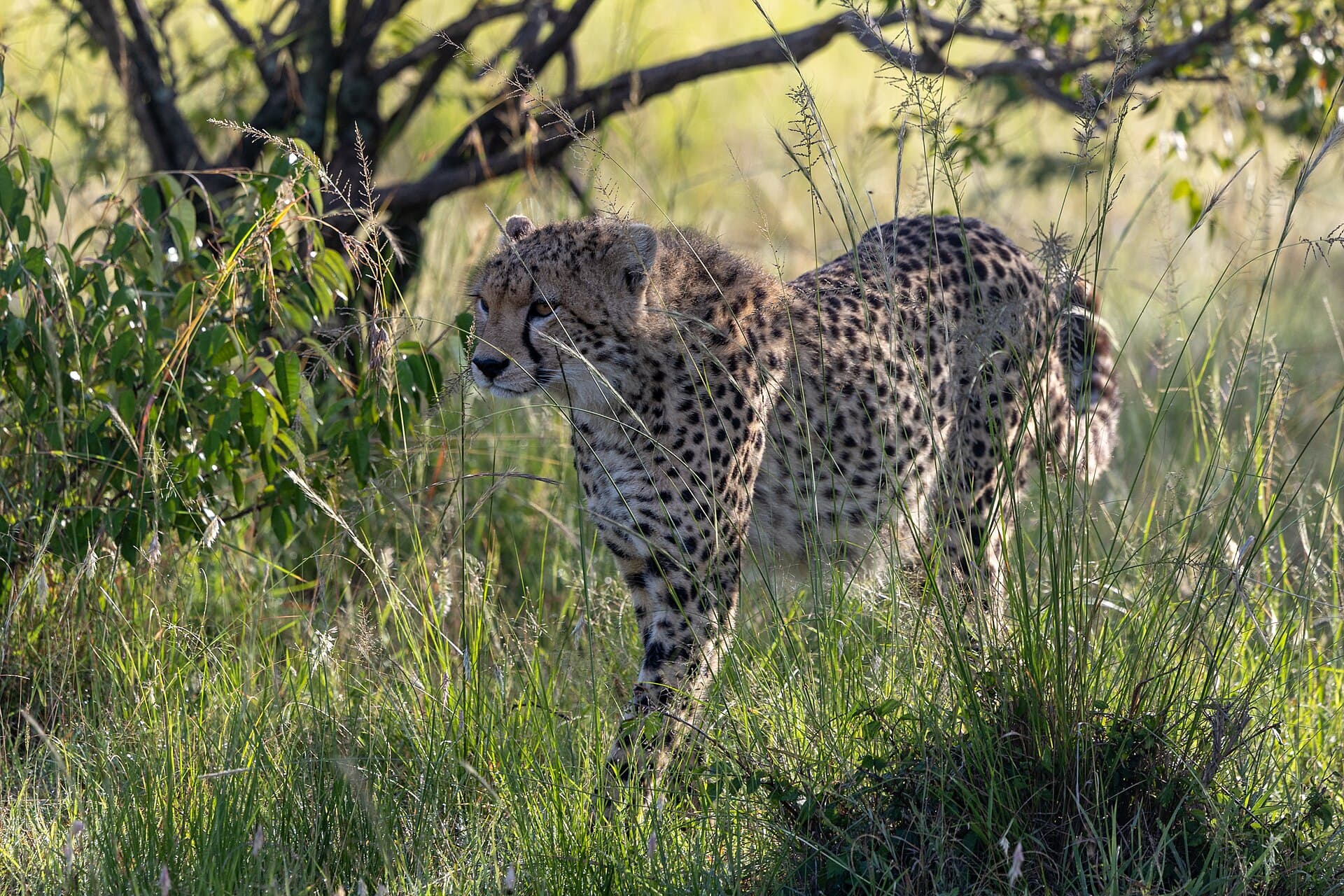
- Maasai Mara for the migration and big cats
- Amboseli for elephants with Kilimanjaro behind
- Nairobi National Park and the Giraffe Centre
- Diani Beach, and Lamu and Manda islands on the coast (check current travel advice for the rest of Lamu County)
- Mount Kenya and Hell's Gate for hiking
Airports
Jomo Kenyatta International (NBO) is the main hub, with Mombasa's Moi International (MBA) for the coast. Many safari flights depart from Nairobi's Wilson Airport instead, so check which airport your onward flight uses.
Local customs
Greet people with a handshake and a few words of Swahili, such as jambo or asante. Dress modestly in towns and mosques, ask before photographing people, and do not photograph official buildings, embassies or airports. Bargaining is normal in markets.
Emergency numbers
Police, fire and ambulance: 999. Calls to 112 also work from mobile phones.