
Overview
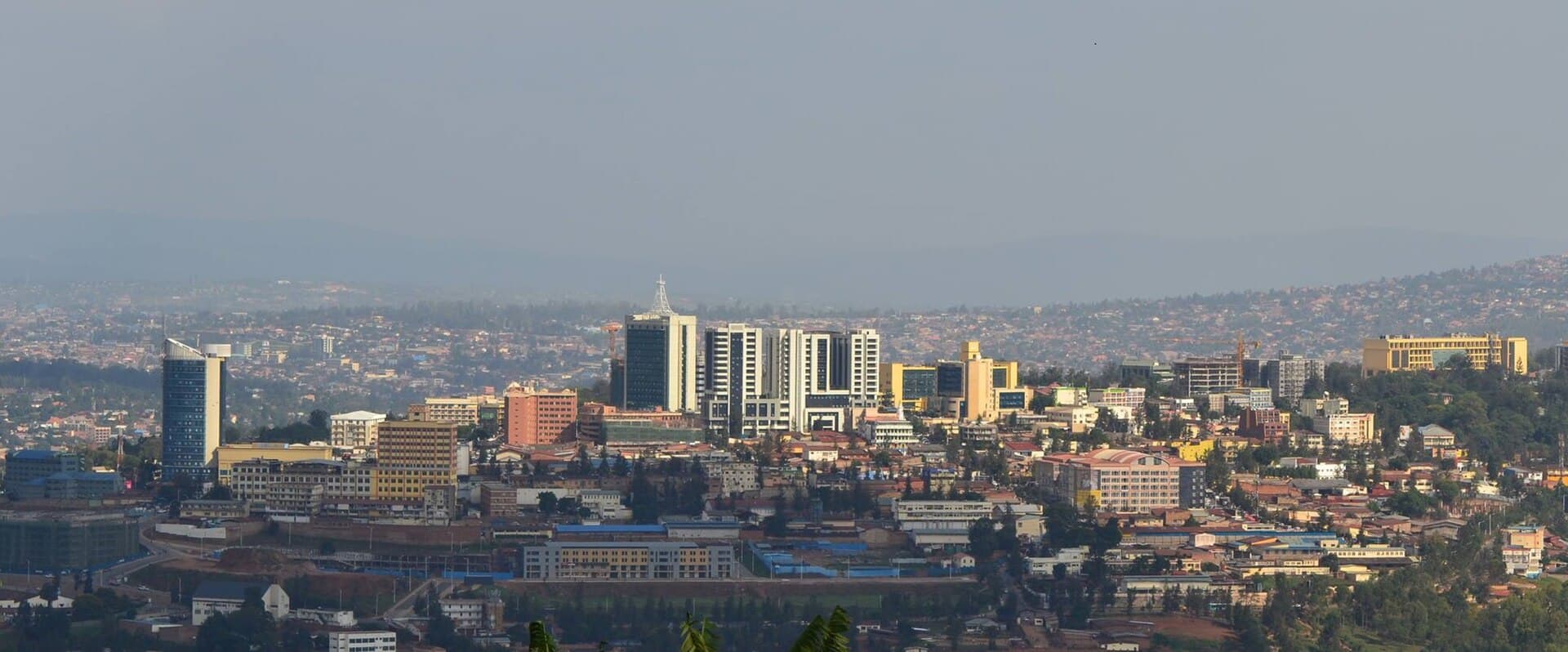
Rwanda is compact, clean and well organised: Kigali's cafes and memorials, mountain gorilla trekking in Volcanoes National Park, chimpanzees in Nyungwe, and savannah safaris in Akagera. It is one of Africa's easiest countries for first-time visitors, though gorilla permits are limited and need early booking.
Plan around the trek permit date, then build the rest of the trip around it.
Entry requirements
UK government guidance says passports must be valid for at least six months after arrival and carry at least one blank page. British citizens need a visa but, as Commonwealth citizens, can get a free 30-day visa on arrival, or apply through the Rwandan High Commission in London. Rwanda's immigration service says citizens of African Union, Commonwealth and Francophonie countries, which includes South Africa, Zimbabwe, Nigeria and Zambia, can get a free 30-day visa on arrival. Kenyans, as East African Community citizens, can stay up to six months, and Ghanaians can visit visa-free for up to 90 days. Other nationalities can get a paid visa on arrival or apply online through Irembo, so check the official portal before you book.
Yellow fever proof is needed if you arrive from a risk country. Rwanda enforces strict customs rules: drones must be declared on arrival and can be confiscated or held until you leave. Plastic bags, vapes and e-cigarettes are banned.
If you are also visiting Uganda or Kenya, see our Uganda brief and Kenya brief for the regional visa options.
Best time to visit
June to August is the main dry season and best for trekking. December to February is a shorter dry spell. The rains run roughly March to May and September to December, bringing mud, flooding and landslide risk, though gorilla trekking continues year round.
Money
The currency is the Rwandan franc (RWF). Cards are accepted at hotels and larger restaurants in Kigali, and mobile money is widely used locally. Carry francs for taxis, markets and tips, and use ATMs in towns. Foreign cash is easiest to change in Kigali.
For everyday spending, compare the best ways to pay while travelling and always choose the local currency when a terminal offers to convert (why).
Mobile data and eSIMs
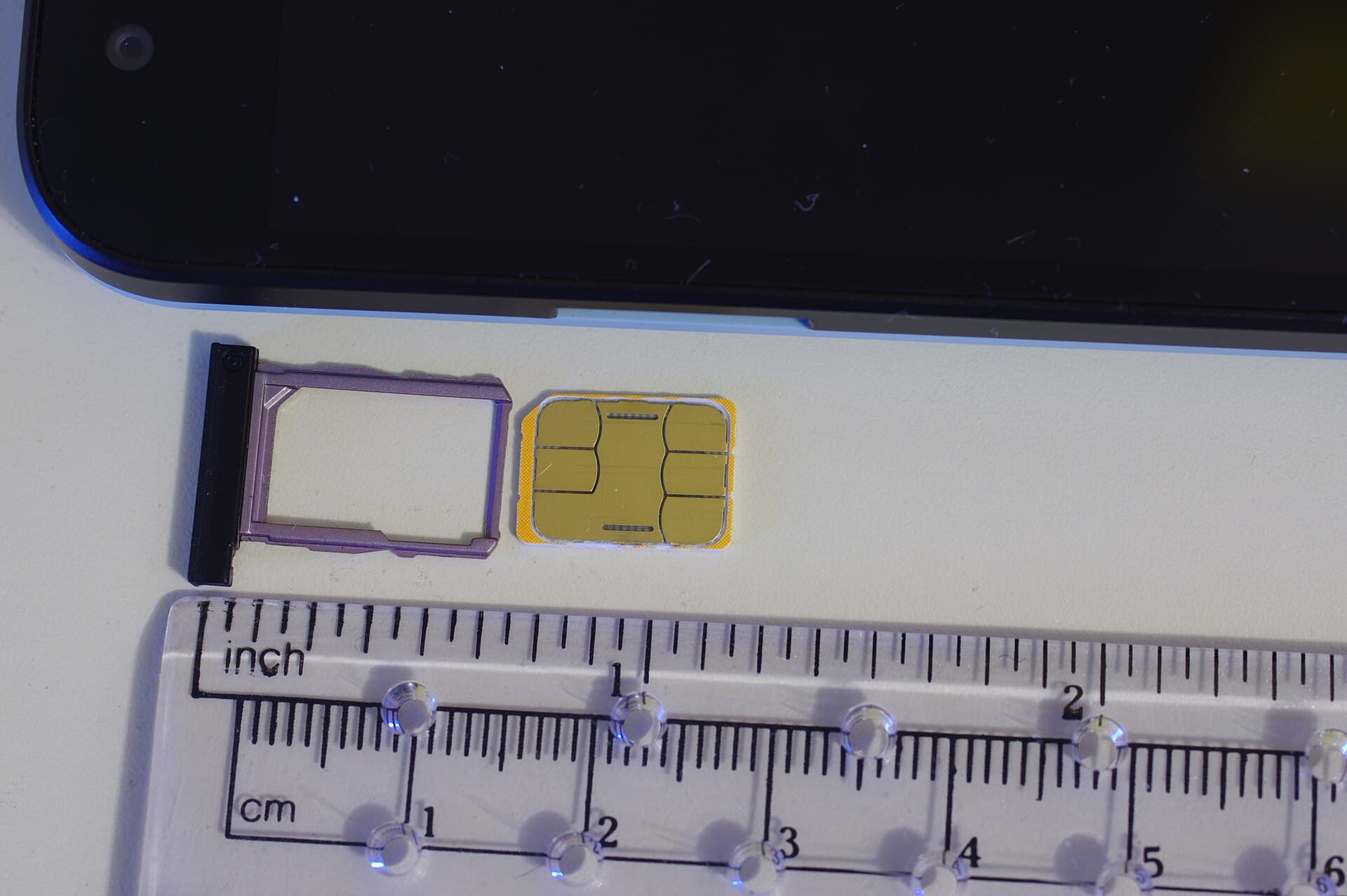
Coverage is strong in Kigali and along main roads, with 4G in many areas, and patchier in the mountains and forest parks. A local SIM is easy to buy with a passport, and travel eSIMs also work. Use our eSIM Finder to estimate how much data you need.
Getting around
Rwanda drives on the right. UK government guidance says roads to major towns are good, but rural roads can be poorly lit and in poor condition, and shared taxis and motorbike taxis are accident-prone. A 1949 International Driving Permit is advised along with your own licence. Most visitors use private drivers or tours for the parks, and taxi apps in Kigali.
Safety and health
Crime levels are relatively low, but burglary, theft, bag-snatching and mugging occur in Kigali. Avoid walking alone at night, pre-arrange transport, and keep valuables out of sight in parked cars. Do not enter military zones: unauthorised entry risks arrest. Seek medical care quickly if you feel unwell after drinking, as methanol poisoning has been reported.
Take medical advice on malaria and vaccinations, and check altitude and fitness requirements for trekking.
Things to do
- Mountain gorilla trekking in Volcanoes National Park
- Chimpanzee tracking in Nyungwe Forest
- Kigali Genocide Memorial and city cafes
- Akagera National Park game drives
- Lake Kivu beaches and boat trips
Airports
Kigali International (KGL) is the main gateway, with direct links across Africa and to Europe and the Gulf. Land crossings from Uganda and Tanzania are also used.
Local customs
Rwanda has a monthly community clean-up day (Umuganda) that can close shops and roads on the last Saturday morning, so check before planning transfers. Be respectful at memorials and ask before photographing people. Tipping is appreciated.
Emergency numbers
General emergency and police: 112. Ambulance (SAMU): 912, or call 112 and ask for an ambulance.