
Overview
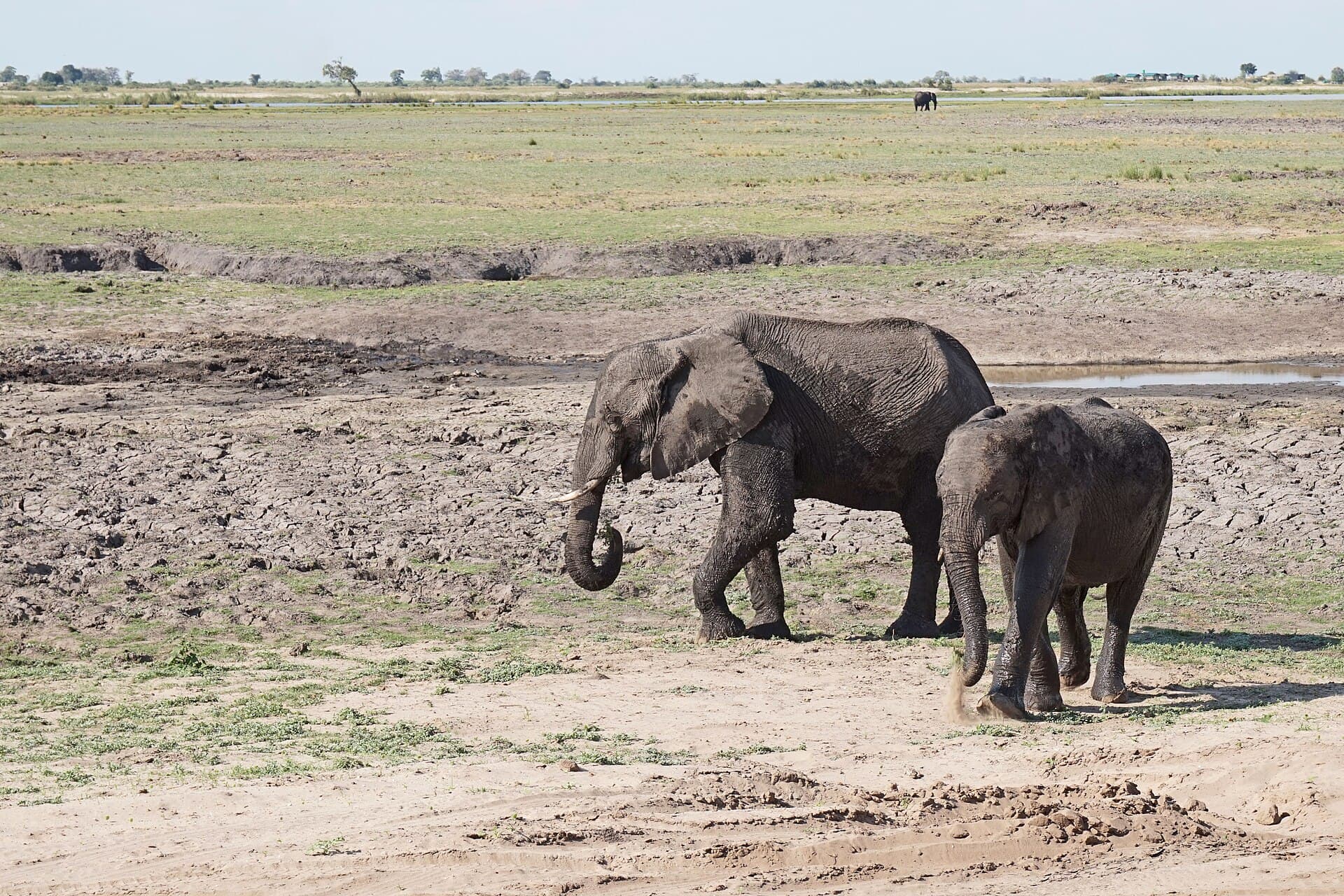
Botswana is Africa's classic low-volume safari destination: the Okavango Delta, Chobe's elephants, the Makgadikgadi salt pans and the Kalahari. It is stable, sparsely populated and expensive at the lodge end, though self-drive and camping routes cut costs for travellers coming up from South Africa.
Planning turns on three things: the season (water levels shape what you can do), long distances between parks, and wildlife on the roads. Book camps and park permits early for the dry season.
Entry requirements
UK government guidance says passports must be valid for at least six months after arrival and carry at least three blank pages, and that British citizens can stay up to 90 days without a visa. Rules differ by nationality, so South African, Zimbabwean and other travellers should check their own position with the Botswana High Commission or the immigration department.
Proof of yellow fever vaccination is needed if you arrive from a country with transmission risk. If you travel with children, carry an original or certified birth certificate for each child, and a notarised consent letter from any parent who is not travelling. Cash of 10,000 pula or more must be declared.
If you are combining Victoria Falls, Chobe and Zambia, see our Zambia brief and Zimbabwe brief for the regional UniVisa position.
Best time to visit
May to October is the dry season: animals gather at rivers and waterholes, days are clear and nights are cold. The Okavango floods peak in the dry months as water arrives from Angola. November to March is the green season, with rain, fewer visitors and lower prices, but flooding can close roads and border crossings at short notice.
Money
The currency is the Botswana pula (BWP). Cards are accepted in Gaborone, Maun and at larger lodges; carry cash for fuel stops, park gates and small purchases in remote areas. ATMs are common in towns and scarce in the bush. Rands are widely understood near the South African border, but pay in pula where you can.
For everyday spending, compare the best ways to pay while travelling and always choose the local currency when a terminal offers to convert (why).
Mobile data and eSIMs
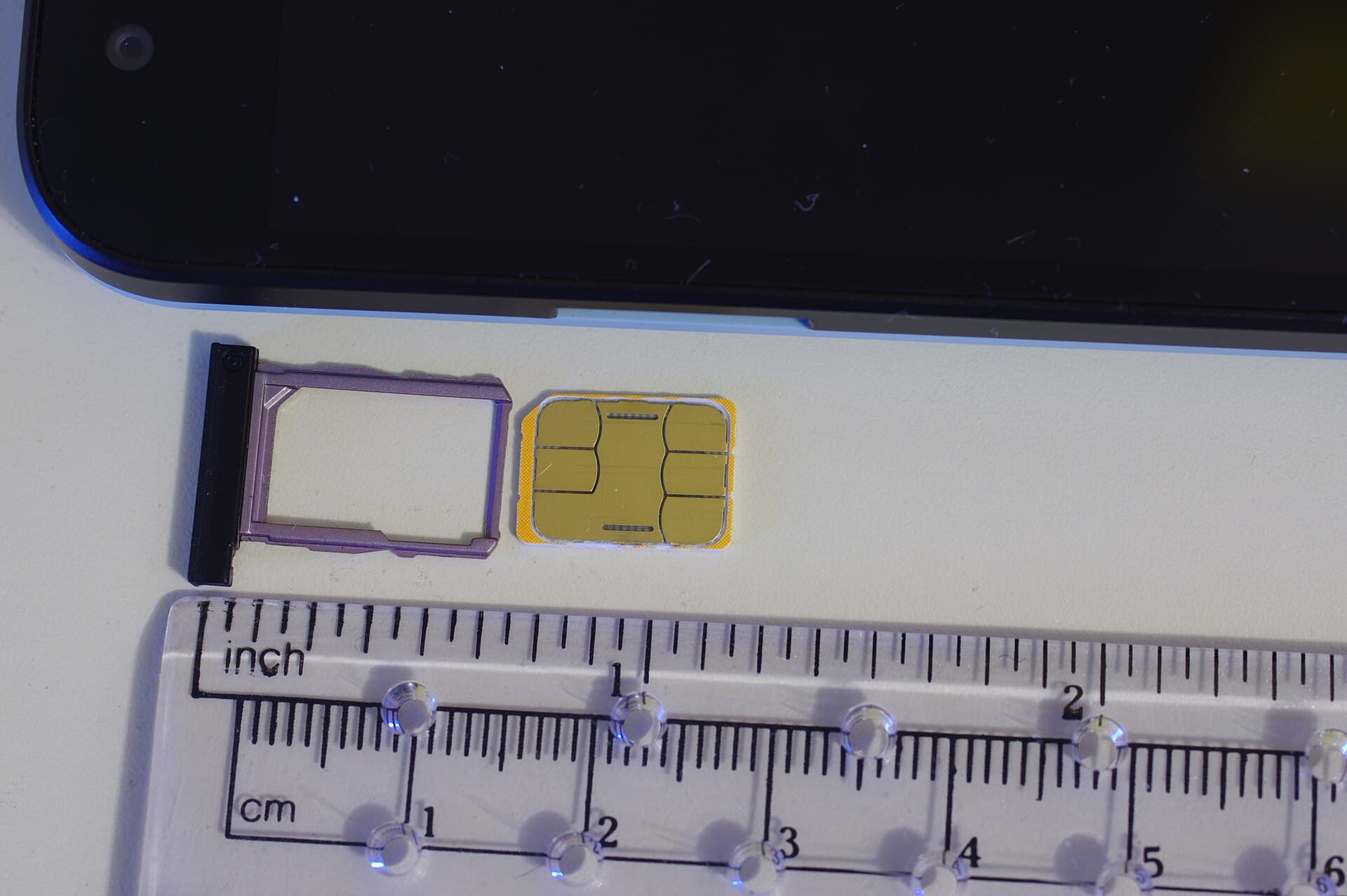
Coverage is good in Gaborone, Francistown, Maun and Kasane, and patchy or absent in the Delta, the Central Kalahari and most parks. Download offline maps before you leave a town. Use our eSIM Finder to estimate how much data you need.
Getting around
Botswana drives on the left. Roads in and between main towns are generally good, but outside them stray livestock and wildlife make night driving dangerous. UK government guidance says driving standards are lower than the UK and that speeding and drink-driving cause frequent fatal accidents. A 4x4 is needed for most park tracks. Internal flights link Maun, Kasane and the camps; use licensed taxis in towns.
Safety and health
Do not swim or bathe in rivers and lakes: wild animals can attack, and water-borne disease is a risk. Violent crime, including vehicle smash-and-grabs, is reported in Gaborone, Francistown and Maun, so lock car doors, keep valuables out of sight and do not pick up hitchhikers. Armed house burglaries are reported, so use hotel safes. Drug offences carry heavy penalties, and photographing military or government sites is illegal.
Malaria risk is higher in the north and in the wetter months, so take medical advice before travel. Buy travel insurance that covers evacuation from remote camps.
Things to do
- Mokoro and walking safaris in the Okavango Delta
- A river cruise and game drives at Chobe, near Kasane
- Makgadikgadi Pans and the Nxai Pan baobabs
- Moremi Game Reserve and the Savuti channel
- Central Kalahari Game Reserve for self-drive travellers
Airports
Maun (MUB) is the gateway to the Delta, and Kasane (BBK) serves Chobe and Victoria Falls day trips. Gaborone (GBE) has regional links, mainly to Johannesburg. Many visitors arrive by road from South Africa, Namibia or Zimbabwe.
Local customs
Greet people before asking for anything, and ask before photographing individuals. Dress modestly in towns. Tipping guides, camp staff and drivers is normal at safari camps. Follow park rules strictly: stay in your vehicle where required and never approach animals.
Emergency numbers
Police: 999. Ambulance: 997. Fire: 998. Confirm numbers locally on arrival, as response in remote areas can be slow.