
Overview
Zambia offers some of Africa's best walking safaris in South Luangwa and Lower Zambezi, plus the Zambian side of Victoria Falls at Livingstone. It is a good value alternative to the more crowded safari circuits, with friendly people and long distances between highlights.
Most visitors fly into Livingstone or Lusaka, then use small aircraft or long road transfers to reach parks. Allow generous time between legs.
Entry requirements
UK government guidance says passports must be valid for at least six months after arrival and carry at least two blank pages. British passport holders do not need a visa and can stay up to 90 days in any 12 months, but must show a valid return or onward ticket and enough money for the stay.
Other nationalities have different rules, so South African, Zimbabwean and other travellers should check their own position with Zambian immigration. The KAZA UniVisa (USD 50, valid 30 days) can cover both Zambia and Zimbabwe with day trips to Botswana, per UK guidance. Yellow fever proof is needed if you arrive from a risk country. Departure tax is usually included in your air ticket; if it is not, it is payable at the airport.
Compare with our Zimbabwe brief if you plan to see Victoria Falls from both sides.
Best time to visit
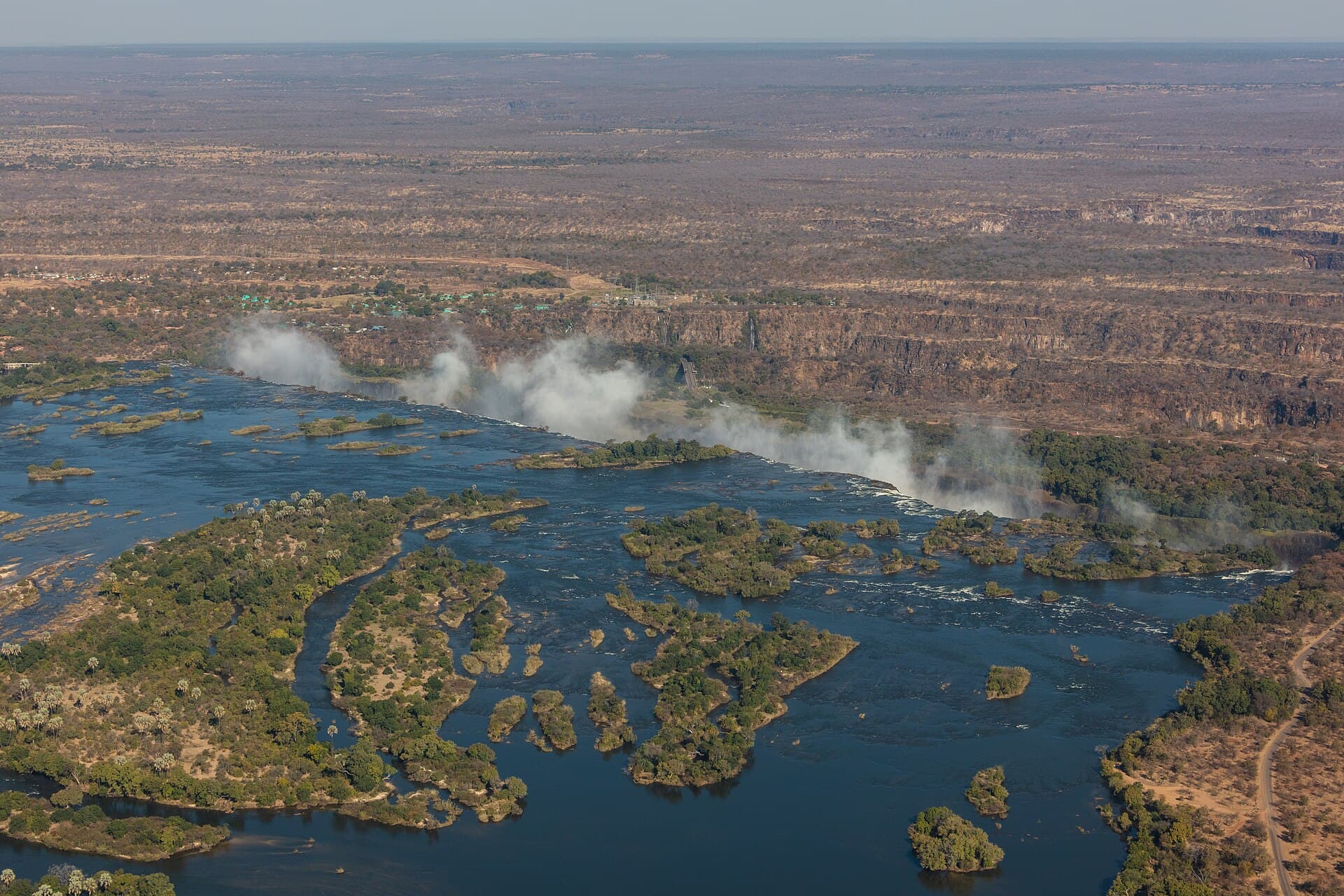
May to October is dry, with excellent game viewing as animals concentrate near water, and cool mornings. November to April is the green season: lush scenery, though some camps close and roads deteriorate. Victoria Falls is fullest around March and April and lowest from about mid-August to mid-January, which is also when Devil's Pool is usually open.
Money
The currency is the Zambian kwacha (ZMW). Cards are accepted at larger hotels and lodges in Lusaka and Livingstone, but cash is needed for markets, taxis, fuel and park fees in the bush. ATMs are common in towns. Many tourist services quote in US dollars; check which currency you will be charged in.
For everyday spending, compare the best ways to pay while travelling and always choose the local currency when a terminal offers to convert (why).
Mobile data and eSIMs
Coverage is reasonable in Lusaka, Livingstone and the Copperbelt, and limited in the national parks and remote north. Download offline maps before leaving town. Use our eSIM Finder to estimate how much data you need.
Getting around
Zambia drives on the left. UK government guidance warns that roads are severely potholed, worse from November to April, that vehicles are often badly maintained, and that fatal crashes are frequent. Do not drive after dark outside main towns. Domestic flights and organised transfers are the practical choice for reaching parks. Use hotel-arranged transport in cities.
Safety and health
Zambia is generally safe in cities and game parks in daylight. Avoid walking at night, and keep valuables and originals of important documents secure. Wild animals, including venomous snakes, are unpredictable and can kill, so follow your guide's instructions. Adventure activities around Livingstone carry real risks: use reputable operators and make sure insurance covers them. Avoid demonstrations in Lusaka and other cities, which can turn violent.
Drugs are illegal, photographing government or military sites is forbidden, and same-sex activity is illegal. Take medical advice on malaria before you travel.
Things to do
- Victoria Falls, the Knife-Edge Bridge and Devil's Pool (in season) from Livingstone
- Walking safaris in South Luangwa
- Canoe safaris on the Lower Zambezi
- Lake Kariba and Lake Tanganyika shorelines
- Kafue National Park
Airports
Livingstone (LVI) is the gateway to Victoria Falls, and Lusaka (LUN) is the main hub with regional links including Johannesburg. Ndola (NLA) serves the Copperbelt.
Local customs
Greet people with a handshake and ask before taking photographs. Dress modestly in towns and villages. Tipping guides, drivers and camp staff is normal.
Emergency numbers
Police, ambulance and fire: 999. You can also call police on 991 and ambulance on 992. Response outside cities can be slow, so tell your lodge or guide your plans.