
Overview
Zimbabwe is a safari and waterfalls destination with a reputation for warm hospitality and good guiding. Victoria Falls is the headline, but Hwange National Park, Lake Kariba, Matobo Hills and the Eastern Highlands reward a longer trip. For travellers based in South Africa, it is a short regional flight or a long, scenic road trip.
Three things shape planning: a visa system that varies by passport, an economy where US dollars circulate alongside the local ZiG, and long distances between sights. Build in buffer time and carry small notes.
Entry requirements
Many nationalities need a visa; some regional passport holders are exempt. Zimbabwe runs an official e-visa portal, and some visitors can get a visa on arrival. The right route depends on your passport, so check the portal before you book flights.
If you are combining Zimbabwe with Zambia, look at the KAZA UniVisa. It covers both countries for up to 30 days, plus day trips into Botswana, and is sold at the main airports and some land borders. Availability can change, so check the e-visa portal before you travel. Your passport needs at least six months' validity and three blank pages, and if you are paying a visa fee on arrival, carry small US dollar notes. For South African passport holders going the other way, see our Zimbabwe to South Africa brief.
A yellow fever certificate is required if you are over nine months old and arrive from a country with yellow fever risk, or have spent more than 12 hours in transit at an airport in one. Check before you fly if your route passes through East or West Africa.
Best time to visit
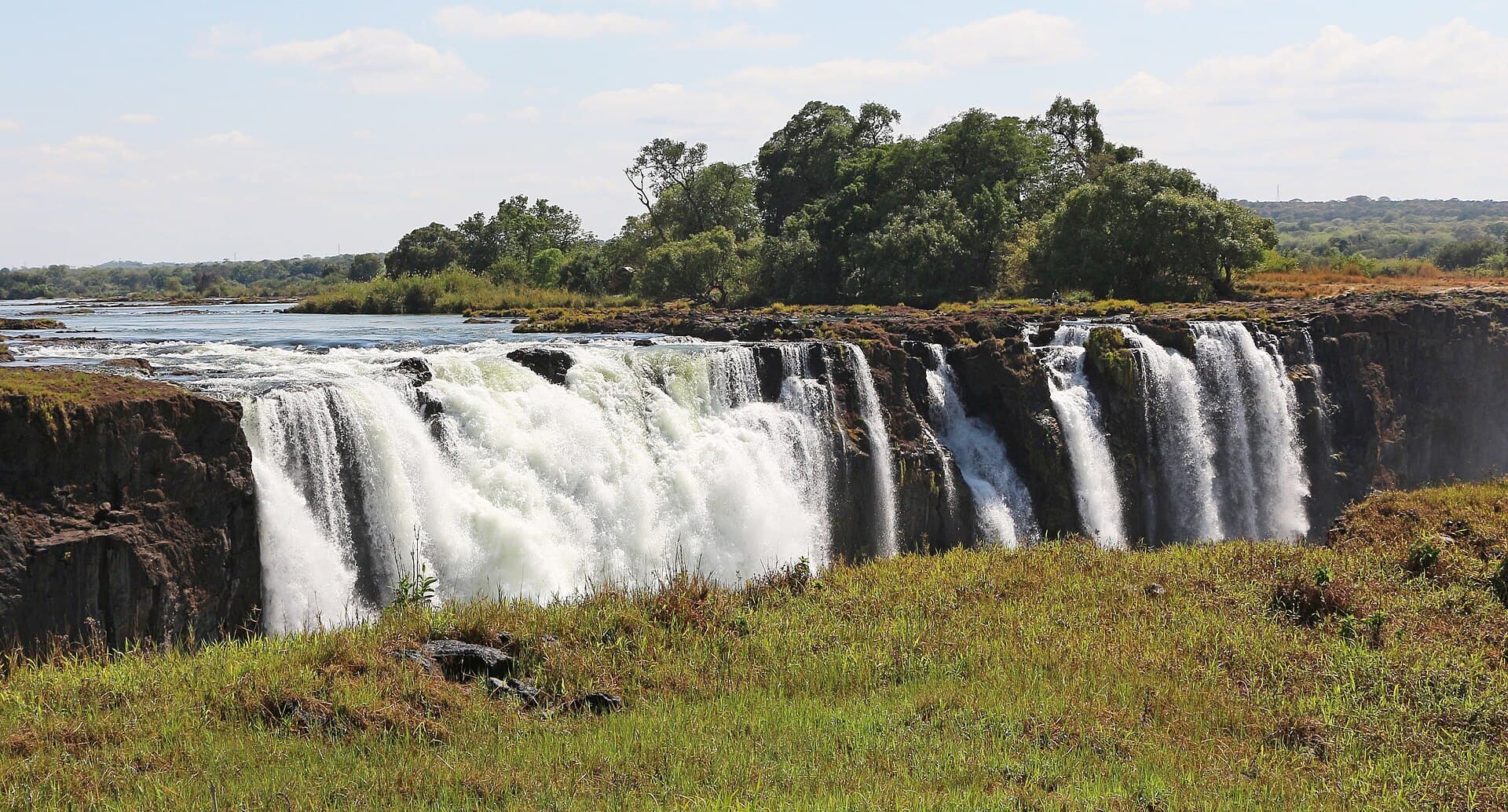
The dry season, roughly May to October, is the best time for game viewing because animals gather at waterholes. The falls are at their fullest from about February to May, when spray can hide the view. Flow is lowest around October and November, when parts of the Zambian side can run dry. Mornings can be cold in the dry season, so pack layers.
Money
The local currency is the Zimbabwe Gold (ZiG), but US dollars are widely used for hotels, activities, park fees and many shops. Card acceptance is patchy outside lodges, hotels and larger supermarkets, and ATMs can run short of cash. Carry small, undamaged US dollar notes for tips and small purchases, and keep some cash for rural areas. Get change in US dollars where possible rather than accepting a pile of local notes you cannot easily spend.
For everyday spending, compare the best ways to pay while travelling and always choose the local currency when a terminal offers to convert (why).
Mobile data and eSIMs
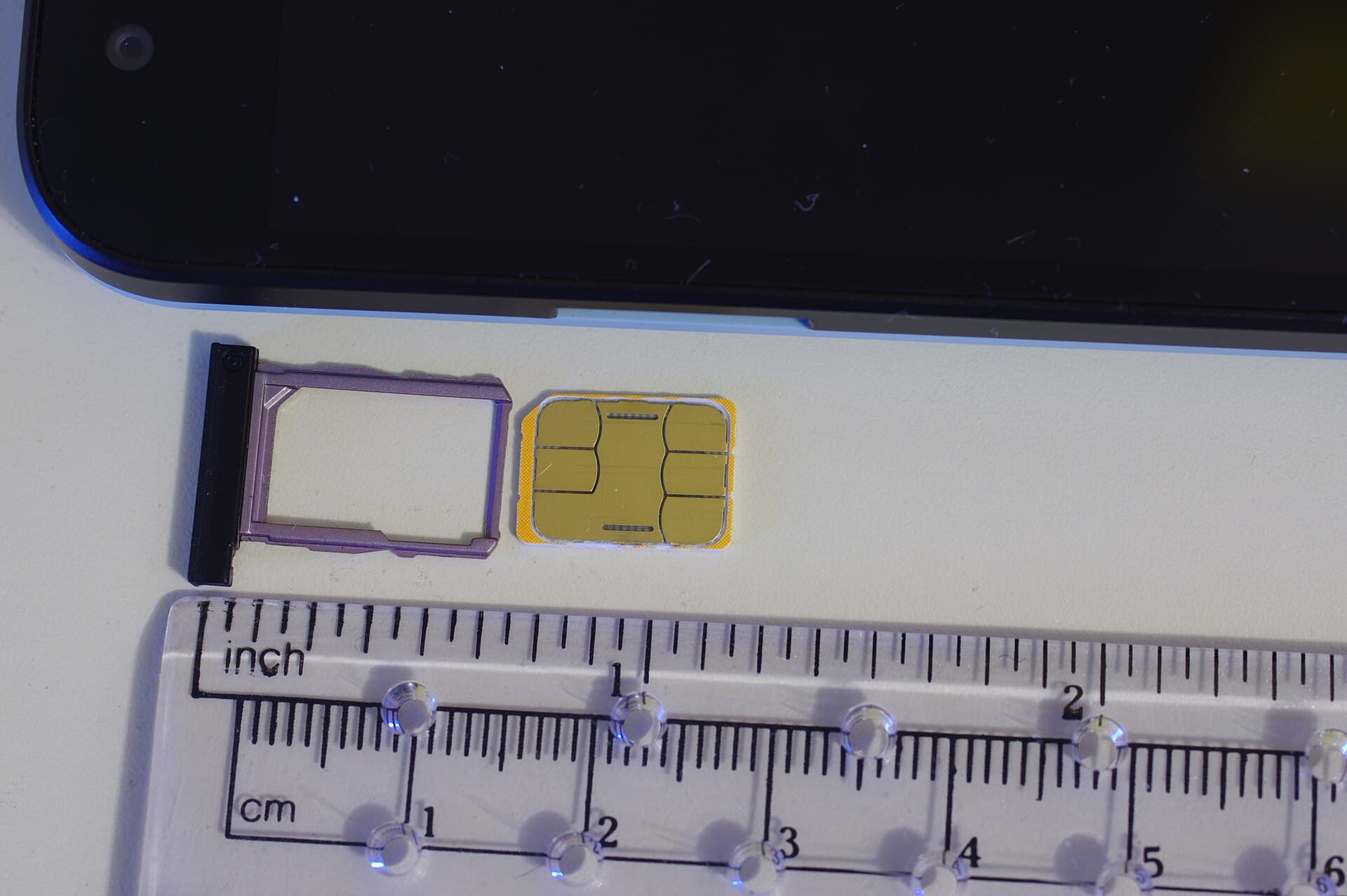
Local SIM cards are available from the main operators in city shops, and you will need your passport to register. Coverage is good in towns and tourist areas and weak in parks and remote areas. If you want to be online on arrival, install a travel eSIM before you fly.
A travel eSIM avoids hunting for a SIM shop after a long flight. Use our eSIM Finder to estimate how much data you need.
Getting around
Distances are large and roads outside towns can be rough. Domestic flights link Harare, Victoria Falls and Bulawayo. Between towns, intercity coaches and shuttles exist, and many visitors hire a driver or join a safari transfer. Zimbabwe drives on the left. Avoid driving at night because of unlit roads, animals and pedestrians.
Safety and health
Take sensible urban precautions, keep valuables out of sight and use hotel-arranged transport after dark. Photographing government buildings, police and military sites can cause problems. Malaria is present in parts of the country, so speak to a travel clinic about prophylaxis. Check the latest official advice before you travel.
Things to do
- Victoria Falls and the Zambezi gorge, from rafting to the Devil's Pool on the Zambian side
- Hwange National Park for elephants and big game
- Lake Kariba houseboats and sunsets
- Matobo Hills for granite scenery and rhino tracking
- Great Zimbabwe ruins near Masvingo
Airports
Harare (HRE) is the main gateway, while Victoria Falls (VFA) takes many tourist flights and regional connections. Bulawayo (BUQ) serves the south-west. Check visa and health document requirements before you check in, since airlines may ask for them.
Local customs
Greet people before asking questions, and dress modestly away from the resorts. Tipping guides, drivers and camp staff is customary on safari. Ask permission before photographing people.
Emergency numbers
From a mobile, dial 112 (Econet) or 114 (NetOne) for police, fire or ambulance. From a Harare landline, police is 995 and ambulance is 994. For anything serious, contact your accommodation and your embassy as well.