
Overview
The United States is a continent-sized destination: New York, Washington and Boston in the north-east, Miami and Orlando in the south-east, the Grand Canyon and Las Vegas in the south-west, California's coast, and national parks from Yellowstone to Yosemite. Distances are huge, so choose a region or two rather than trying to cover everything.
The practical shocks for visitors are the price of healthcare, tipping, and prices that exclude tax. With those sorted, travel is easy, and domestic flights and car hire make long routes possible.
Entry requirements
Entry depends on your passport. Citizens of Visa Waiver Program countries can travel for short stays with an approved ESTA, which requires an electronic passport. Apply only through the official government site, and do it well before departure. The ESTA fee is USD 40.27, rising to USD 40.62 from 16 October 2026, and an approved ESTA is usually valid for up to two years. Everyone else, including South African, Kenyan and Ghanaian passport holders, must apply for a visa, usually a B-1/B-2 visitor visa. That means a fee, a form and, for almost all applicants, an in-person interview in your country of nationality or residence. Book early, as wait times can be long.
Nigerian, Zambian and Zimbabwean passport holders: since 1 January 2026, new B-1/B-2 visitor visas have been largely suspended for these nationalities, with limited exceptions. These countries are also on the US visa bond list, which can mean a bond of USD 10,000 to 20,000 if a visa is issued. Check the State Department's current position before you plan anything.
The border officer decides whether to admit you and for how long. Keep your accommodation details and return ticket handy, and be aware that rules and fees change.
Best time to visit
Spring and autumn are comfortable for most cities. Summer is best for northern national parks and coastal beaches but hot in the south and south-west. Winter suits Florida, Arizona and the Caribbean-adjacent south, and ski regions in the Rockies and Northeast. Peak school holiday weeks raise prices in tourist areas.
Money
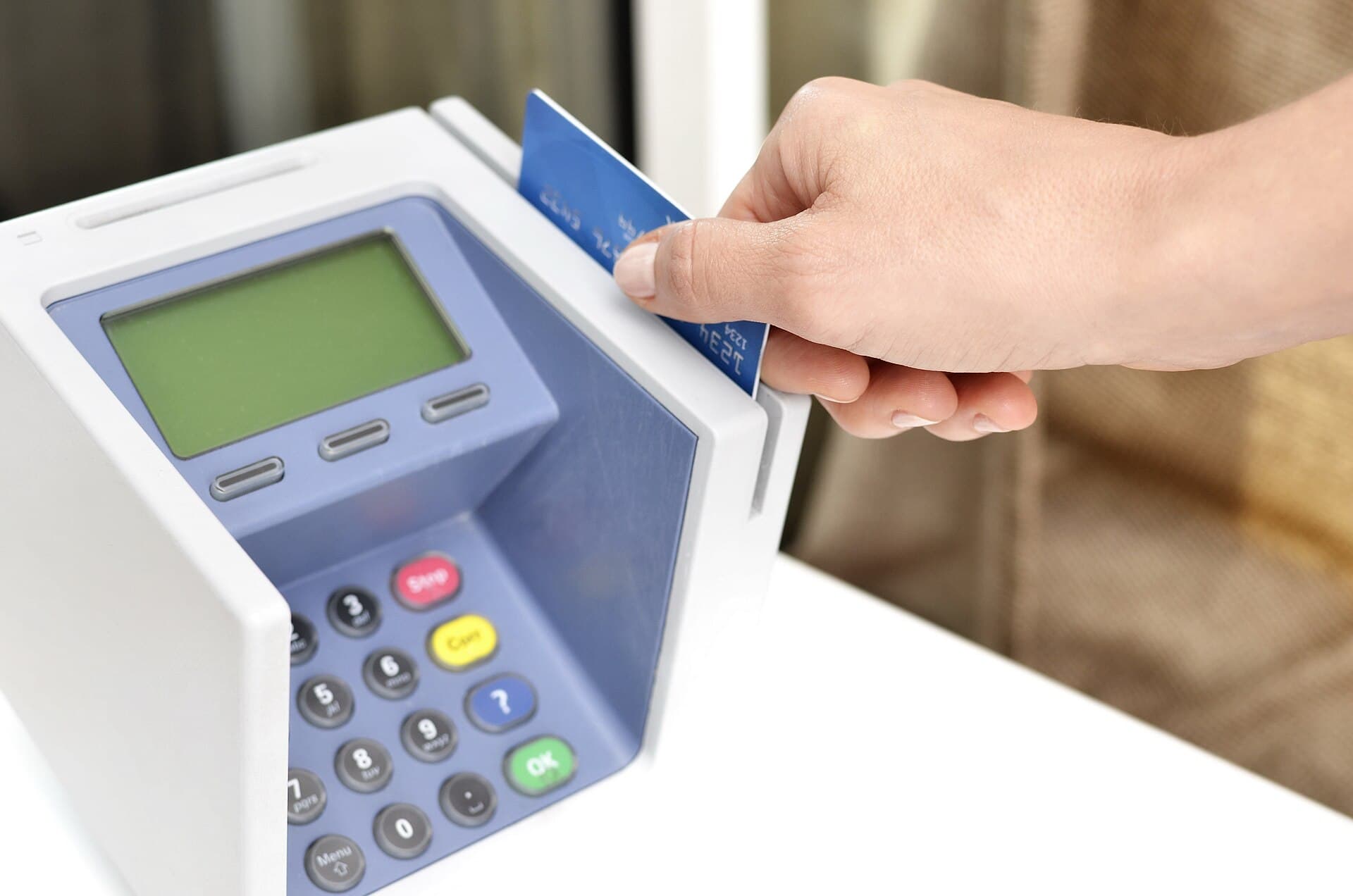
The currency is the US dollar (USD). Cards and contactless payments are accepted almost everywhere, and chip-and-PIN or signature may be required. Prices are usually quoted before sales tax, which varies by state and city, and tipping is expected: roughly 15 to 20 percent at restaurants, plus tips for taxi drivers, hotel staff and bar service. Hotels and car-hire companies often place holds on cards, which reduces your available balance.
For everyday spending, compare the best ways to pay while travelling and always choose the local currency when a terminal offers to convert (why).
Mobile data and eSIMs
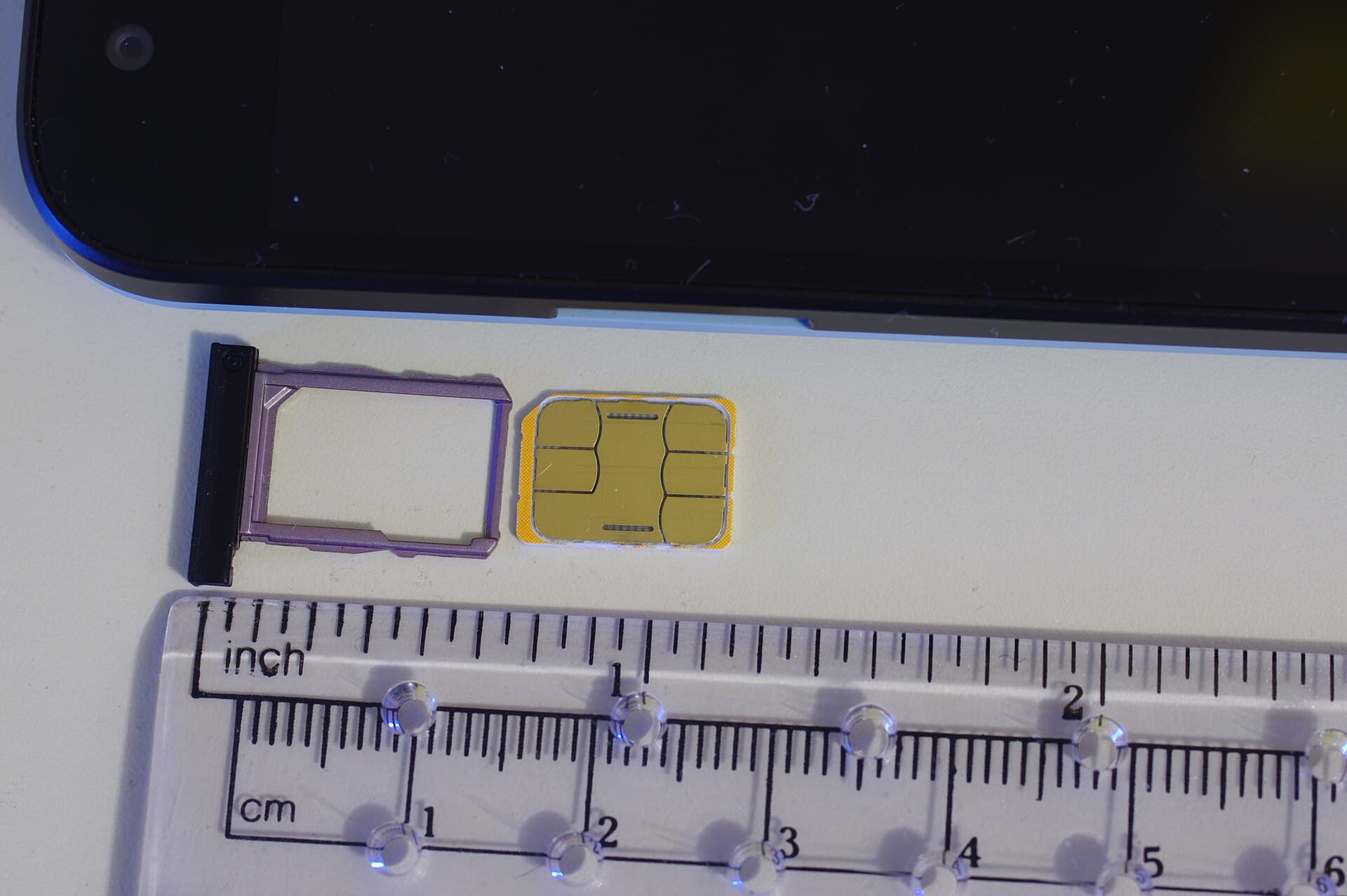
T-Mobile, AT&T and Verizon sell prepaid SIMs, and a travel eSIM avoids paperwork. Coverage is excellent in cities and along highways, and patchy in some national parks and rural areas. See our guide to eSIMs for the USA.
A travel eSIM avoids hunting for a SIM shop after a long flight. Use our eSIM Finder to estimate how much data you need.
Getting around
Domestic flights link major cities, and many routes are covered by low-cost carriers. Amtrak connects the north-east corridor, and some long-distance lines exist, but trains are slower than in Europe. Outside cities, car hire is the norm. The US drives on the right, and speed limits vary by state. Big cities have subways and buses, and ride-hailing apps are available.
Safety and health
Take the usual precautions in big cities and keep valuables out of sight in parked cars. Healthcare is expensive, so travel insurance with medical cover is essential, and you should keep the claims number handy. Some national parks involve wildlife, heat and altitude risks, so follow ranger advice. Check government advice for natural hazards such as hurricanes and wildfires.
Things to do
- New York City: Central Park, museums and Broadway
- Washington, D.C.'s Smithsonian museums and monuments
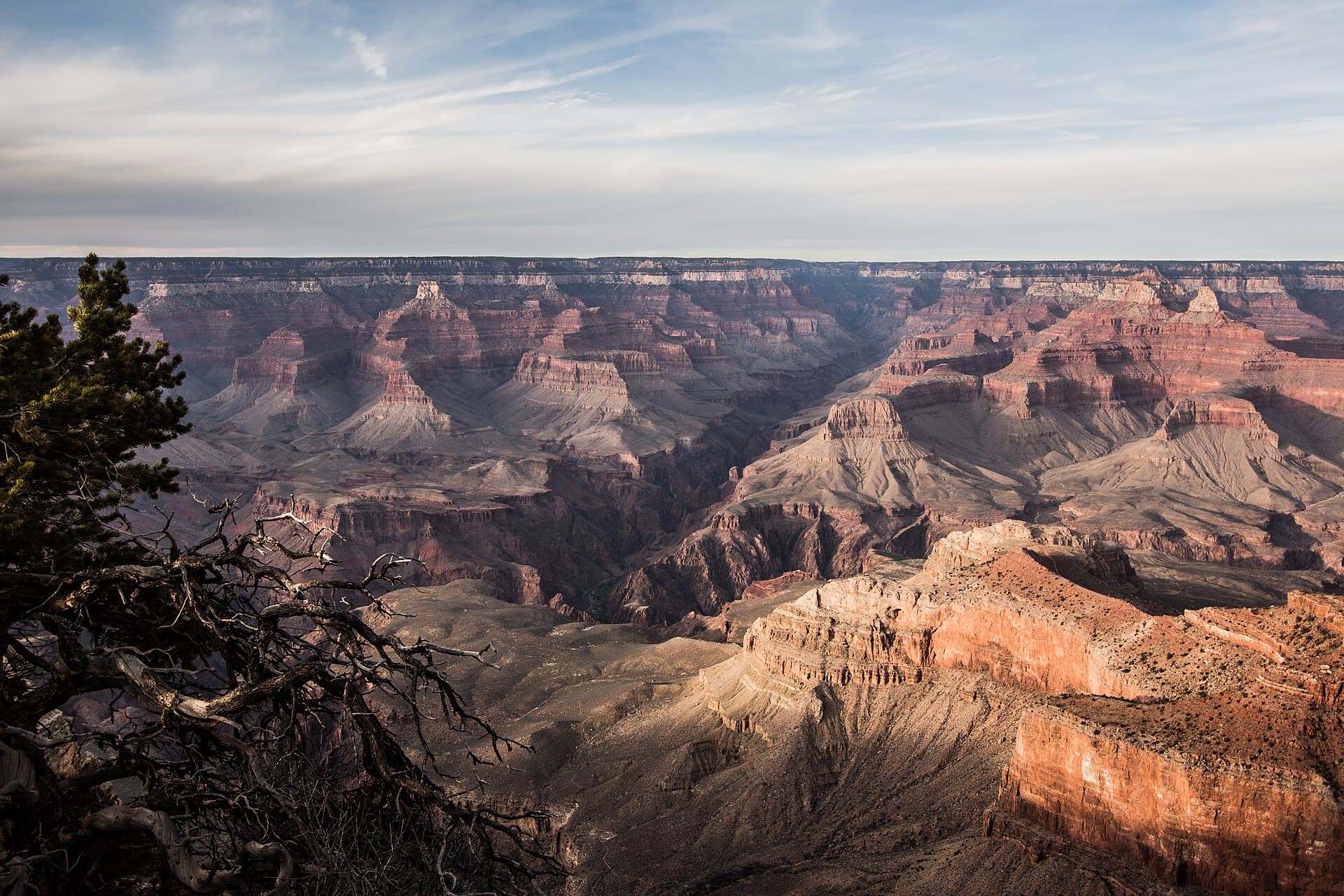
- The Grand Canyon, Zion and Yosemite national parks
- California's Pacific Coast Highway and San Francisco
- Florida's beaches, Miami and the Everglades
Airports
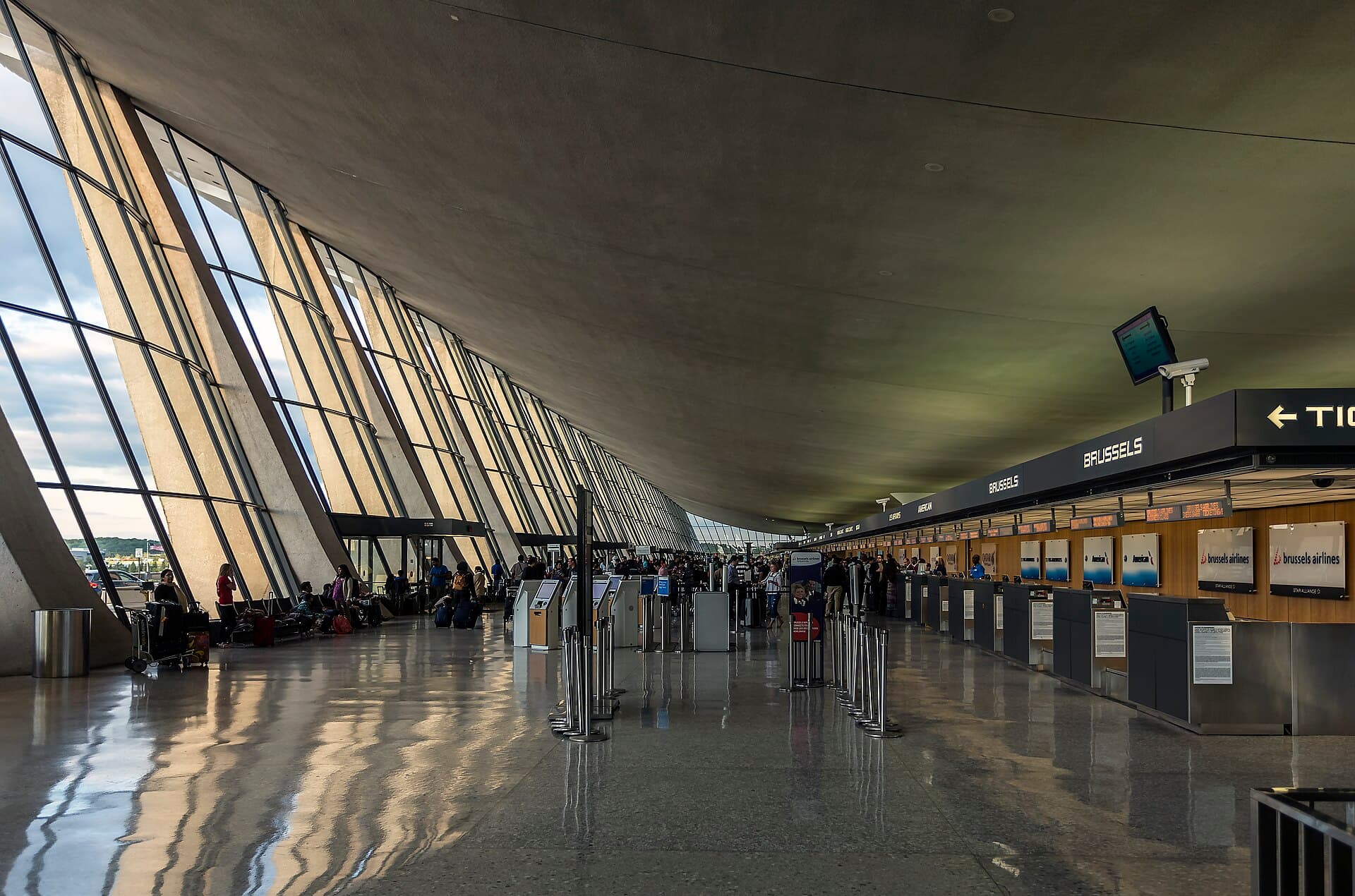
New York JFK, Los Angeles LAX and Miami MIA are among the major gateways. Allow plenty of time for border control and plan connecting flights with enough buffer, since you must clear immigration and customs at your first US airport.
Local customs
Greetings are friendly and informal. Queue politely, and expect tipping at restaurants, bars, taxis and for hotel staff. Smoking and vaping rules vary by state and venue, and alcohol laws are strict about age and open containers in public.
Emergency numbers
Police, fire and ambulance: 911.