
Overview
Türkiye straddles Europe and Asia, with Istanbul as its great city, Cappadocia's rock formations and hot-air balloons, the ancient ruins of Ephesus and the beaches of the Aegean and Mediterranean coasts. It combines big history, strong food and good-value tourism.
Plan around heat in summer, allow time in Istanbul's traffic and be ready for bargaining in bazaars. A little local knowledge about taxis and exchange rates goes a long way.
Entry requirements
Some nationalities can enter visa-free for short stays, some can apply for an e-visa through the official government portal, and others must apply for a visa at a Turkish embassy or consulate. UK and US ordinary passport holders are visa-free for up to 90 days in any 180-day period. South Africans can get a one-month single-entry e-visa. Zimbabwean, Nigerian, Kenyan, Ghanaian and Zambian ordinary passport holders need an embassy visa. Eligibility and permitted stay vary by passport, so check the portal before you book. Some travellers also need to hold a valid visa or residence permit from certain countries to qualify for the e-visa, so read the conditions.
Türkiye is not in the Schengen Area, so Schengen visas do not apply. Only use the official site, and keep a printout of your e-visa.
Best time to visit
April to June and September to November are the best for sightseeing, with warm days and fewer crowds. July and August are hot, particularly on the coast and in the interior, though the Aegean breeze helps. Winter can be cold and snowy in Istanbul and Cappadocia, which makes for quieter visits and good prices.
Money
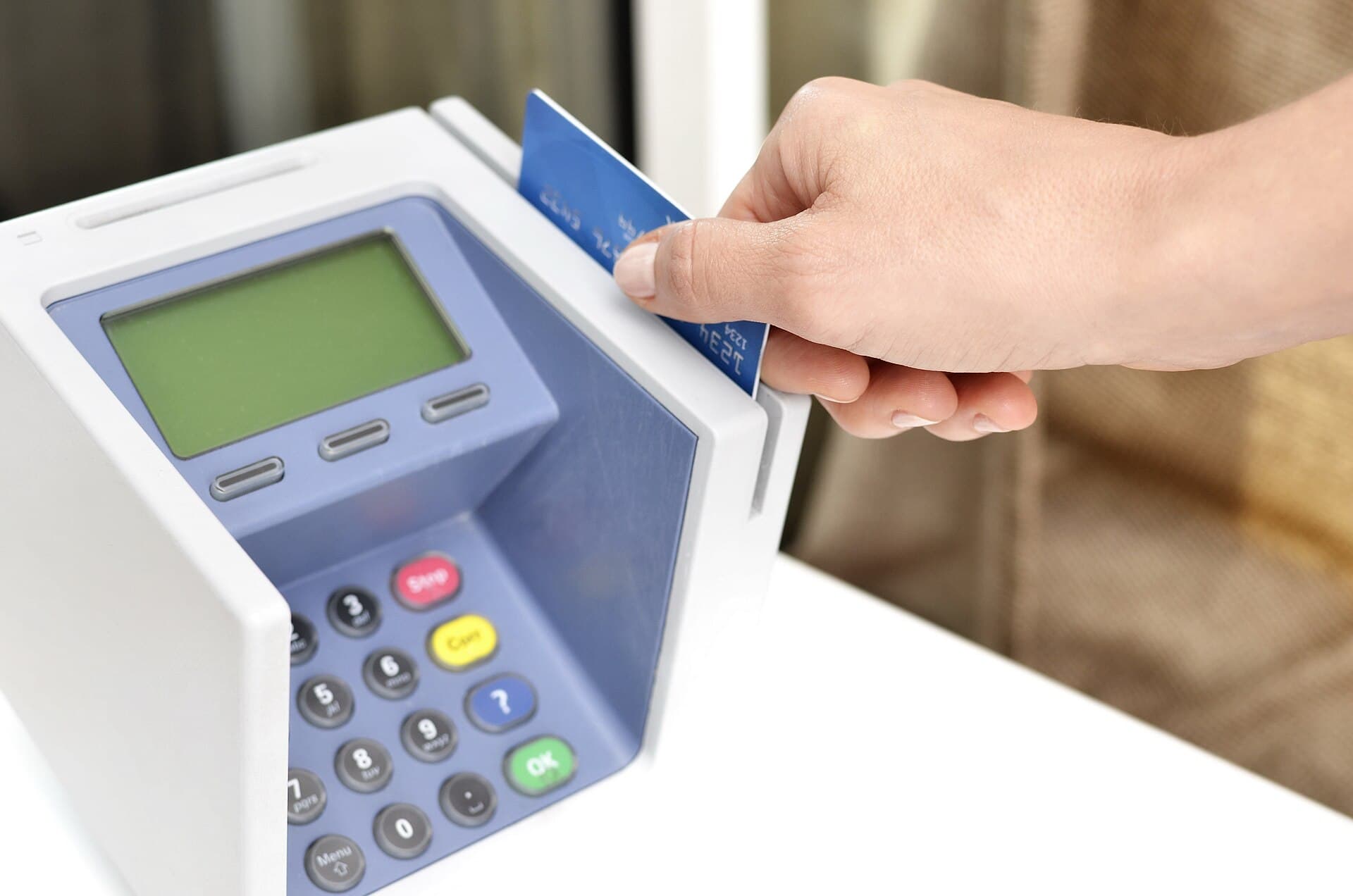
The currency is the Turkish lira (TRY). Inflation has been high in recent years, so prices and exchange rates change quickly. Check a live rate before you exchange cash. Pay in lira, even if a terminal offers to charge you in euros or dollars, and use bank ATMs. Cards work widely in cities and tourist areas. Tipping of around ten percent is customary in restaurants, and bargaining is expected in bazaars.
For everyday spending, compare the best ways to pay while travelling and always choose the local currency when a terminal offers to convert (why).
Mobile data and eSIMs
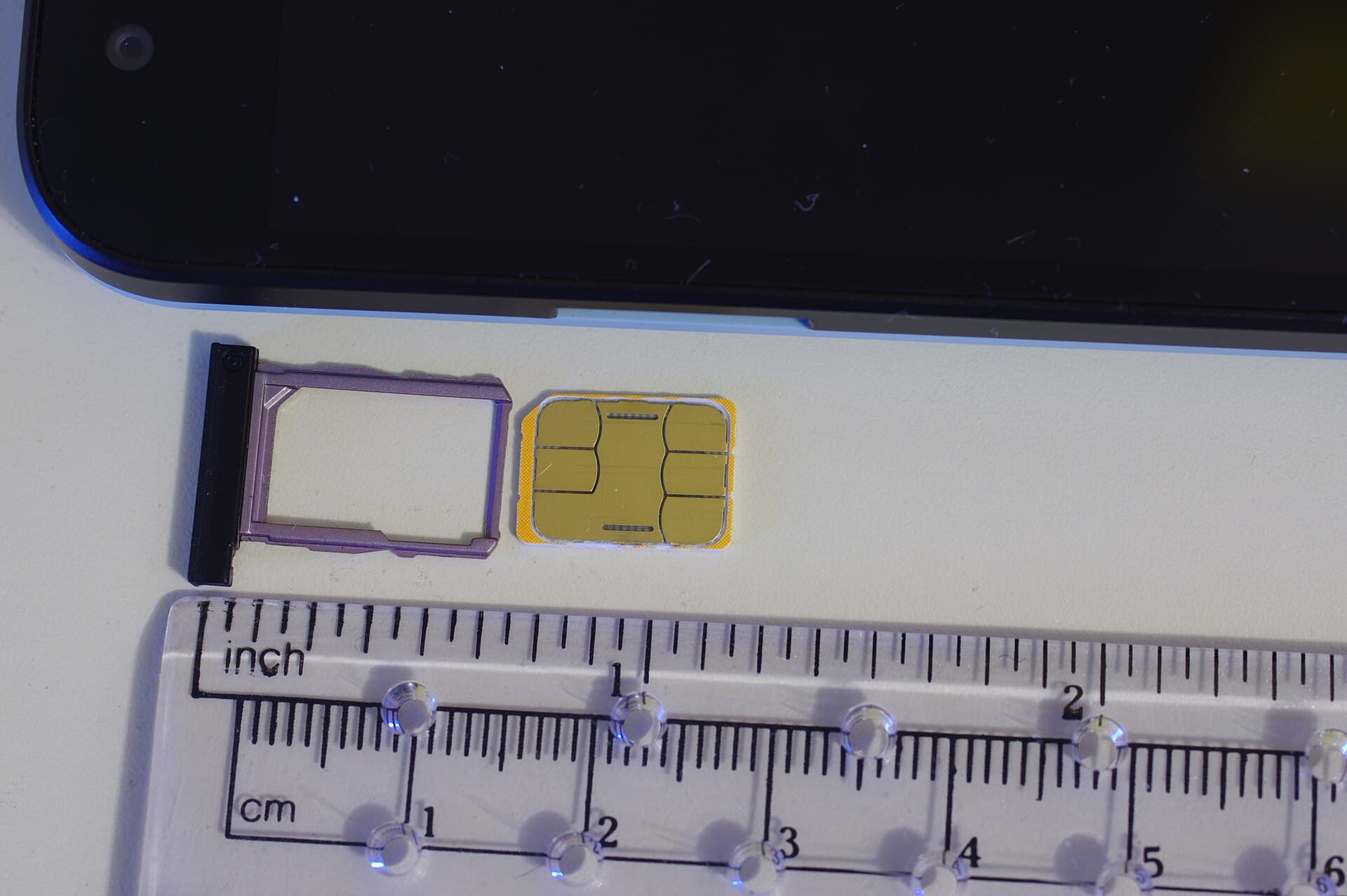
Turkcell, Vodafone and Türk Telekom sell prepaid SIMs. Turkish rules require foreign phones used with a local SIM to be registered within 120 days of your last entry, so buying a tourist SIM from an authorised seller or a travel eSIM is usually simpler. Some eSIM services are restricted in Türkiye, so check with your provider before you travel.
A travel eSIM avoids hunting for a SIM shop after a long flight. Use our eSIM Finder to estimate how much data you need.
Getting around
Istanbul has a metro, trams, ferries and buses, and the Istanbulkart transit card works across most modes. Taxis are plentiful, but insist on the meter or use a ride-hailing app. Domestic flights, long-distance buses and a growing high-speed rail network link the main cities. Türkiye drives on the right. Cappadocia is best explored by tour, scooter or hire car.
Safety and health
Türkiye is a popular tourist destination, but the UK and US governments advise against all travel within 10km of the border with Syria, and the US also warns against the Iraq border area. Check the latest guidance before you travel. In Istanbul, be alert to taxi overcharging, restaurant bill padding and shoe-shine or carpet-shop scams. Keep valuables out of sight in crowded places. Dress modestly in mosques, and remove your shoes.
Things to do
- Istanbul's Hagia Sophia, Blue Mosque and Grand Bazaar
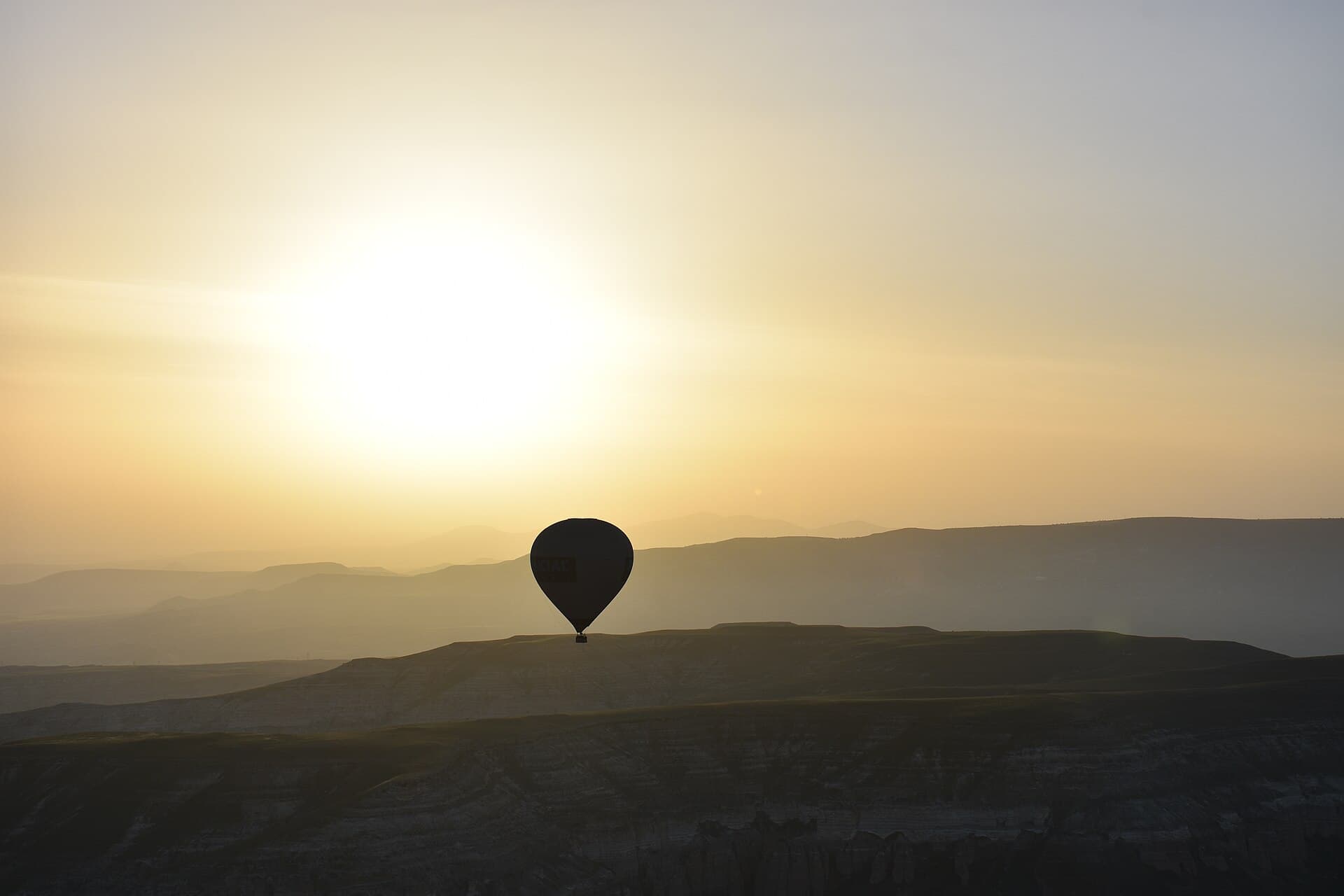
- Cappadocia's valleys and hot-air balloon flights
- Ephesus and the Aegean coast
- Pamukkale's travertine terraces
- Antalya and the Turquoise Coast
Airports
Istanbul Airport (IST) is the main international hub, Sabiha Gökçen (SAW) serves the Asian side and Antalya (AYT) is the main gateway for the Mediterranean resorts. Use official airport shuttles or metro links rather than touts.
Local customs
Greet people politely and accept tea if offered. Dress modestly in religious sites, and cover your shoulders and knees. Remove shoes before entering mosques and homes. During Ramadan, avoid eating or drinking openly in conservative areas.
Emergency numbers
All emergencies: 112.