
Overview
Thailand is one of the world's easiest places to travel, with Bangkok's temples and street food, the northern hills around Chiang Mai, and the beaches of Phuket, Krabi, Koh Samui and Koh Phi Phi. Good transport, a huge range of accommodation and welcoming locals make it a favourite for first-time visitors and long-stay travellers.
Rules for entry and stays have changed in recent years, so verify them close to departure. Once you are in, the main challenges are heat, traffic and a few well-known scams.
Entry requirements
Many nationalities can enter visa-free for a short stay, and others need a visa in advance. From 15 September 2026, eligible passport holders can stay up to 30 days visa-free for tourism, and only twice in a calendar year. South African passport holders are on the 30-day list. Zimbabwean, Zambian, Nigerian, Kenyan and Ghanaian passport holders need a visa, applied for through the official e-Visa portal (thaievisa.go.th). Check the Ministry of Foreign Affairs for your passport. Your passport needs at least 6 months' validity on arrival and at least 1 blank page. You may be asked for proof of onward travel and of enough money for your stay.
All foreign visitors must complete the Thailand Digital Arrival Card (TDAC) online within 3 days before arrival, every time they enter. Use the official immigration site, since look-alike sites charge fees for a free form.
Best time to visit
November to February is the cooler, drier season and the most popular, with the highest prices over Christmas and New Year. March to May is very hot, and the Songkran water festival in mid-April is a highlight, though travel is busy. The rainy season, roughly May to October, brings lower prices and green landscapes, with storms that can disrupt boats on the islands.
Money
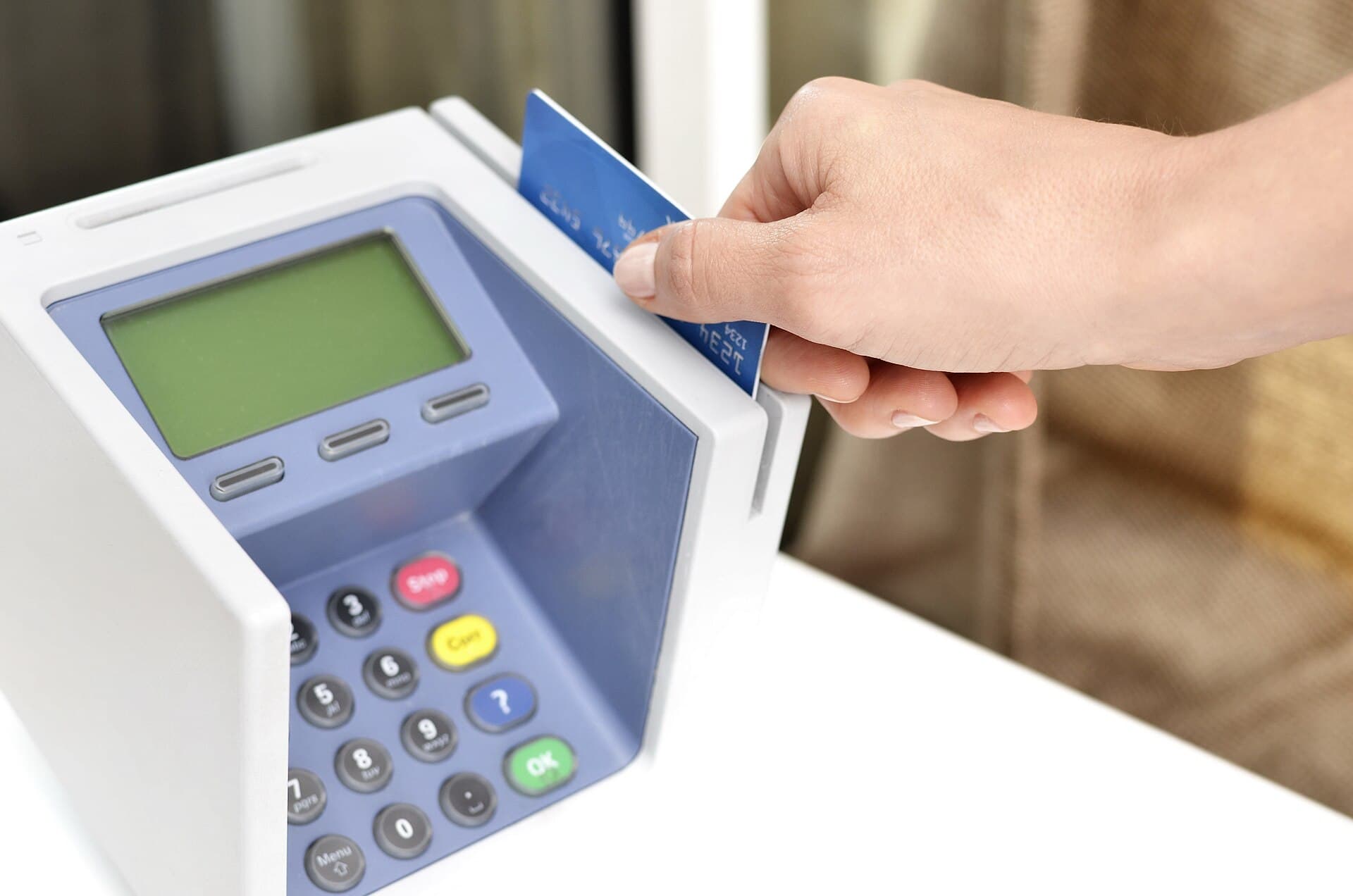
The currency is the Thai baht (THB). Cards are accepted in hotels, malls and many restaurants, but cash is essential at street food stalls, markets and small shops. Thai ATMs charge a fixed fee per foreign card withdrawal, so withdraw larger amounts less often and decline the machine's offer to convert to your home currency. Tipping is not expected, though rounding up or leaving small change is appreciated.
For everyday spending, compare the best ways to pay while travelling and always choose the local currency when a terminal offers to convert (why).
Mobile data and eSIMs
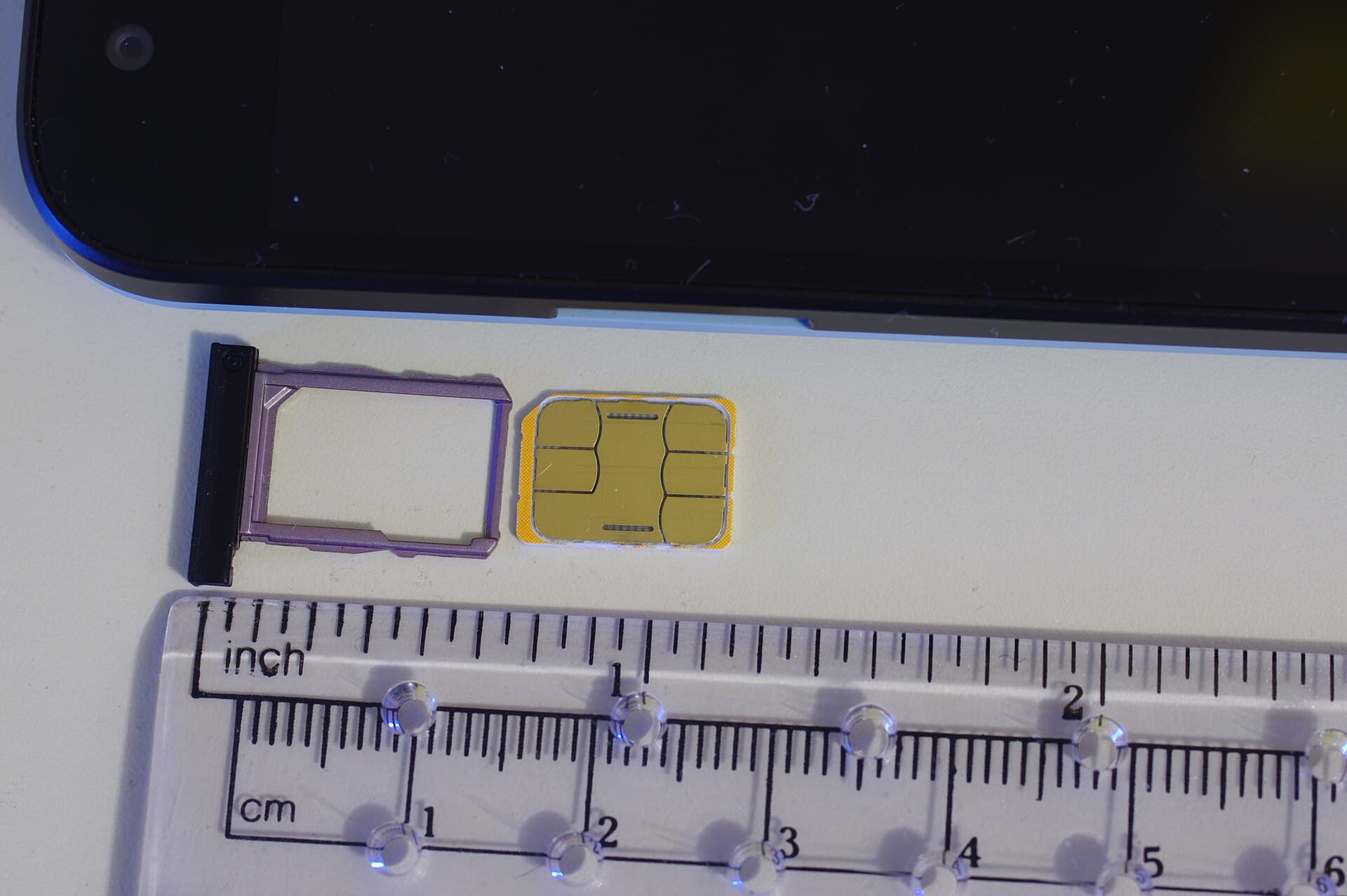
AIS, True and dtac sell tourist SIMs at airports and in shops, with passport registration, and coverage is good in cities and tourist areas. A travel eSIM is easy to install before you fly.
A travel eSIM avoids hunting for a SIM shop after a long flight. Use our eSIM Finder to estimate how much data you need.
Getting around
Bangkok has the BTS Skytrain and MRT metro, which avoid road traffic, plus ferries on the Chao Phraya. Ride-hailing apps are common, and metered taxis are cheap but insist on the meter. Domestic flights and overnight trains link the north and south, and ferries serve the islands. Thailand drives on the left. Renting a scooter is popular but risky: many insurers will not cover riders without a valid licence, and accidents are common.
Safety and health
Thailand is welcoming, but a few scams are well known: tuk-tuk drivers offering cheap tours that end at gem or tailor shops, and jet-ski rental damage claims. Agree prices first and photograph rental equipment. Drug offences carry severe penalties, cannabis is restricted to medical use, and e-cigarettes and vapes are illegal. Insulting the monarchy is a serious crime. Take care with sun, heat and sea conditions. If you have travelled from or through a country Thailand lists as a yellow fever risk, including Kenya, Ghana and Nigeria, carry your yellow fever vaccination certificate. Check the official list before you travel.
Things to do
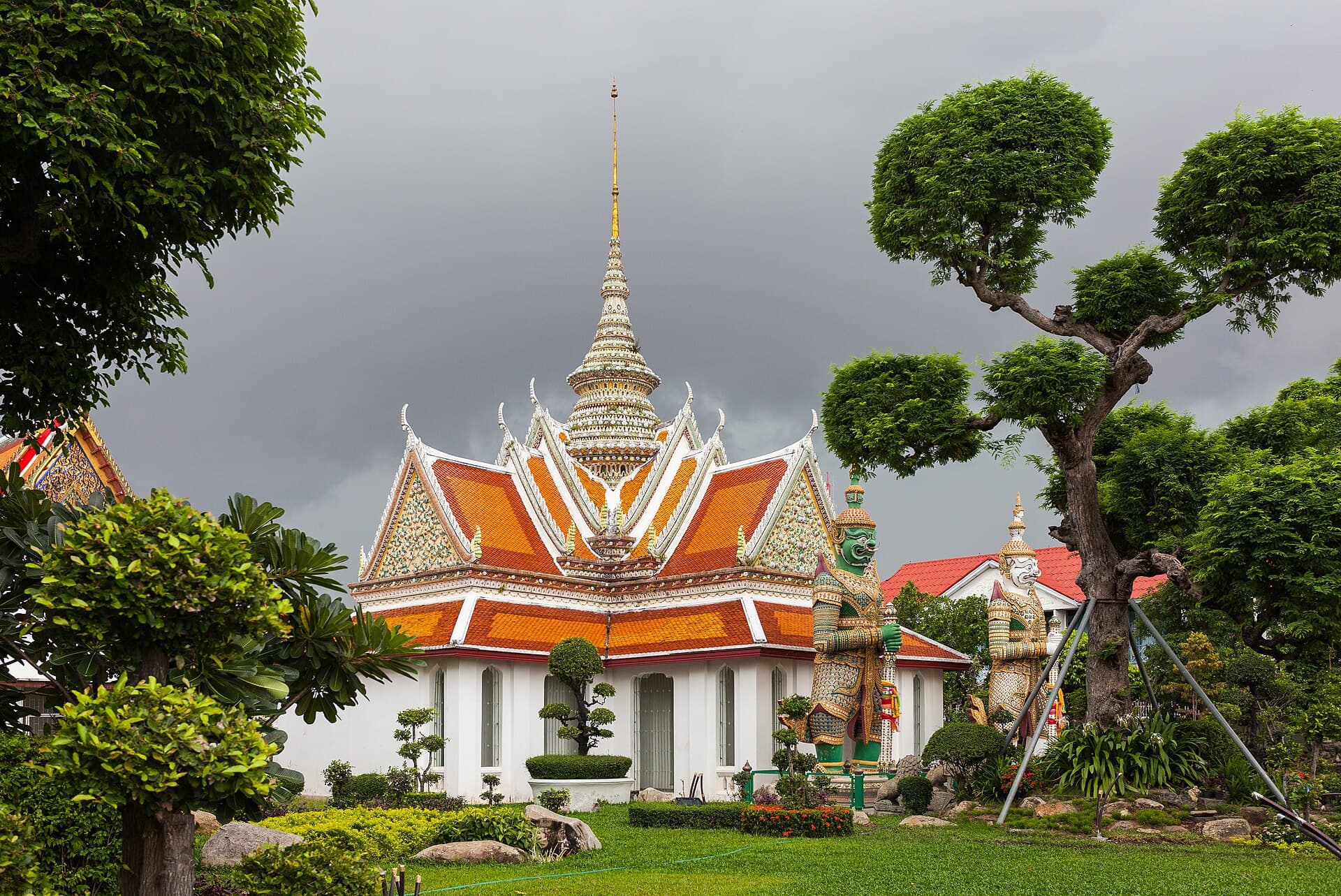
- Bangkok's Grand Palace, Wat Pho and Wat Arun
- Chiang Mai's old city, temples and elephant sanctuaries run to ethical standards
- Island hopping around Phuket, Krabi and Koh Phi Phi
- Street food crawls in Bangkok's Chinatown
- Ayutthaya's historic ruins
Airports
Suvarnabhumi (BKK) is the main international gateway and Don Mueang (DMK) handles many low-cost flights. Both have rail or express links to the city, and licensed taxi queues use meters. Phuket (HKT) serves the southern beaches.
Local customs
Greet people with a wai, a slight bow with hands together. Dress modestly at temples, cover shoulders and knees and remove shoes where asked. Do not touch people's heads, and do not point your feet at people or images of the Buddha. Show respect to images of the king and royal family.
Emergency numbers
Police: 191. Medical emergencies: 1669. Tourist police: 1155.