
Overview
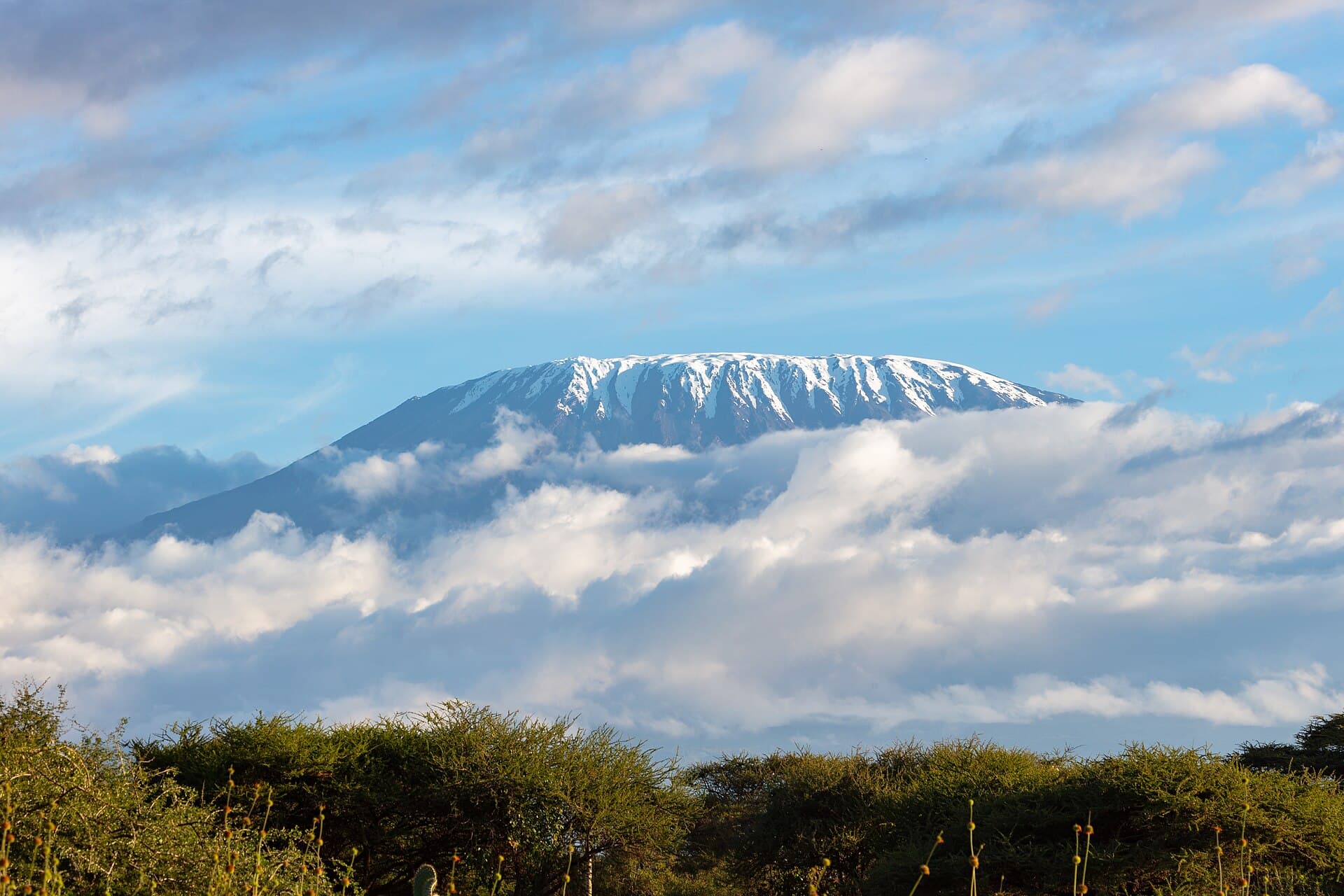
Tanzania is home to the Serengeti, the Ngorongoro Crater, Africa's highest mountain, Kilimanjaro, and the spice island of Zanzibar. It is a big, varied country where safaris, a mountain climb and a beach stay can fit into one trip.
Most visitors arrive through Arusha and Kilimanjaro airport for the northern parks or Dar es Salaam and Zanzibar for the coast. Book safaris and Kilimanjaro operators well ahead and check what is included in the price.
Entry requirements
Many visitors need a visa, including UK, EU, US and Nigerian passport holders, while citizens of several African countries, including South Africa, Zimbabwe, Kenya, Ghana and Zambia, are on Tanzania's visa-exempt list. Tanzania runs an official e-visa system alongside single-entry visas on arrival for some travellers. Apply through the government portal and be careful with look-alike sites. Rules, fees and stay lengths depend on your passport, so confirm them before travel.
New for mainland Tanzania: from 1 October 2026, foreign visitors entering the mainland must hold a government inbound travel insurance policy from the National Insurance Corporation, with residents of East African Community and SADC partner states exempt. Zanzibar runs its own separate mandatory policy through the Zanzibar Insurance Corporation. If your trip includes both, check on the official portals whether you need one policy or two before you fly. See our update on the Tanzania insurance rule for the details.
A yellow fever certificate is usually required if you arrive from a country with yellow fever transmission. If you are combining Tanzania with Kenya or Rwanda, check each country's rules, as visa arrangements between East African states can vary.
Best time to visit
June to October is the dry season and the main safari window, with the river crossings in the northern Serengeti around July to October. January to February is calving season in the southern Serengeti. Zanzibar's beaches are good from June to October and December to February, while the long rains of roughly March to May bring lower prices and fewer visitors.
Money
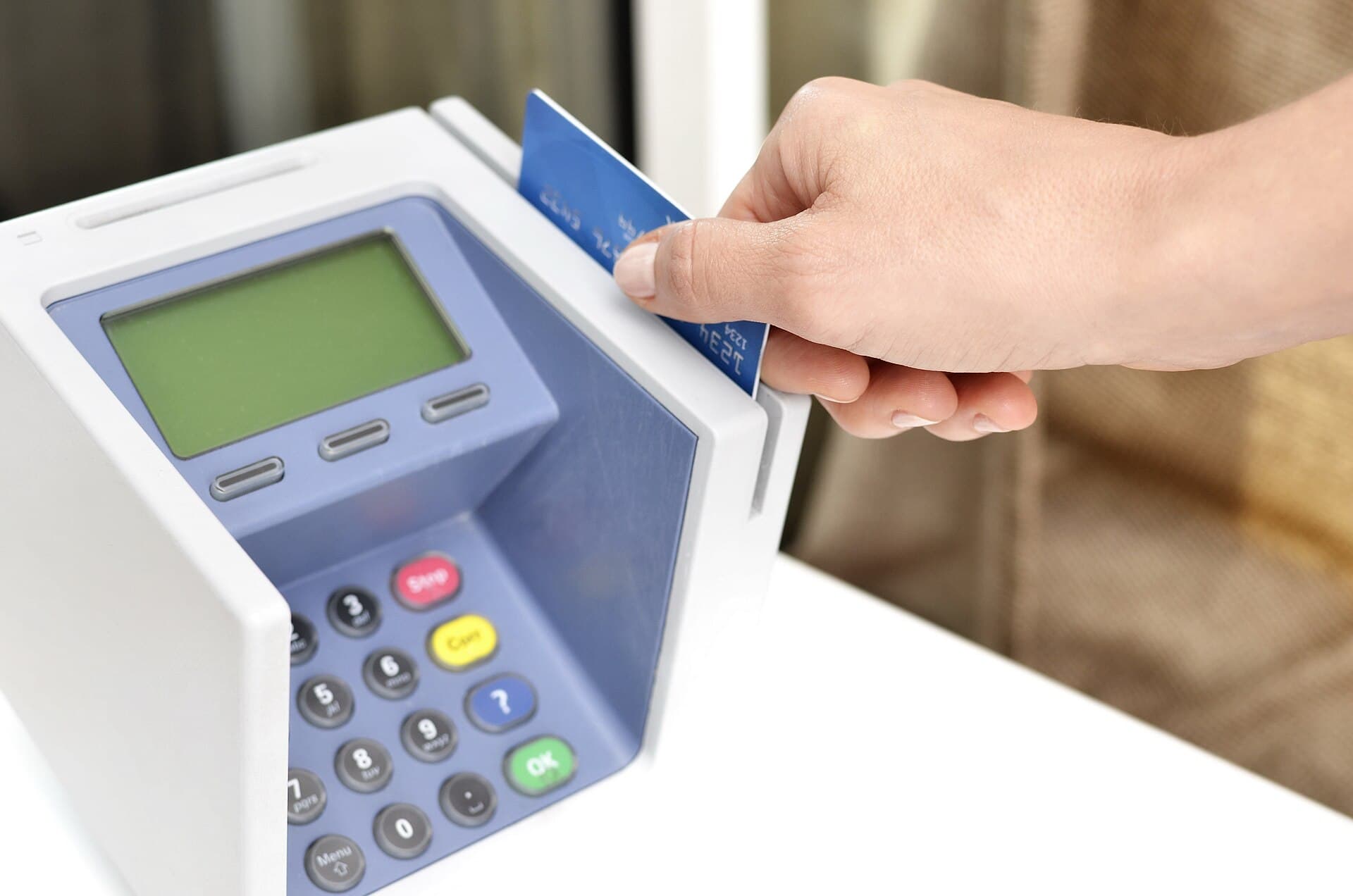
The currency is the Tanzanian shilling (TZS). US dollars are widely quoted for safaris, park fees and some hotels, and are often accepted in tourist areas. Card acceptance is growing in cities and lodges, and national parks have moved to cashless payment systems, so check how park fees are paid on your safari. ATMs are available in main towns. Carry small notes for tips, which are customary for guides, drivers and camp staff.
For everyday spending, compare the best ways to pay while travelling and always choose the local currency when a terminal offers to convert (why).
Mobile data and eSIMs
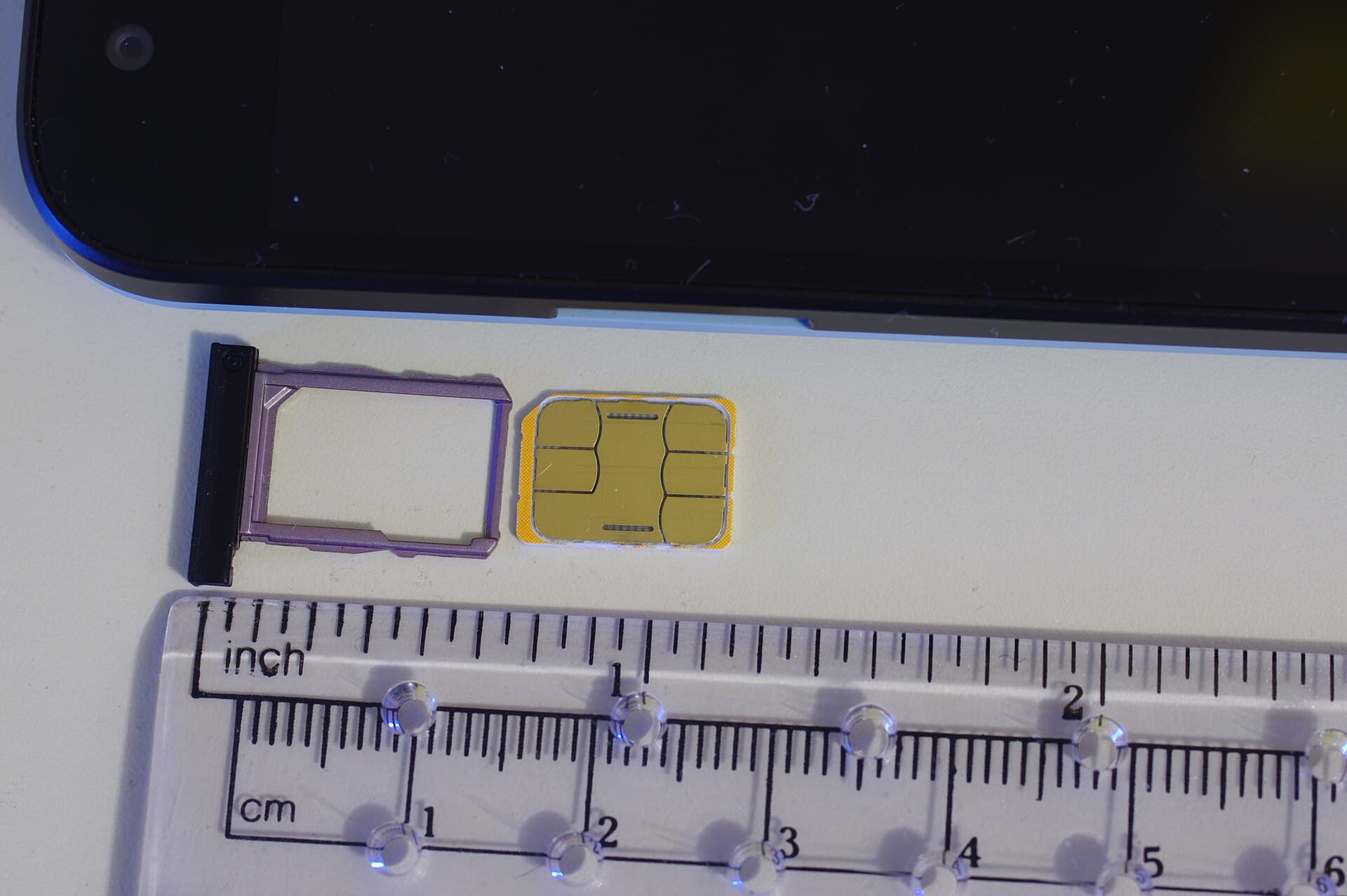
Local SIM cards from the main operators are sold at the airport and in towns with passport registration. Coverage is good in cities and weak in many parks. A travel eSIM is a simple option for arrival and Zanzibar.
A travel eSIM avoids hunting for a SIM shop after a long flight. Use our eSIM Finder to estimate how much data you need.
Getting around
Light aircraft link the Serengeti, Arusha, Zanzibar and Dar es Salaam, which saves long road transfers. Road journeys can be slow and rough. Ferries link Dar es Salaam with Zanzibar, and ride-hailing apps and motorbike taxis are used in cities. Tanzania drives on the left. Safaris are normally taken with a driver-guide.
Safety and health
Take usual precautions against petty theft in cities and on Zanzibar's beaches, avoid walking at night and keep valuables out of sight. Malaria is present in much of the country, so speak to a travel clinic well before travel. For Kilimanjaro, choose an operator that treats porters fairly and follow altitude advice. Check the latest official advice before travel.
Things to do
- Serengeti game drives and the migration
- Ngorongoro Crater for dense wildlife
- Kilimanjaro, with a registered operator and guide
- Zanzibar's Stone Town and beaches
- Tarangire for elephants and baobabs
Airports
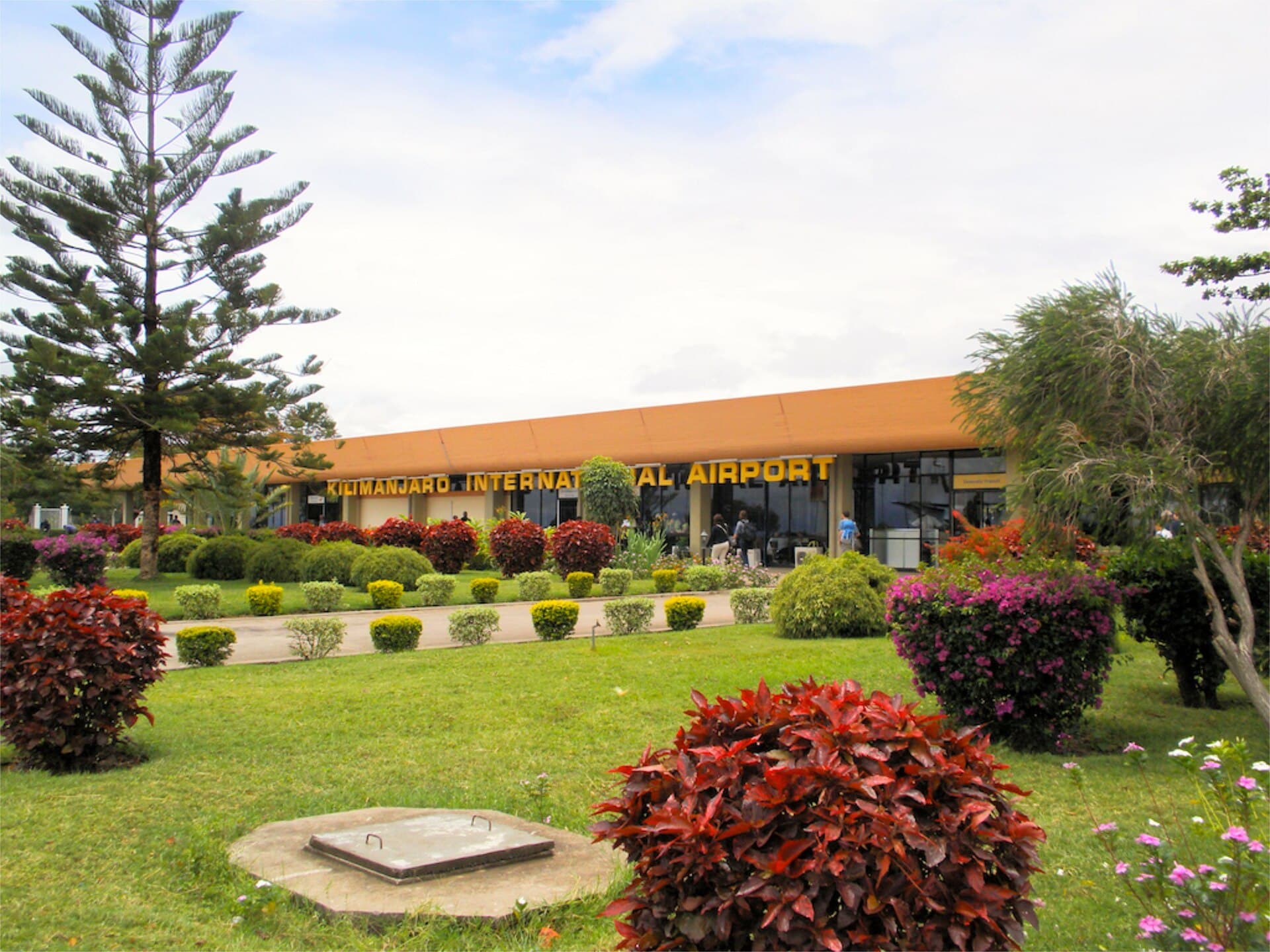
Julius Nyerere (DAR) serves Dar es Salaam, Kilimanjaro International (JRO) is the gateway to the northern safari circuit and Zanzibar (ZNZ) serves the islands. Keep your visa and any health documents handy.
Local customs
Greet people before asking for something, and dress modestly in towns and on Zanzibar, which is predominantly Muslim. Ask permission before photographing people, particularly Maasai communities. Tipping is customary for guides and camp staff.
Emergency numbers
Emergency number: 112. For safari or mountain emergencies, your operator is usually the fastest first contact.