
Overview
Spain mixes big cities, long beaches, mountain towns and some of Europe's best food. Madrid and Barcelona anchor most trips, with Andalusia's Seville, Granada and Córdoba, the Basque coast, the Balearic and Canary Islands adding variety.
The pace of the day is different from northern Europe: late lunches, later dinners and quiet afternoons in smaller towns. Lean into it, and book the headline attractions in advance.
Entry requirements
Spain is in the Schengen Area, so one short-stay Schengen visa (where you need one) covers Spain and the other Schengen countries. Visitors who do not need a visa can generally stay up to 90 days in any 180-day period across the whole area. South African, Zimbabwean, Nigerian, Kenyan, Ghanaian and Zambian passport holders all need a Schengen visa. Some nationalities also need an airport transit visa just to change planes, so check the official visa portal if you are connecting here. Hotels, tourist accommodation and car hire firms must legally register your passport details. Your passport should be valid for at least three months beyond your planned departure and issued within the last 10 years (see our passport validity guide).
The EU's Entry/Exit System registers non-EU visitors at the external border, so expect fingerprints and a photo on arrival. The ETIAS pre-travel authorisation for visa-free visitors has not been confirmed to start yet, so read our ETIAS status update before you plan. If you need a visa, see visa types explained.
Best time to visit
April to June and September to October are the best for sightseeing. July and August are very hot in Madrid, Seville and the south, so many people head to the north coast or islands. Winter is mild on the south coast and the Canary Islands, but cold in the interior.
Money
Spain uses the euro (EUR). Cards and contactless are accepted almost everywhere, and ATMs are common, though some independent ATMs charge high fees. Tipping is modest, such as rounding up or leaving small change. Catalonia (including Barcelona, which adds its own surcharge) and the Balearic Islands charge a tourist tax per night on most tourist accommodation, and some other cities have their own. It is usually paid at check-in or checkout; check the official regional tax portal for current rates.
For everyday spending, compare the best ways to pay while travelling and always choose the local currency when a terminal offers to convert (why).
Mobile data and eSIMs
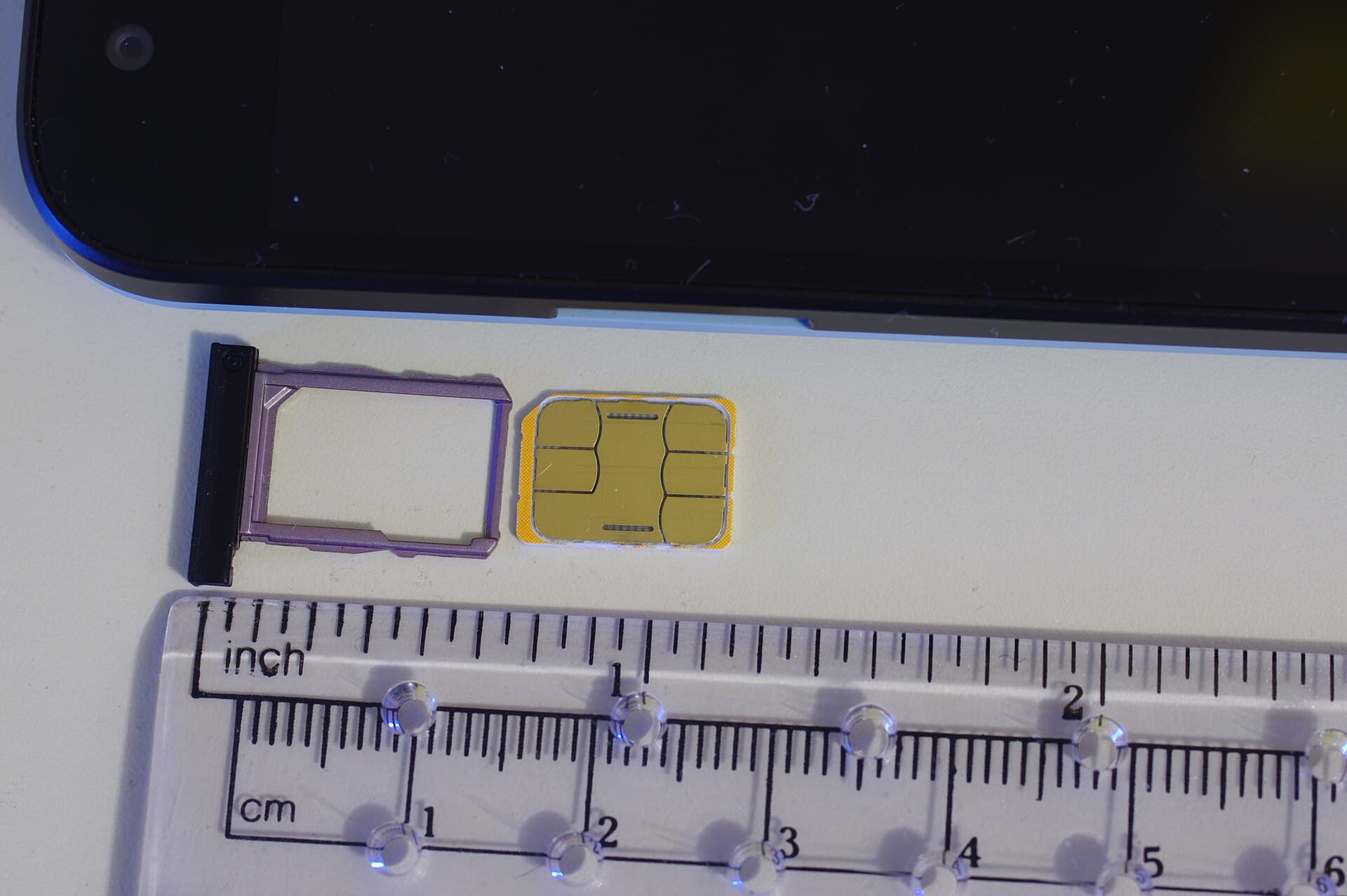
Movistar, Vodafone, Orange and others sell SIMs in shops, with ID required. A travel eSIM is a simple choice for arrival. EU roaming rules apply to EU SIMs across the bloc.
A travel eSIM avoids hunting for a SIM shop after a long flight. Use our eSIM Finder to estimate how much data you need.
Getting around
High-speed AVE trains link Madrid with Barcelona, Seville, Valencia and Málaga, and booking ahead is cheaper. Madrid and Barcelona have good metros, and buses and regional trains cover smaller towns. Driving is straightforward, but city centres have low-emission zones, so check restrictions before taking a rental car in. Spain drives on the right.
Safety and health
Pickpocketing is the main risk in Barcelona and Madrid, especially around the Metro, tourist sights and beaches. Keep bags closed and in front of you, use a cross-body bag and be wary of distractions. Summer heat can be severe, so plan sightseeing early or late and drink water. Check government advice for any current alerts.
Things to do
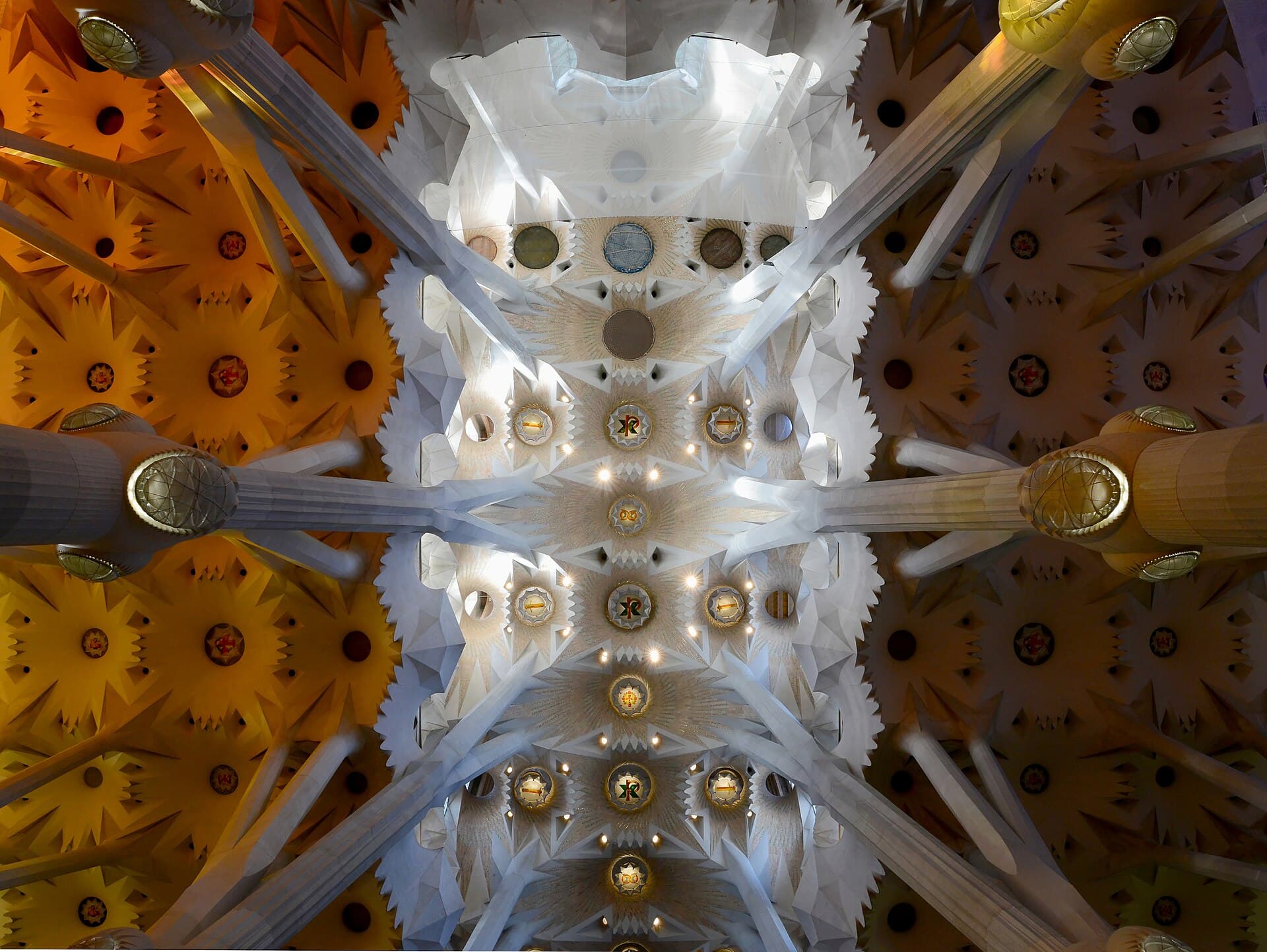
- Barcelona's Sagrada Família, Park Güell and the Gothic Quarter
- Madrid's Prado Museum and Retiro Park
- Andalusia's Alhambra in Granada and Seville's Alcázar
- San Sebastián's pintxos bars
- The Canary Islands for winter sun
Airports
Madrid-Barajas (MAD) and Barcelona-El Prat (BCN) are the main hubs, and Málaga (AGP) serves the Costa del Sol. Book major attractions such as the Sagrada Família and the Alhambra ahead of arrival.
Local customs
Greet people with hola and gracias. Eating hours are late, and bars often serve small plates with drinks. Dress modestly in churches. Noise in the evening is normal in many neighbourhoods.
Emergency numbers
All emergencies (police, fire, ambulance): 112.