
Overview
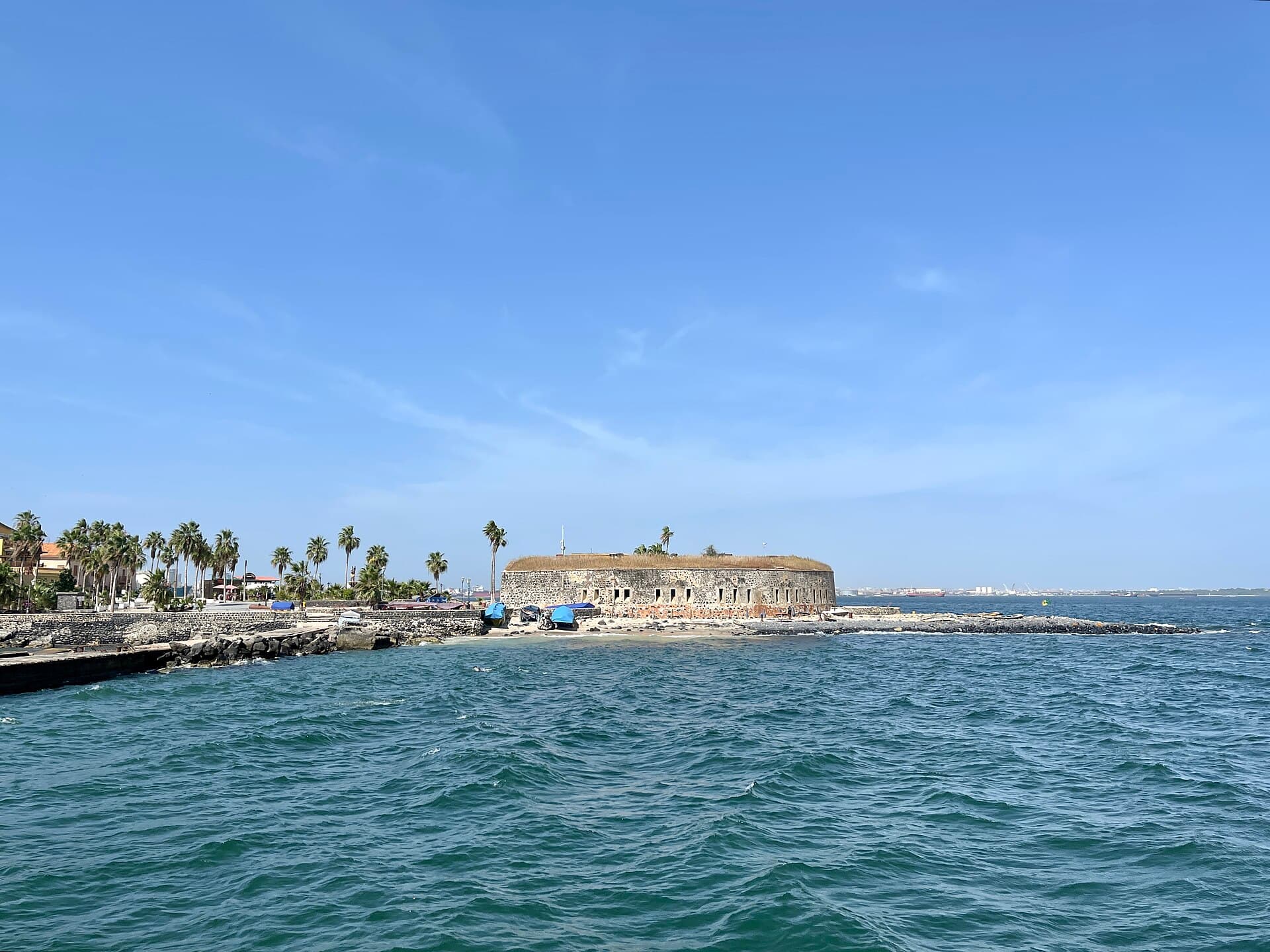
Senegal is one of West Africa's most popular destinations: Dakar's music, markets and surf, the historic island of Gorée, the colonial streets of Saint-Louis, the Saloum Delta's mangroves and long Atlantic beaches. French is widely used, which helps travellers from Francophone Africa and Europe.
It is a short flight from Europe and a regional hub for the west coast. Plan around the dry season and keep an eye on the news, as demonstrations are frequent.
Entry requirements
UK government guidance says passports must be valid for at least six months after arrival. British citizens can visit without a visa for up to three months, but must show evidence of return or onward travel and proof of accommodation. Stays beyond three months require registration with the local authorities and a foreign resident card. US citizens do not need a visa for stays of 90 days or less. Under the ECOWAS free movement protocol, citizens of member states such as Nigeria and Ghana can visit for up to 90 days without a visa, carrying a valid travel document and health certificate. Rules for other passports, including South African, Zimbabwean, Zambian, Kenyan and EU passports, can change, so check with a Senegalese embassy or the official portal before booking.
A yellow fever certificate is mandatory if you arrive from a country with transmission risk, including if you transited an affected country's airport. You may also need it for onward travel. Declare goods that may be prohibited or dutiable. Entry is refused if your travel documents are not valid or if you use a passport reported lost or stolen.
Best time to visit
November to May is dry and sunny, with cooler, less humid weather from December to February. The rainy season runs roughly June to October, bringing humidity, flooding and landslides in places. Dakar's winds make the coast pleasant for surfing in the cooler months.
Money
The currency is the West African CFA franc (XOF), shared with several neighbouring countries and pegged to the euro. Cards are accepted at larger hotels and restaurants in Dakar, but cash is used almost everywhere else. ATMs are common in cities. UK government guidance warns of fake currency when exchanging cash, so use ATMs or reputable exchange bureaux, and avoid carrying large sums.
For everyday spending, compare the best ways to pay while travelling and always choose the local currency when a terminal offers to convert (why).
Mobile data and eSIMs
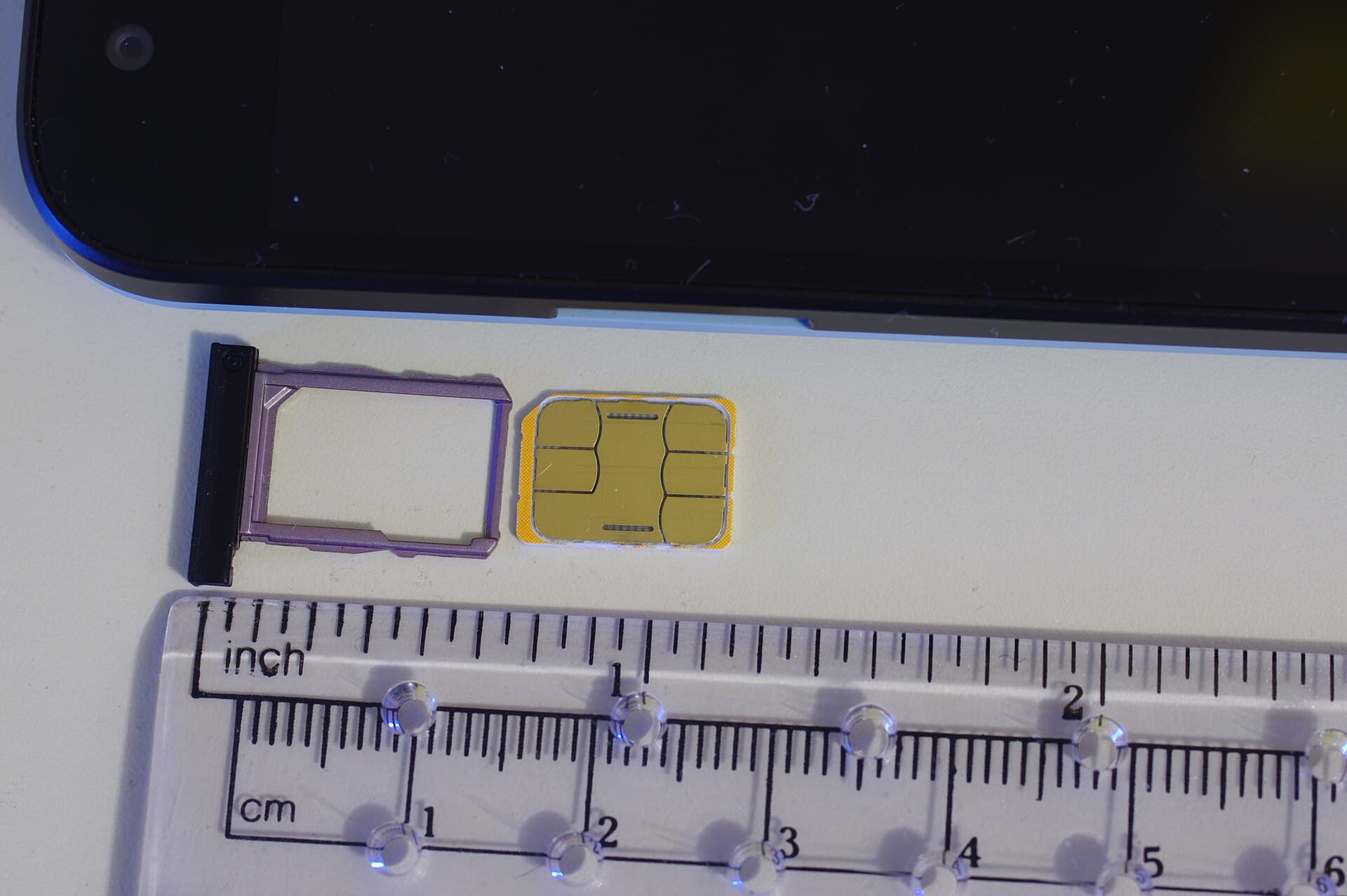
Coverage is good in Dakar and along main roads, with 4G in many places, and weaker in remote areas and parts of the south-east. A local SIM is easy to buy with your passport, and travel eSIMs work in cities. Use our eSIM Finder to estimate how much data you need.
Getting around
Senegal drives on the right. UK government guidance says main roads are generally good but minor roads deteriorate and driving standards differ from the UK, with common speeding and sudden manoeuvres. The rainy season can cause flooding and landslides, and night driving is hazardous because of poor lighting. Report accidents to police on 17. In Dakar, use registered taxis or ride-hailing apps, and agree fares in advance. Be wary of bogus taxi drivers at the airport. Ferries run to Gorée from Dakar.
Safety and health
Robbery, burglary and assault are increasingly common in Dakar, including at hotels, and pickpocketing is rising. Use hotel safes, avoid carrying large sums, and take care after dark. Frequent political demonstrations in Dakar and other cities can turn violent and block main roads, including routes to the airport, so monitor local media and avoid protests. Foreign nationals have been prosecuted for attending unauthorised demonstrations.
UK guidance says terrorist attacks cannot be ruled out, groups operate across the Sahel near the Mali border, and there is a kidnapping threat in the wider Sahel region. Take particular care in remote northern and eastern border areas near Mauritania and Mali. In Casamance, be alert for clashes, particularly near the Gambian and Guinea-Bissau borders, though the risk is lower in main tourist areas.
Senegal is predominantly Muslim, so dress modestly, especially during Ramadan. Drug penalties are severe, and same-sex relations are illegal with sentences of 5 to 10 years. UK guidance updated its LGBT+ information in May 2026 after legislation changed. Take medical advice on malaria and vaccinations.
Things to do
- Gorée Island and its memorial house
- Dakar's markets, murals and the African Renaissance Monument
- Saint-Louis jazz and old town
- Lac Rose and the Saloum Delta
- Surfing at Ngor and Yoff
Airports
Blaise Diagne International (DSS) is the main gateway, about an hour or more from central Dakar depending on traffic. Many travellers also arrive overland from The Gambia or Mauritania.
Local customs
Greetings matter: take time to say hello and ask after people. Use your right hand when giving and receiving. Ask before photographing people, and dress modestly away from beach resorts. Bargaining is expected in markets.
Emergency numbers
Police: 17. Ambulance: 15. Ask your accommodation for the fire number for your area.