
Overview
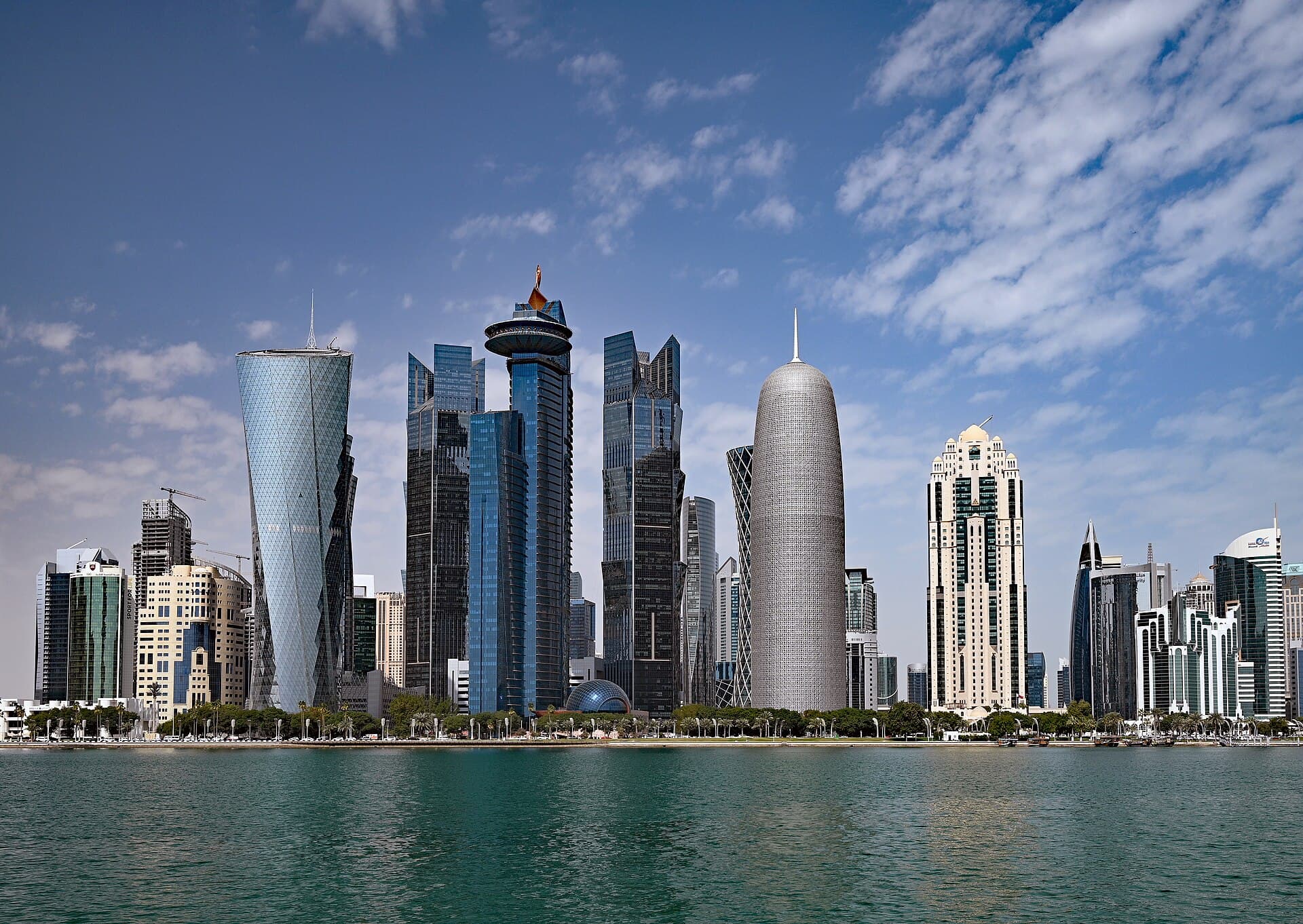
Qatar is a small, wealthy Gulf state built around Doha, with a striking skyline, Souq Waqif's traditional market, world-class museums and desert dunes within an hour's drive. Hamad International Airport makes it a major connecting hub between Africa, Europe, Asia and the Americas, and many travellers use it for a stopover.
Plan for heat, dress and conduct rules that are more conservative than in many global cities, and enjoy easy transport and clean, safe streets.
Entry requirements
Entry rules depend on your passport. Many nationalities can enter visa-free for a limited stay, and others need to apply in advance for a tourist visa through Hayya. Visit Qatar lists Zimbabwe, Nigeria, Kenya, Ghana and Zambia among the nationalities that pay a fee and need a hotel booking. South Africa is not on that list, but check the official portal for your passport. Qatar uses the official Hayya platform for some entry-related processes, so check Visit Qatar and Hayya for the current requirements.
Your passport should be valid for at least six months from arrival to meet the strictest official guidance. Transit passengers should check whether a visa is needed to leave the airport during a long layover.
Best time to visit
November to April is the best time to visit, with warm days and cooler evenings. Summer is extremely hot and humid, so most activities move indoors or to evenings. Ramadan changes opening hours, with restaurants quiet by day and busy after sunset.
Money
The currency is the Qatari riyal (QAR), which is pegged to the US dollar. Cards and contactless are accepted almost everywhere, and ATMs are common. Check your bill for a service charge before deciding whether to tip. Souq shopping often involves polite bargaining.
For everyday spending, compare the best ways to pay while travelling and always choose the local currency when a terminal offers to convert (why).
Mobile data and eSIMs
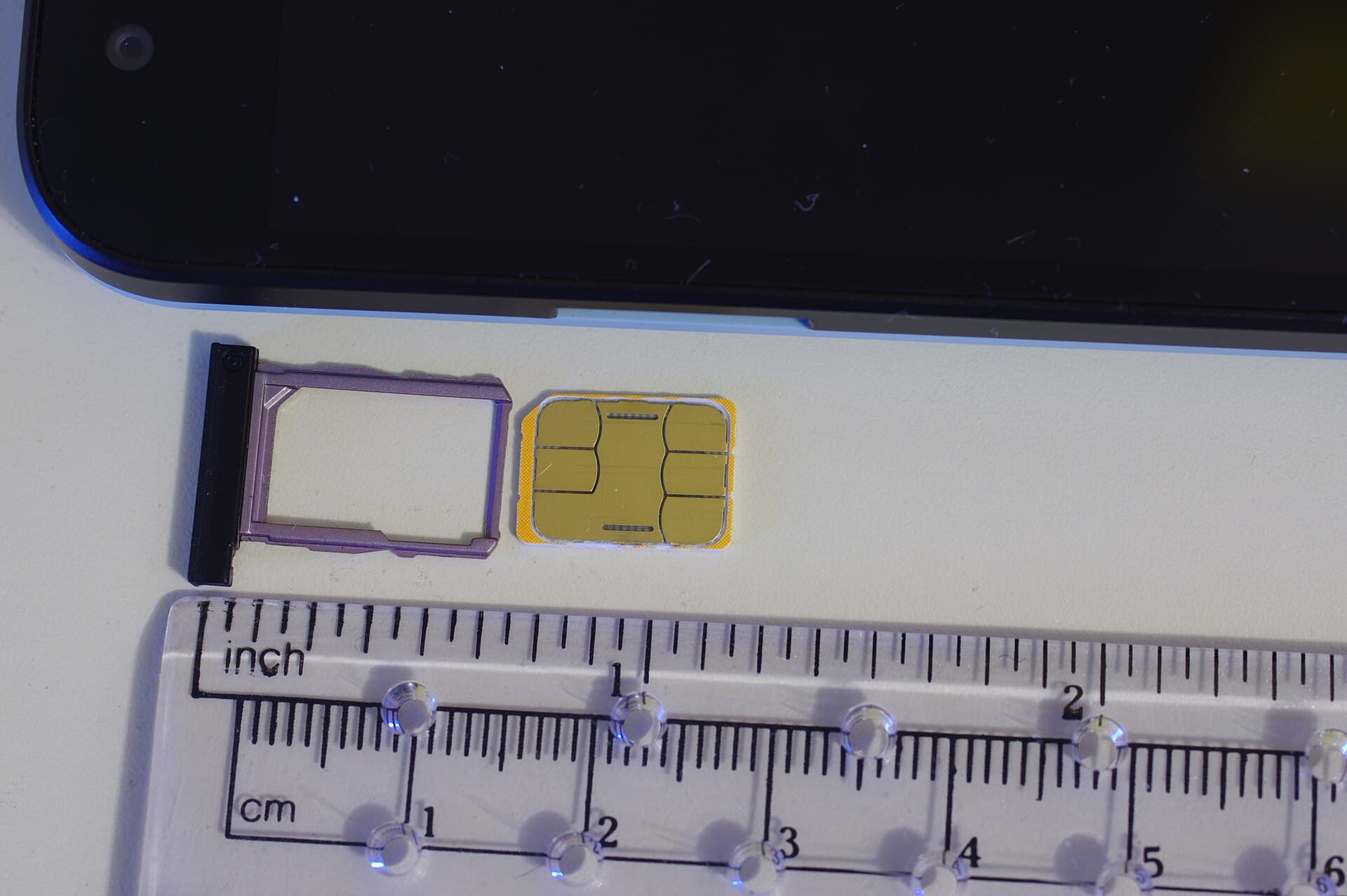
Ooredoo and Vodafone Qatar sell tourist SIMs at the airport and in shops, with passport registration. A travel eSIM is straightforward. Be aware that some voice-over-internet services are restricted.
A travel eSIM avoids hunting for a SIM shop after a long flight. Use our eSIM Finder to estimate how much data you need.
Getting around
The Doha Metro and tram network are modern and cheap, and they serve the airport. Karwa taxis can be hailed or booked by app, and Uber is widely used. Car hire is common, but traffic rules are strictly enforced, and fines are heavy. Qatar drives on the right.
Safety and health
Qatar is very safe, with low crime. Observe local laws: alcohol is restricted to licensed venues, drugs carry severe penalties, and public displays of affection can lead to arrest. Vapes and e-cigarettes are illegal to use or bring in, and some prescription medicines are controlled, so carry them in original packaging with a prescription and doctor's letter. Proof of yellow fever vaccination is required if you arrive from a country with a risk of transmission. Dress modestly in public places and malls, with shoulders and knees covered. Avoid photographing government buildings or local people without permission. Heat illness is a real risk in summer.
Things to do
- Souq Waqif's alleys, cafés and falconry stalls
- The Museum of Islamic Art and the National Museum of Qatar
- Katara Cultural Village and the Pearl Qatar
- The desert and Khor Al Adaid, the Inland Sea, on a guided trip
- Doha's Corniche at sunset
Airports
Hamad International (DOH) is a large, modern hub with a Metro link to the city. A stopover tour can be arranged through Qatar Airways, and layover visa rules differ, so check before leaving the terminal.
Local customs
Dress modestly, with shoulders and knees covered, particularly for women and at religious sites. Greet people politely, and use your right hand to give and receive. Do not eat, drink or smoke in public during Ramadan daylight hours. Ask before photographing people.
Emergency numbers
Police, fire and ambulance: 999.