
Overview
Portugal is compact, affordable by Western European standards and easy to travel: tiled Lisbon on its hills, riverside Porto, the golden Algarve cliffs, the Douro wine valley and the Atlantic islands of Madeira and the Azores. Trains and buses link the main cities, and the climate is mild for most of the year.
It is also a popular base for remote workers and long stays, which has pushed rents up in Lisbon and Porto. As a visitor, book central stays early in peak months.
Entry requirements
Portugal is in the Schengen Area, so one short-stay Schengen visa (where you need one) covers Portugal and the other Schengen countries. Visitors who do not need a visa can generally stay up to 90 days in any 180-day period across the whole area. South African, Zimbabwean, Nigerian, Kenyan, Ghanaian and Zambian passport holders all need a Schengen visa. Some nationalities also need an airport transit visa just to change planes, so check the official visa portal if you are connecting here. Your passport should be valid for at least three months beyond your planned departure and issued within the last 10 years (see our passport validity guide).
The EU's Entry/Exit System registers non-EU visitors at the external border, so expect fingerprints and a photo on arrival. The ETIAS pre-travel authorisation for visa-free visitors has not been confirmed to start yet, so read our ETIAS status update before you plan. If you need a visa, see visa types explained.
Best time to visit
April to June and September to October bring warm days, thinner crowds and good prices. July and August are hot and busy on the Algarve coast. Winter is mild but wetter, which suits city breaks, and Lisbon stays pleasant for much of the year.
Money
Portugal uses the euro (EUR). Cards and contactless work almost everywhere, and Multibanco ATMs are common. Withdraw in euros and decline the machine's offer to convert to your home currency. Service is not usually added to the bill, and leaving a small tip for good service is appreciated. Be aware that restaurants may bring bread, olives and starters to the table, which are charged if you eat them.
For everyday spending, compare the best ways to pay while travelling and always choose the local currency when a terminal offers to convert (why).
Mobile data and eSIMs
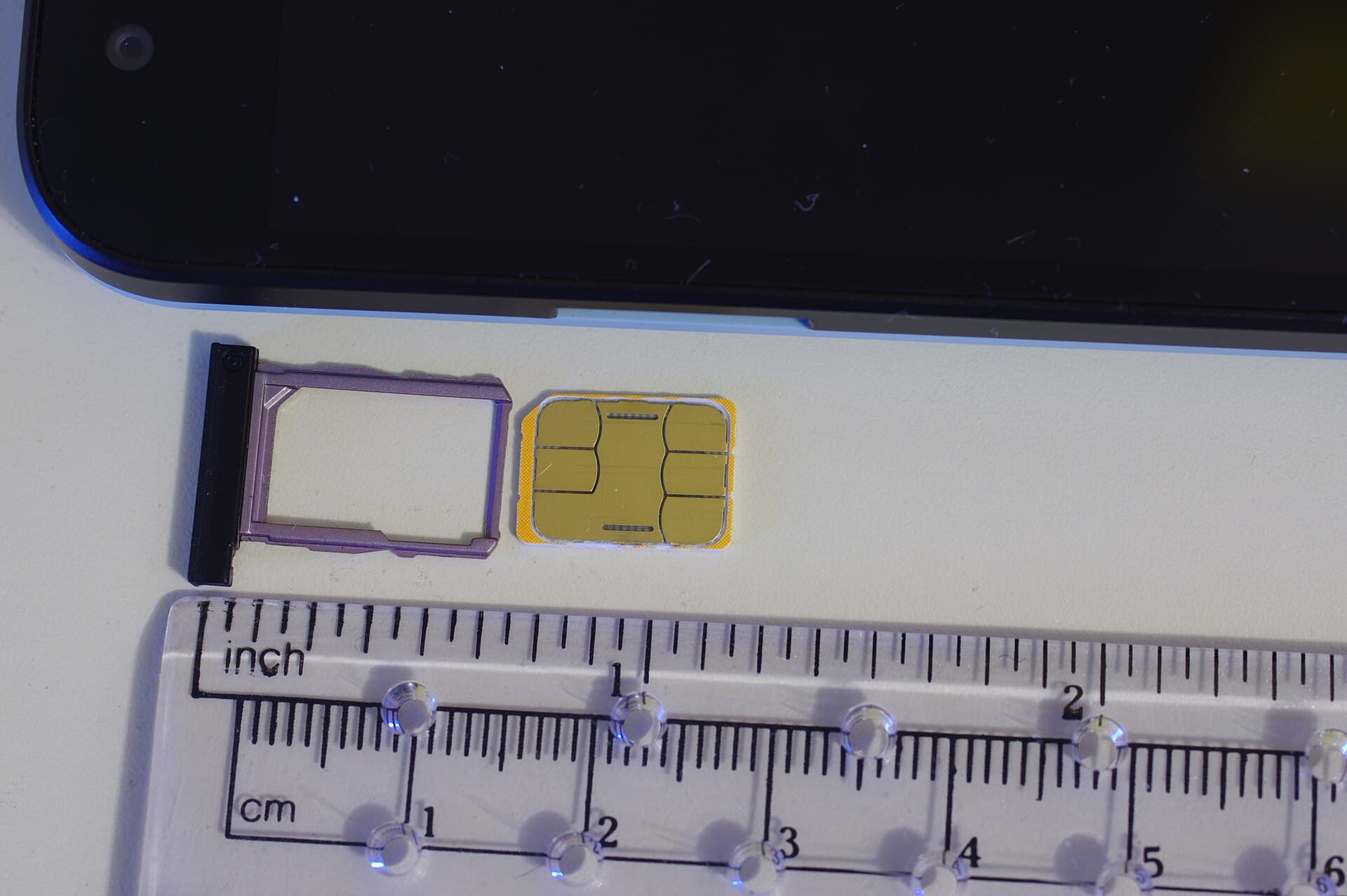
Vodafone, MEO and NOS sell prepaid SIM cards in shops. EU roaming rules mean data on EU SIMs generally works across the bloc, but non-EU SIMs and eSIMs vary. A travel eSIM is a quick option for arrival, especially if you are also visiting other European countries.
A travel eSIM avoids hunting for a SIM shop after a long flight. Use our eSIM Finder to estimate how much data you need.
Getting around
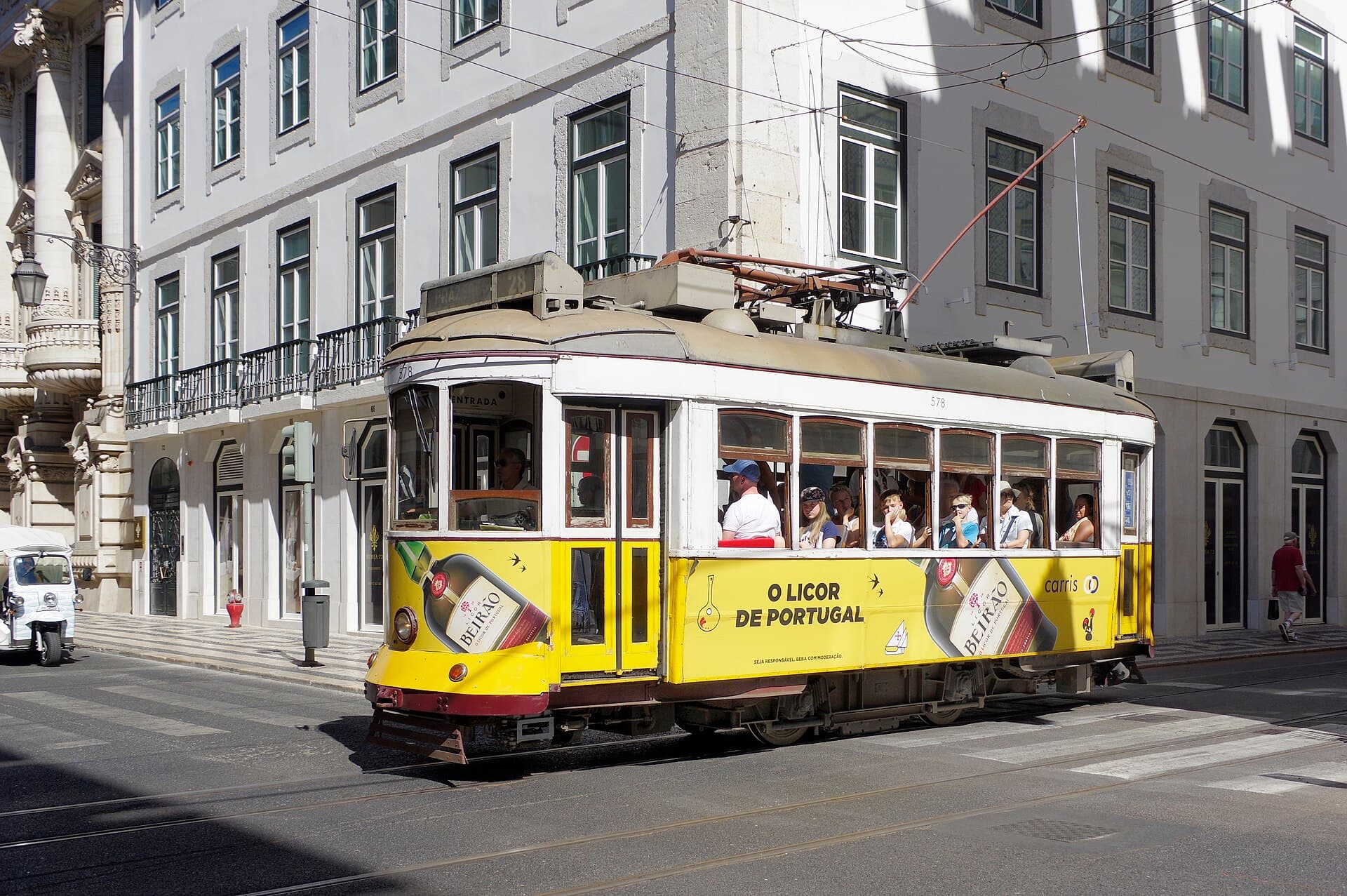
Lisbon has a metro, trams, buses and ferries across the Tagus, and a rechargeable card keeps fares low. Trains link Lisbon, Porto, Coimbra and Faro, and long-distance buses are cheap and reliable. Lisbon's hills are steep, so wear good shoes. Many motorways use electronic tolls, so ask your car-hire company how tolls are handled. Portugal drives on the right.
Safety and health
Portugal is considered safe, but pickpockets operate on crowded trams, in tourist areas and at train stations. Keep phones and wallets out of back pockets and watch bags in busy places. Summer wildfires can affect some areas, so check local alerts. Sun and Atlantic currents are real risks on beaches, so heed flag warnings.
Things to do
- Lisbon's Alfama, Belém Tower and the Time Out Market area
- Porto's Ribeira and port-wine cellars
- Sintra's palaces and gardens
- The Algarve's beaches and sea caves
- The Douro Valley by train or river cruise
Airports
Lisbon (LIS) is the main gateway, with Porto (OPO) and Faro (FAO) handling many European flights. Allow extra time at border control in summer and during peak weekends.
Local customs
Portuguese people are polite and a little reserved, so greet shop staff with bom dia or boa tarde. Dinner is usually late by northern European standards. Dress modestly in churches, and keep noise down in residential neighbourhoods at night.
Emergency numbers
All emergencies (police, fire, ambulance): 112.