
Overview
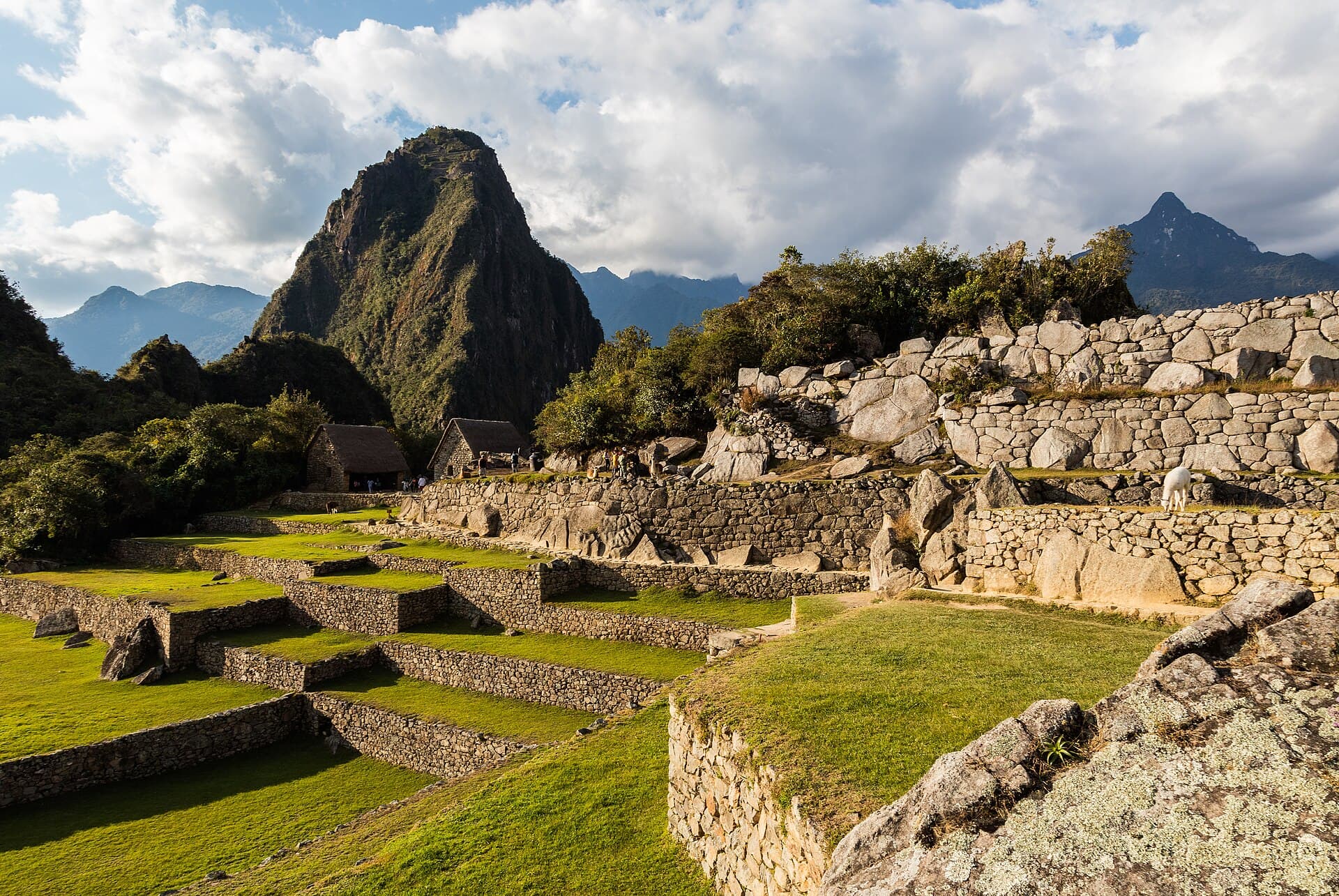
Peru is about Machu Picchu and the Sacred Valley, but also Lima's food scene, the colonial city of Arequipa, Lake Titicaca, the Colca Canyon and the Amazon basin. It is one of South America's top destinations for culture, hiking and food.
The main planning challenges are advance bookings for Machu Picchu and the Inca Trail, the altitude in the Andes and travel logistics in rainy season. Plan time to acclimatise before big treks.
Entry requirements
South African, UK and EU passport holders can enter Peru as tourists without a visa, and the border officer sets your stay (up to 183 days). Zimbabwean, Nigerian, Kenyan, Ghanaian and Zambian passport holders should expect to need a visa from a Peruvian consulate before travel. Your passport should be valid for six months. Your entry is recorded electronically, and you can download it as a TAM Virtual from Migraciones. Confirm your passport's status with Peru's Foreign Ministry.
Carry proof of onward travel and accommodation. Peru does not ask for a yellow fever certificate on entry, but vaccination is recommended for lower-lying areas east of the Andes, including the Amazon and the Aguas Calientes area below Machu Picchu. South Africa and several other countries require a yellow fever certificate when you arrive from Peru, so get vaccinated and carry the yellow card.
Best time to visit
May to September is the dry season in the Andes, with clear days and cold nights, and the best time for trekking. October to April is wetter, and the Inca Trail closes in February for maintenance. The coast around Lima is grey and cool for much of the year, and best in the southern summer from December to April.
Money
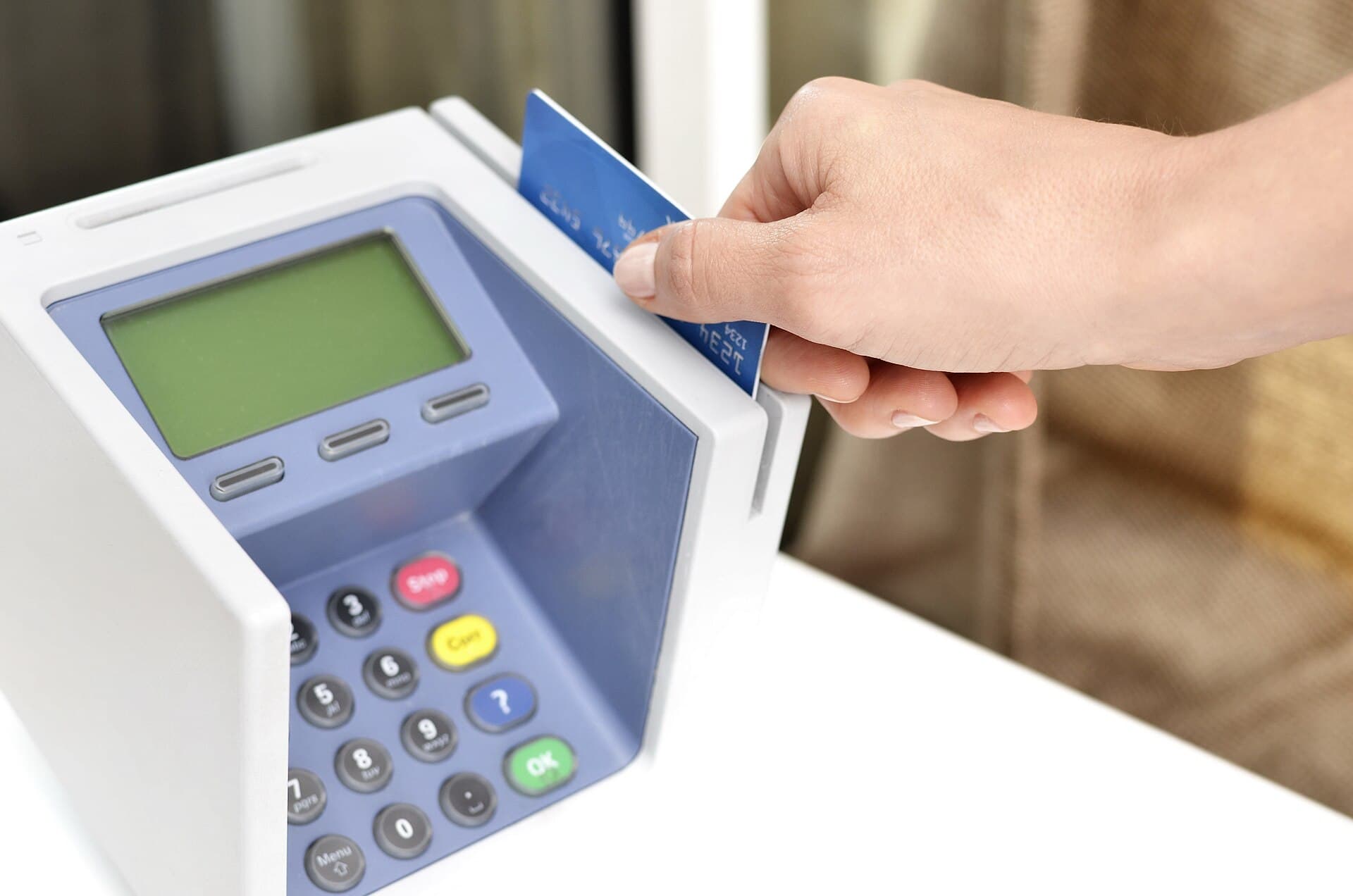
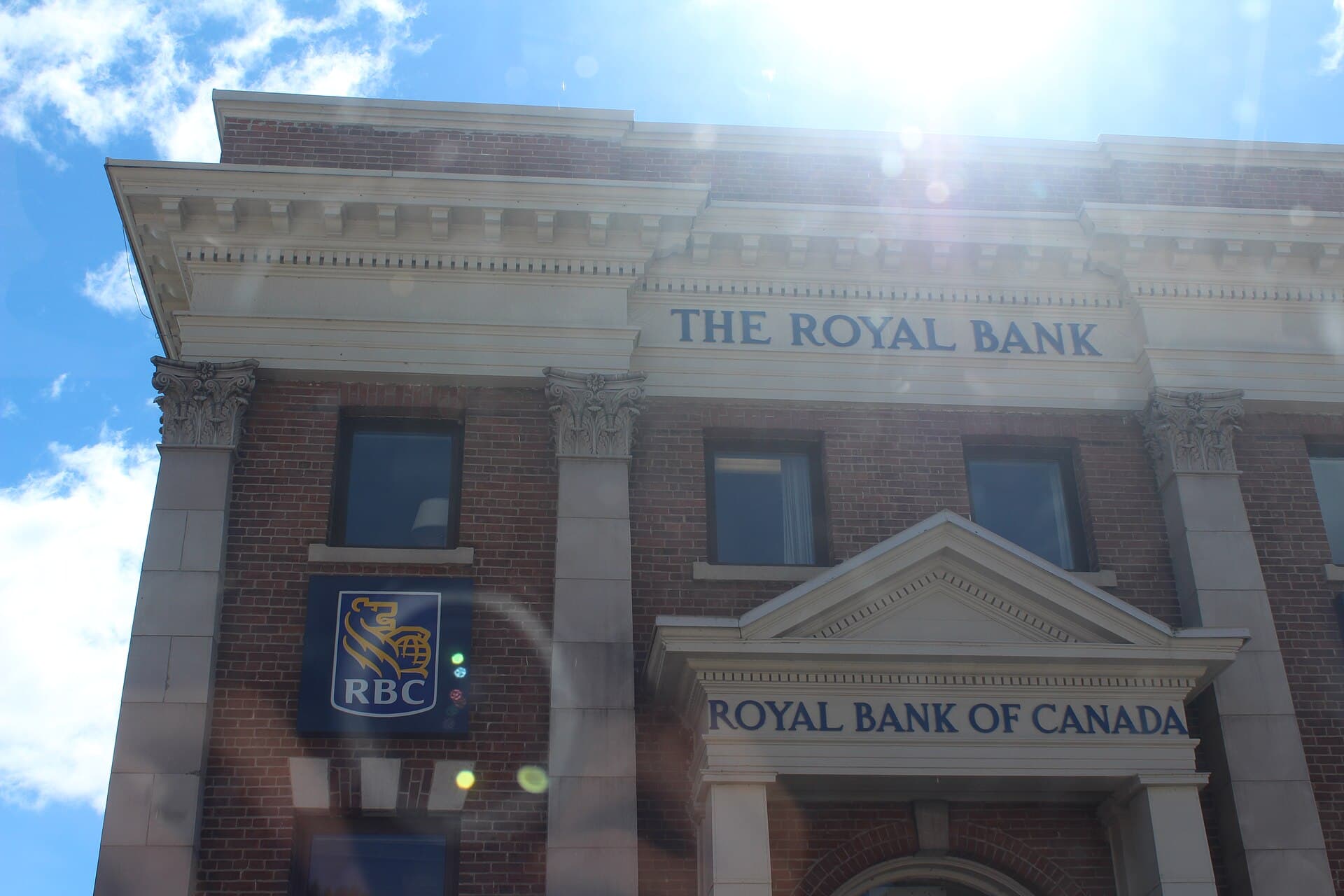
The currency is the Peruvian sol (PEN). Cards are accepted in hotels, restaurants and shops in cities and tourist areas, but carry cash for markets, taxis, rural areas and small purchases. US dollars are accepted at some tourist businesses but often at poor rates, and notes must usually be clean and undamaged. Use ATMs inside banks, and tip around ten percent in restaurants if service is not included.
For everyday spending, compare the best ways to pay while travelling and always choose the local currency when a terminal offers to convert (why).
Mobile data and eSIMs
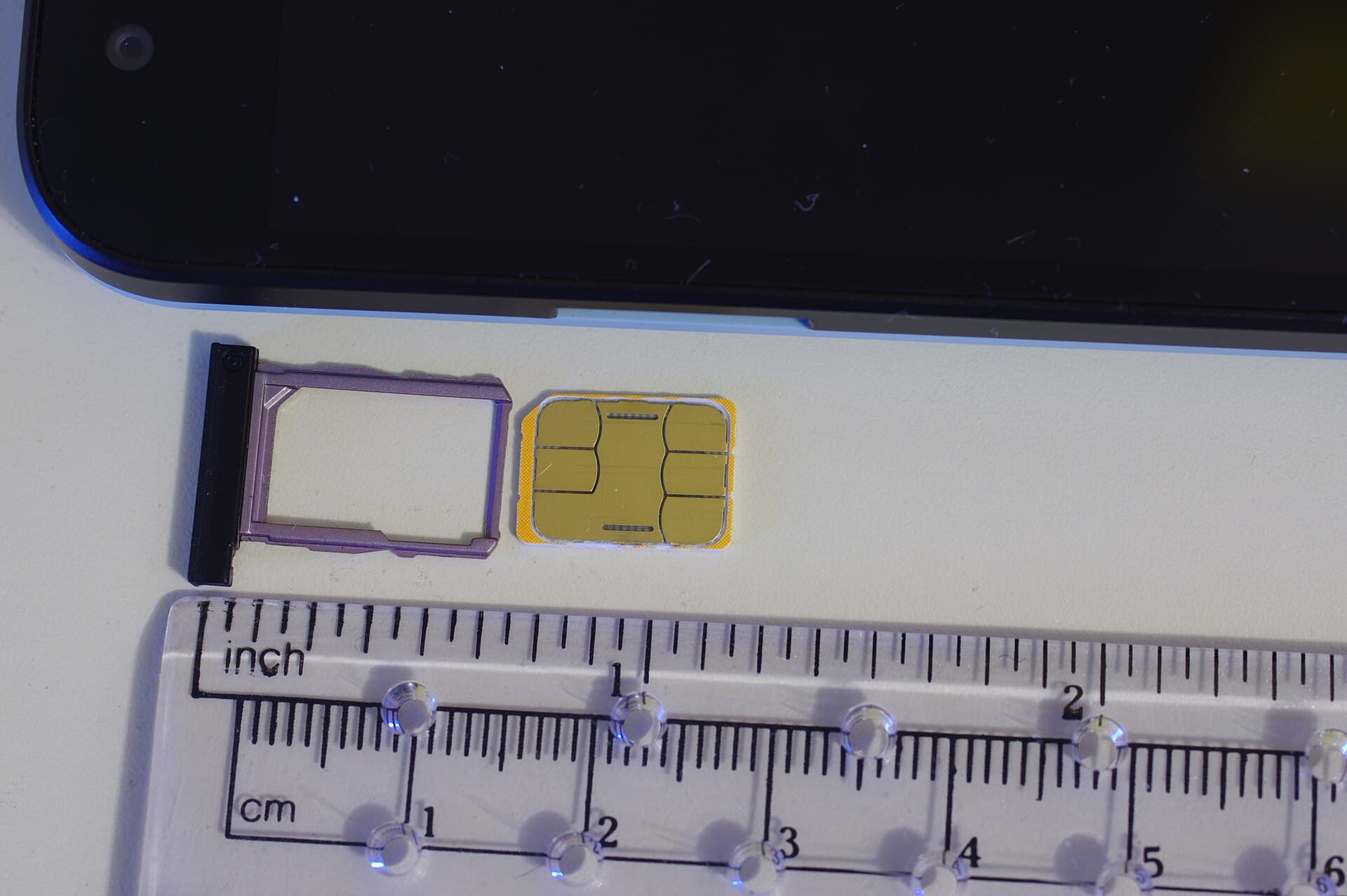
Claro, Movistar and Entel sell SIMs, and a travel eSIM works in cities and tourist areas. Coverage is limited in remote mountains and the Amazon. Download offline maps before trekking.
A travel eSIM avoids hunting for a SIM shop after a long flight. Use our eSIM Finder to estimate how much data you need.
Getting around
Domestic flights link Lima with Cusco, Arequipa and other cities, and they save long road trips. Long-distance buses are widely used and have different comfort levels, so choose reputable companies. Trains run to Machu Picchu from Ollantaytambo and Cusco area. Ride-hailing apps work in Lima and Cusco, and registered taxis are best. Peru drives on the right.
Safety and health
Petty theft is common in Lima and tourist spots, so keep bags close and use app-booked or registered taxis, especially at night. Protests and road blockades can disrupt travel, so check local news and have buffer days before flights. Take altitude seriously, and drink bottled or filtered water. Check government advice before you travel.
Things to do
- Machu Picchu and the Sacred Valley near Cusco
- The Inca Trail or an alternative trek, booked months ahead
- Lima's food scene in Miraflores and Barranco
- Arequipa and the Colca Canyon
- Lake Titicaca and the Amazon region
Airports
Lima (LIM) is the main gateway, and Cusco (CUZ) is the base for Machu Picchu. Many flights to Cusco are affected by weather, so keep schedule flexibility.
Local customs
Greet people politely, and ask before photographing locals, particularly in Andean communities. Coca tea is a popular altitude remedy, but there is no good evidence it works, it can show up in drug tests, and coca leaves cannot be taken across most international borders. Bargain politely in markets.
Emergency numbers
Police: 105. Fire: 116. Ambulance (SAMU): 106. A 911 line is being tested in Lima and Callao only.