
Overview
Nigeria is Africa's most populous country and one of its busiest travel and business markets. Lagos is a fast, loud and creative megacity, Abuja is the planned capital, and the country stretches from coastal beaches to savanna and rock landscapes. Most visitors arrive for business, family or events, and plan around traffic and logistics more than sightseeing.
Allow extra time for every journey, arrange airport pickup in advance and keep documents ready. A little preparation makes the first day far easier.
Entry requirements
Most nationalities need a visa, and it must be obtained before you travel. Visa on arrival is no longer available. Apply online through the Nigeria Immigration Service e-visa portal, where eligibility depends on your passport and purpose of travel. Citizens of ECOWAS states can generally enter without a visa. Before you fly, also complete the online landing card on the Nigeria Immigration Service landing and exit card portal.
You need proof of yellow fever vaccination to enter Nigeria, with exemptions for young infants and older adults. Check the current age rules with the official sources below and carry your certificate with your passport. Carry printed copies of your hotel booking, invitation letter if you have one, and return ticket.
Best time to visit
The dry season, roughly November to March, is the most comfortable for travel, with the dusty Harmattan wind in the north and centre around December to February. The south has a long rainy season from about April to October, when roads can flood. The national events calendar (Lagos Detty December, festivals, elections) can affect prices and traffic.
Money
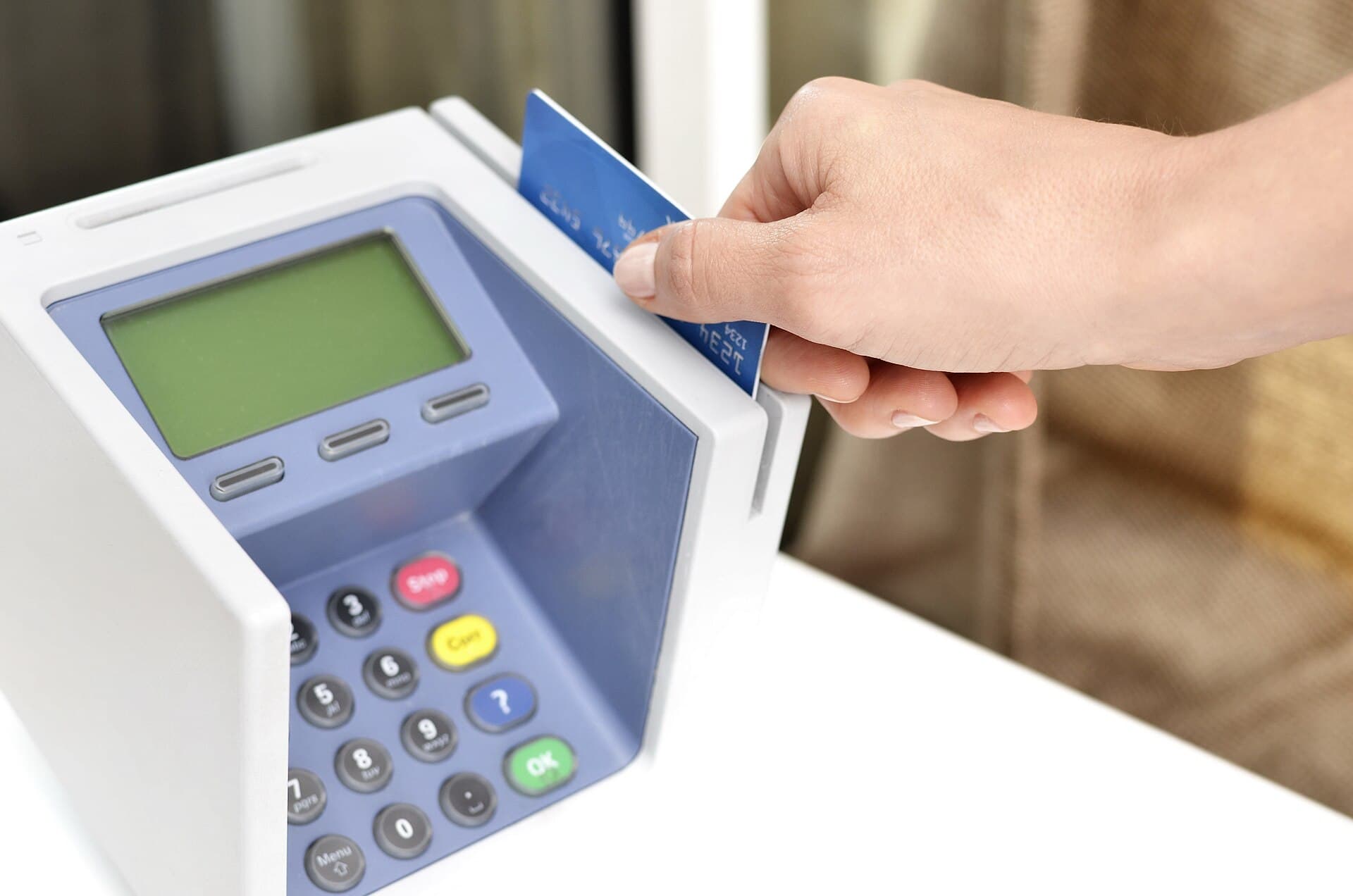
The currency is the naira (NGN). The exchange rate has moved sharply in recent years, so check a live rate before you change money and use banks, official bureaux or ATMs rather than street dealers. Card acceptance is good in upmarket hotels, malls and restaurants, but terminals can be unreliable and foreign cards are sometimes declined. Carry enough cash for taxis, markets and tips, and keep small notes.
For everyday spending, compare the best ways to pay while travelling and always choose the local currency when a terminal offers to convert (why).
Mobile data and eSIMs
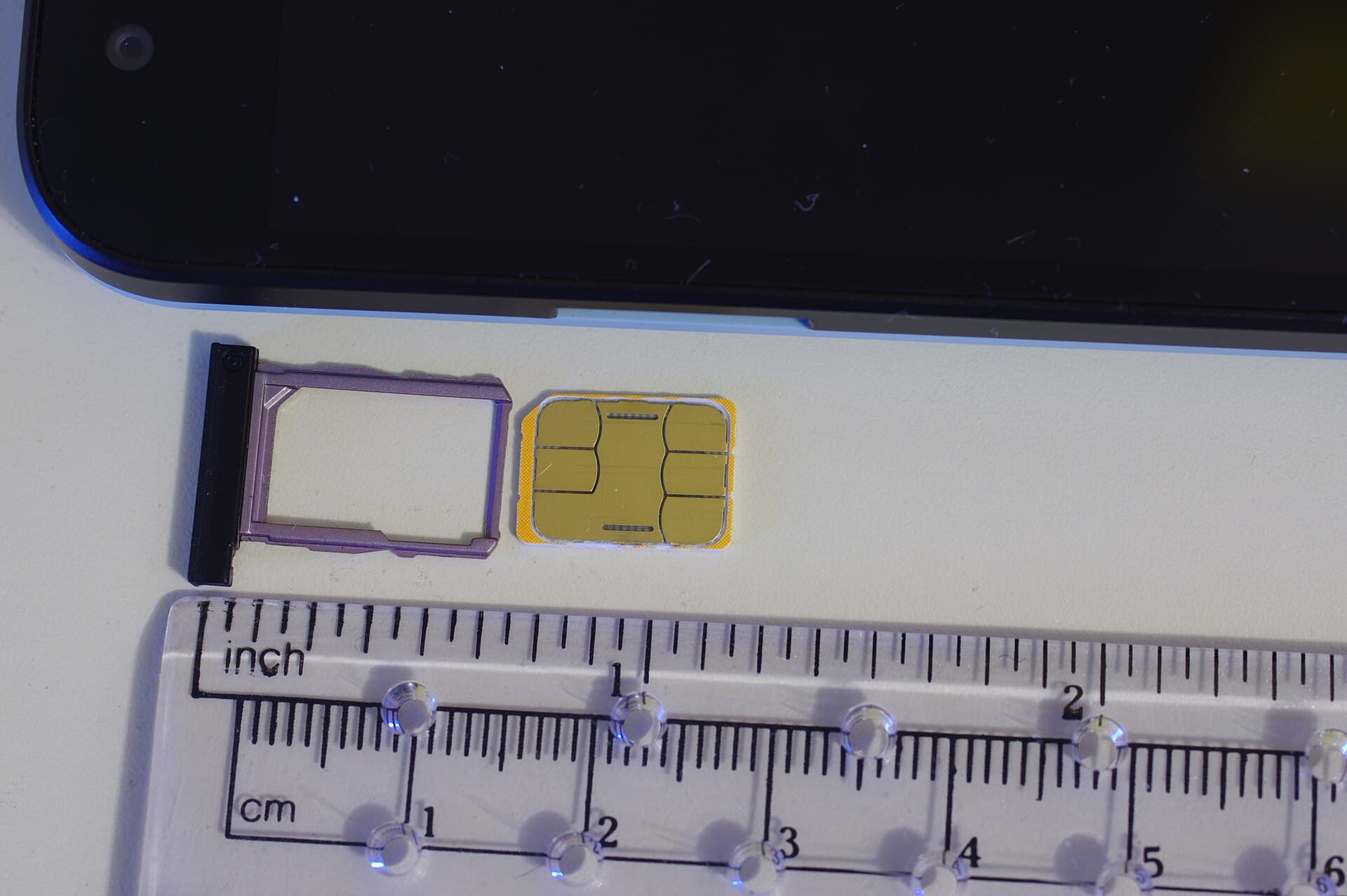
Local SIM cards from the main networks need registration with your passport and are easiest to buy from an official store. Coverage is strong in Lagos, Abuja and other cities. A travel eSIM installed before departure gives you data on arrival for ride-hailing and maps.
A travel eSIM avoids hunting for a SIM shop after a long flight. Use our eSIM Finder to estimate how much data you need.
Getting around
Lagos traffic is notorious, so plan for long transfers and avoid peak hours where you can. Ride-hailing apps and pre-booked drivers are the usual choices for visitors, and many hotels arrange airport pickup. Domestic flights link Lagos, Abuja, Port Harcourt and other cities. Nigeria drives on the right. Avoid road travel at night outside cities.
Safety and health
Government advice warns against travel to parts of Nigeria, so read the latest official advisory for the regions you plan to visit and follow it. In cities, keep valuables out of sight, use trusted transport and avoid walking after dark. Take malaria precautions and use bottled or filtered water. Register with your embassy if you are staying a while.
Things to do
- Lagos for beaches, nightlife, markets and the arts scene
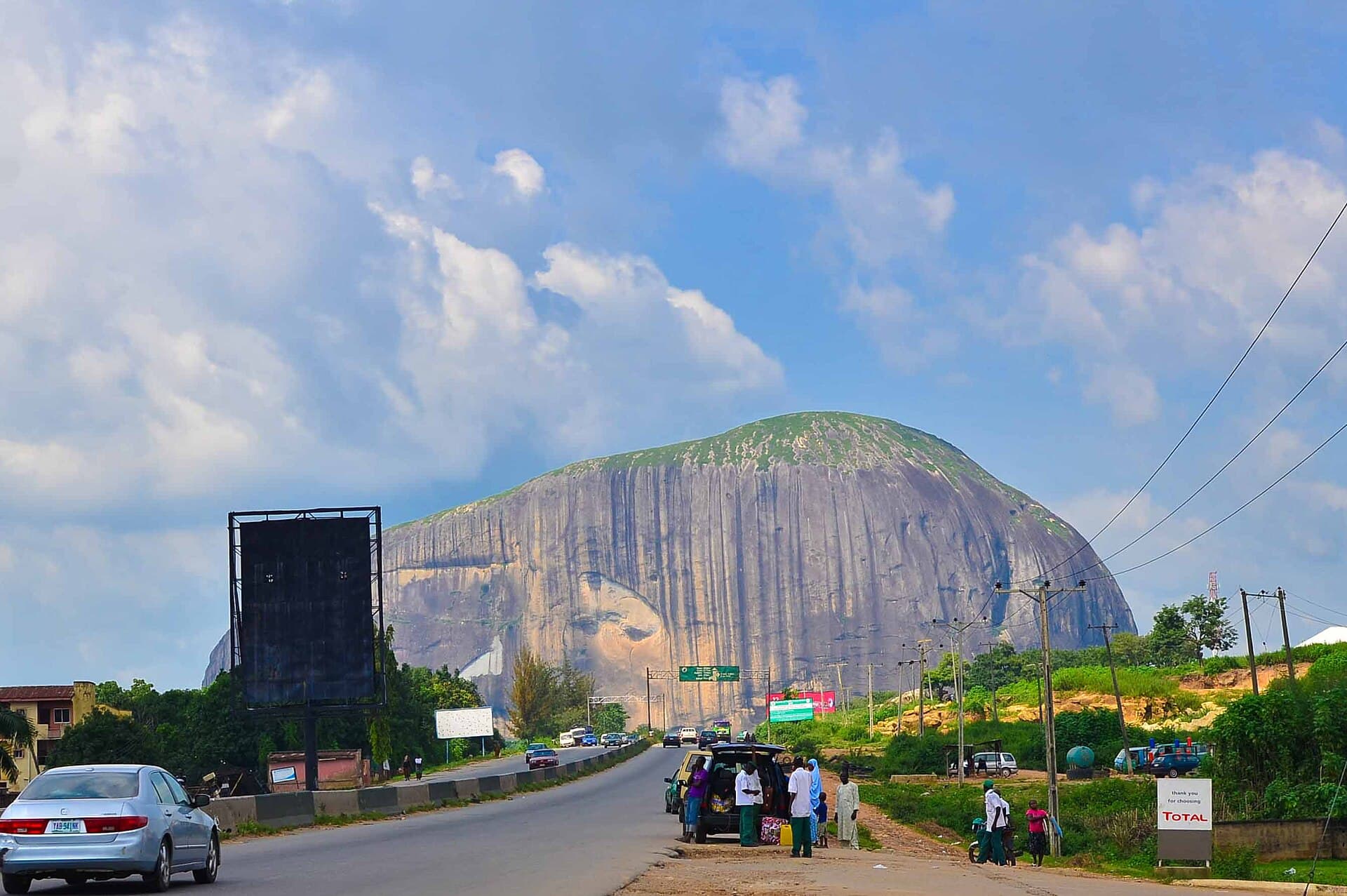
- Zuma Rock, just outside Abuja, and the National Mosque in the city
- Lekki Conservation Centre for a canopy walk
- Calabar for festivals and nearby forest reserves
- Yankari Game Reserve in the north-east, subject to current safety advice
Airports
Lagos (LOS) and Abuja (ABV) are the main international gateways, with Port Harcourt (PHC) for the oil-producing south. Arrange airport pickup, keep valuables in hand luggage and allow extra time for queues at immigration and baggage.
Local customs
Greetings matter, so say hello before asking a question and use titles where you can. Dress conservatively, especially in the north and when visiting religious sites. Tipping is not mandatory but is appreciated for good service. Ask before photographing people, government buildings or security personnel.
Emergency numbers
National emergency number: 112. Because response times vary, also keep your hotel and embassy contact details to hand.