
Overview
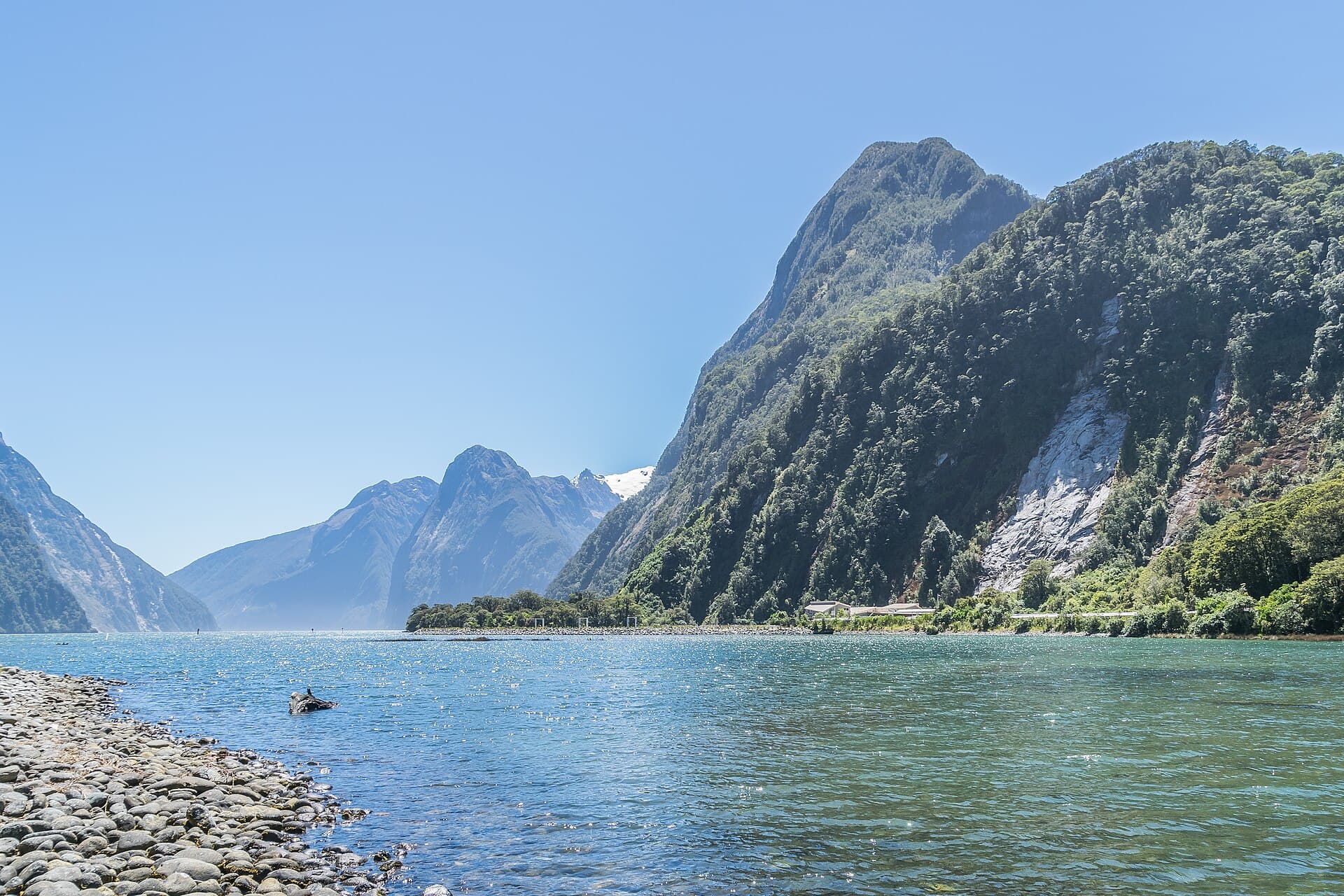
New Zealand packs mountains, fiords, volcanoes, beaches and Māori culture into two small islands. Auckland and Wellington are the big cities, Queenstown is the adventure capital, and Milford Sound, the Tongariro Crossing and Rotorua are among the headline sights.
Travel is easy and scenic but slower than the map suggests: roads wind, weather changes fast and distances take time. Book accommodation and walks early for summer.
Entry requirements
Visitors from visa-waiver countries, including the UK and EU member states, need an NZeTA before travel. It costs NZD 17 in the official app or NZD 23 on the website, plus the International Visitor Conservation and Tourism Levy (IVL) of NZD 100. UK passport holders can stay up to 6 months and most other visa-waiver visitors up to 3 months. South Africa, Zimbabwe, Nigeria, Kenya, Ghana and Zambia are not visa-waiver countries, so travellers on those passports need a visitor visa, and most applicants pay the IVL with it. Apply only through the official Immigration New Zealand website or app.
New Zealand has strict biosecurity. Declare food, plants, animal products and used outdoor gear such as boots and tents. Every traveller must complete the free New Zealand Traveller Declaration (NZTD) online or in the official app, from 24 hours before travel. A false or missing declaration brings an instant NZD 400 fine, and deliberate smuggling can mean fines up to NZD 100,000 or prison. Cleaning your gear before you fly avoids trouble.
Best time to visit
December to March is summer, with the warmest weather and the busiest hiking and campervan season, so book early. Autumn (March to May) is quieter and colourful, while winter (June to September) suits skiing in Queenstown and Wanaka. Weather can change quickly, so pack layers year-round.
Money
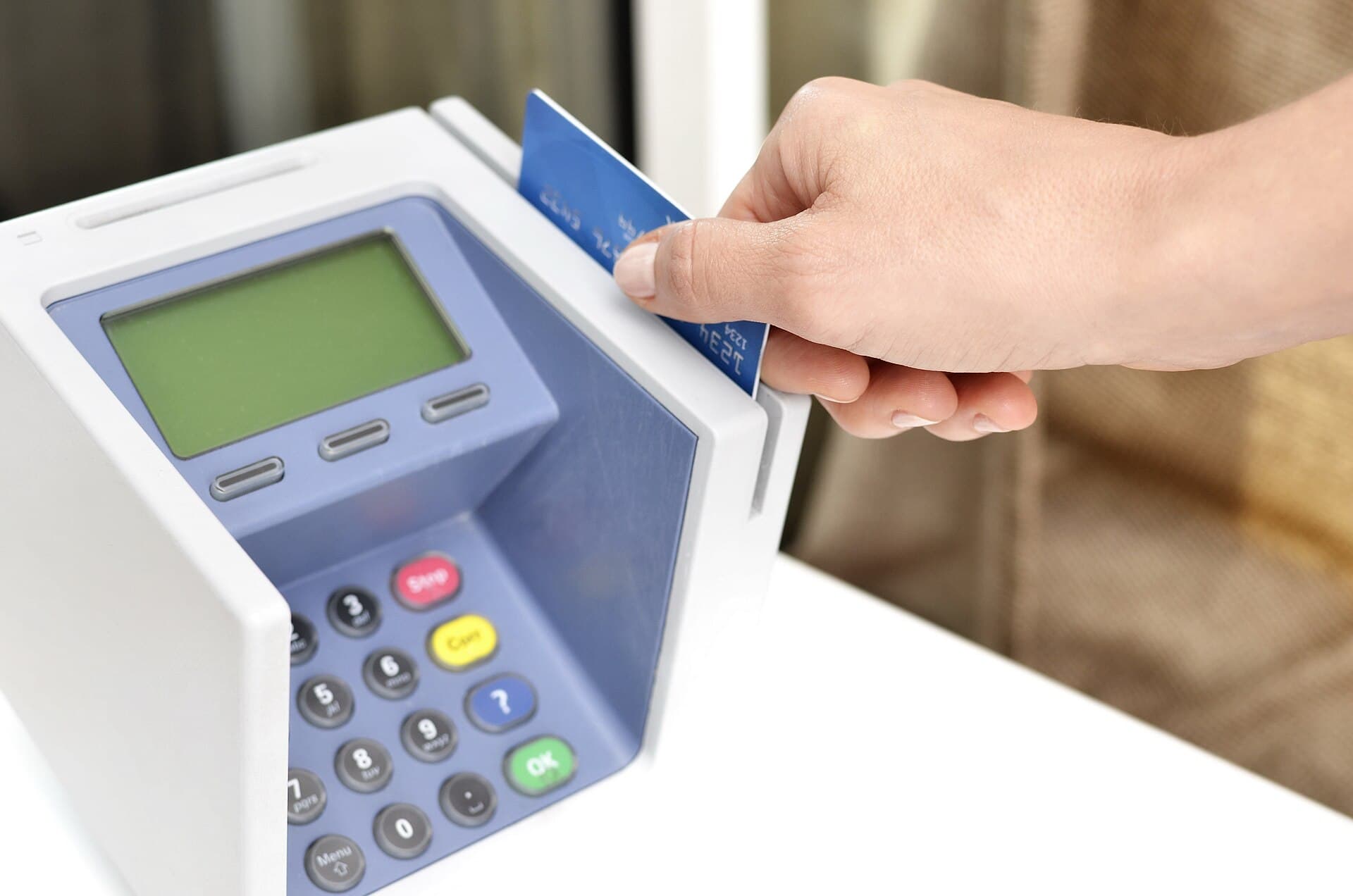
The currency is the New Zealand dollar (NZD). Cards and contactless are accepted almost everywhere, including in small towns. Tipping is not expected, though it is appreciated for exceptional service. Prices can be high, particularly in tourist areas, and shops in small towns may close early.
For everyday spending, compare the best ways to pay while travelling and always choose the local currency when a terminal offers to convert (why).
Mobile data and eSIMs
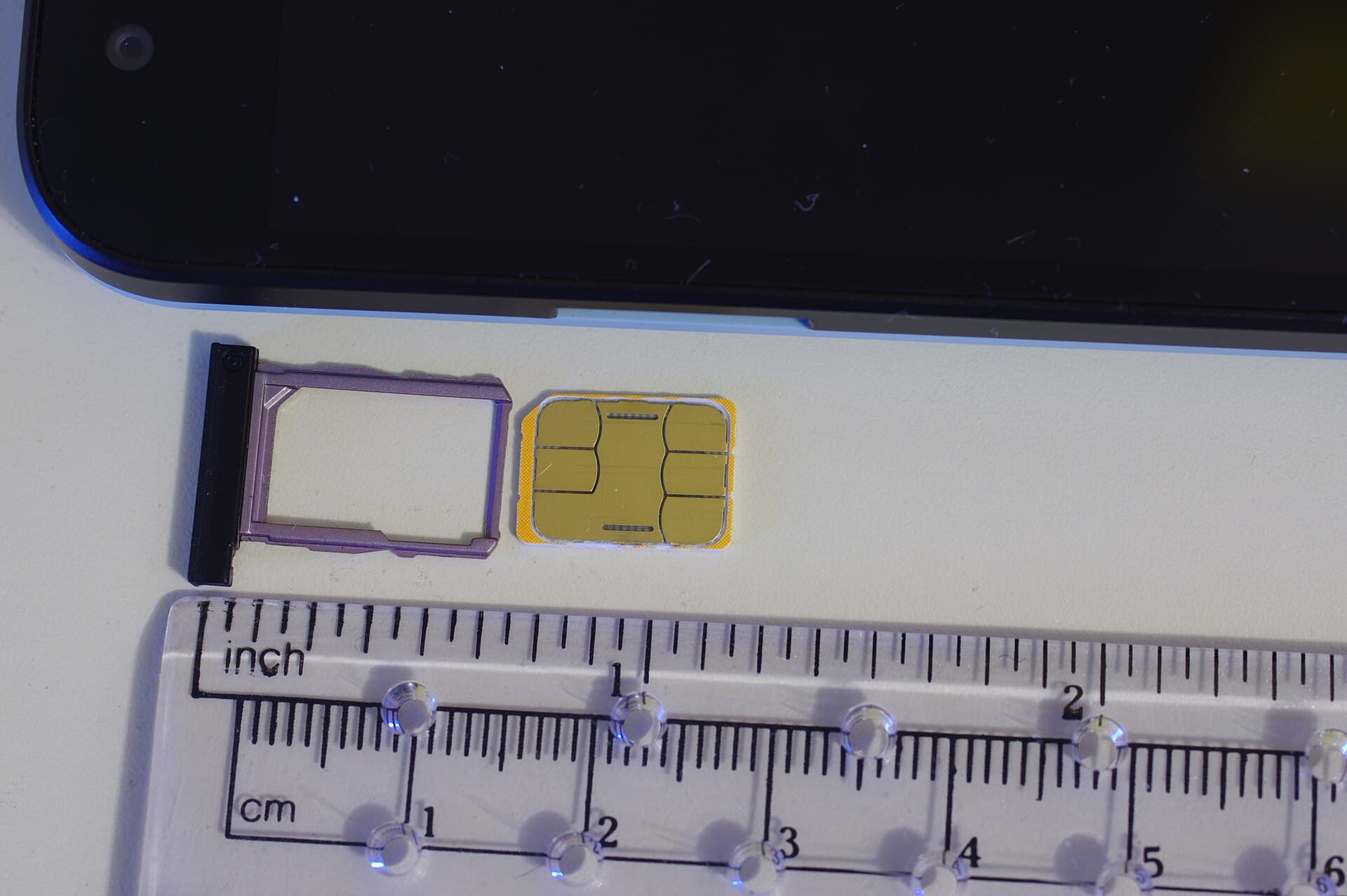
Spark, One NZ and 2degrees sell prepaid SIMs, and a travel eSIM is a quick option. Coverage is good in towns and along main roads and drops out in mountains and national parks.
A travel eSIM avoids hunting for a SIM shop after a long flight. Use our eSIM Finder to estimate how much data you need.
Getting around
Domestic flights link the main cities and Queenstown, and a ferry crosses Cook Strait between the islands. Campervans and car hire are the classic way to travel. New Zealand drives on the left, and many roads are narrow, winding and single-lane at bridges, so allow extra time and avoid driving tired.
Safety and health
New Zealand is considered very safe, but the outdoors demands respect: mountain weather changes fast, rivers can rise quickly and the sun is strong. Register your hiking plans, carry the right gear and follow Department of Conservation guidance. Earthquakes and volcanic activity occur, so learn local advice.
Things to do
- Milford Sound and Fiordland National Park
- Queenstown for adventure sports and scenery
- Tongariro Alpine Crossing
- Rotorua's geothermal parks and Māori cultural experiences
- Auckland's harbour and islands, and Wellington's culture
Airports
Auckland (AKL) is the main international gateway, with Christchurch (CHC) serving the South Island and Wellington (WLG) the capital. Declare outdoor gear and food on arrival, and expect biosecurity inspections.
Local customs
Kiwis are relaxed and friendly. Respect Māori culture, such as not sitting on tables and being respectful at marae. Take rubbish with you, and stick to marked tracks. Weather talk is a good ice-breaker.
Emergency numbers
Police, fire and ambulance: 111.