
Overview
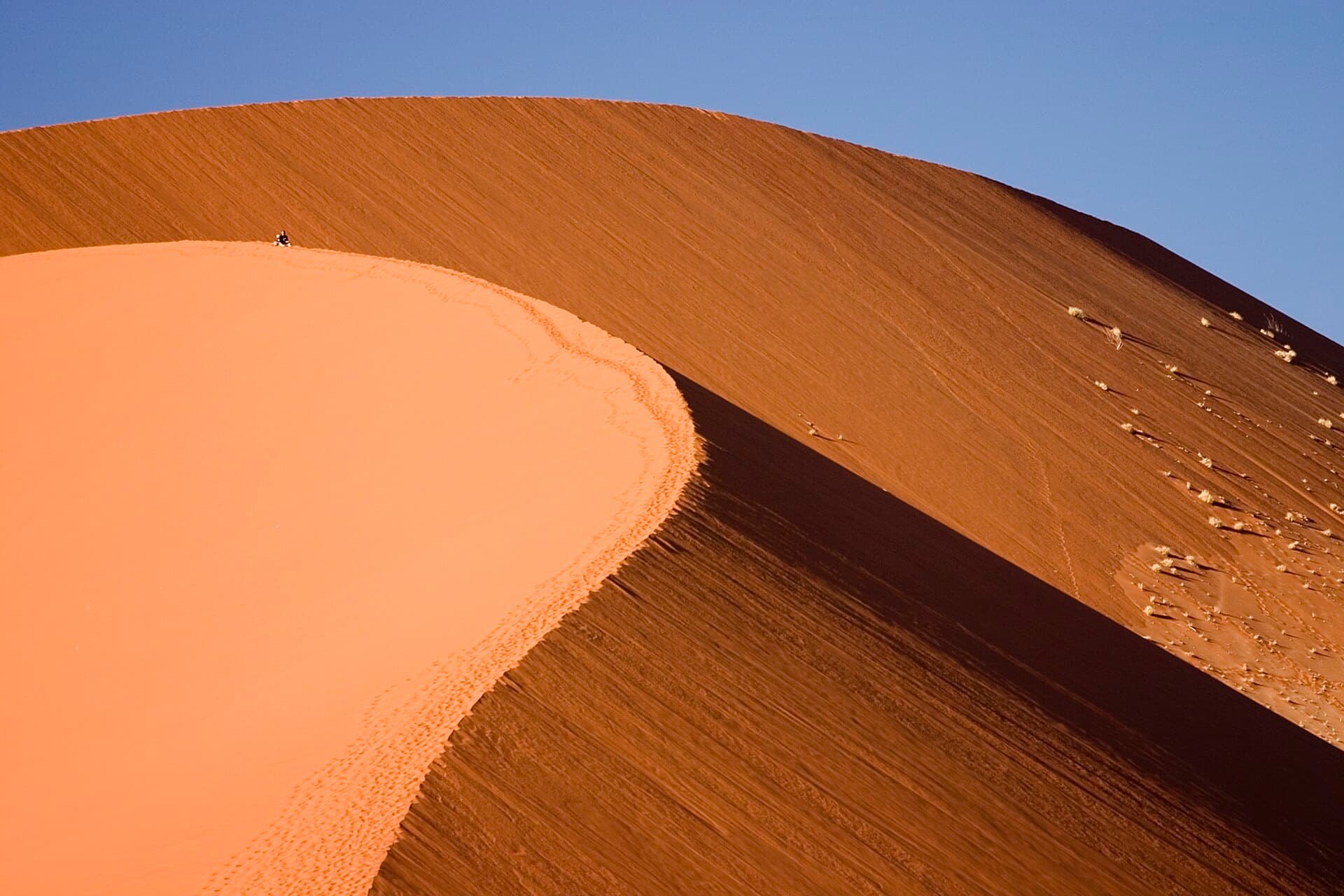
Namibia is a self-drive country: huge skies, red dunes at Sossusvlei, the wildlife of Etosha, the Skeleton Coast and German-colonial towns such as Swakopmund. It is one of the least densely populated countries in the world, which means long gravel distances and very little between fuel stops.
Plan fewer stops with more time at each. Book park camps and lodges early for the dry season, and build in time for slow roads.
Entry requirements
UK government guidance says your passport must be valid for at least six months after arrival and carry at least three blank pages. British citizens have needed a visa since 1 April 2025. It can be bought on arrival or applied for online as an e-visa, at 1,600 Namibian dollars for adults and children over 11, 800 for children aged 6 to 11, and free under 6.
Other passports have different rules. Namibia's embassy lists South African, Zimbabwean, Zambian and Kenyan passport holders as visa-exempt, while Nigerian and Ghanaian travellers are not on that list, so check the official Namibian e-visa portal for your passport before you book. Yellow fever proof is needed if you arrive from a risk country. Carry full birth certificates for children, and parental consent affidavits where both parents are not travelling.
If you are driving up from South Africa, our South Africa brief covers the departure side.
Best time to visit
May to October is dry and cool, with the best wildlife viewing at Etosha's waterholes and cold desert nights. November to April is hotter, with rains mainly from January to April that can wash out gravel roads. The coast is cool and foggy most of the year.
Money
The currency is the Namibian dollar (NAD), pegged one-to-one to the South African rand, and rand is widely accepted. Cards work in towns, fuel stations and lodges, but carry cash for remote stops. UK government guidance warns of card skimming at some hotels and lodges, so check your statements, and advises against changing large sums of money in busy public areas.
For everyday spending, compare the best ways to pay while travelling and always choose the local currency when a terminal offers to convert (why).
Mobile data and eSIMs
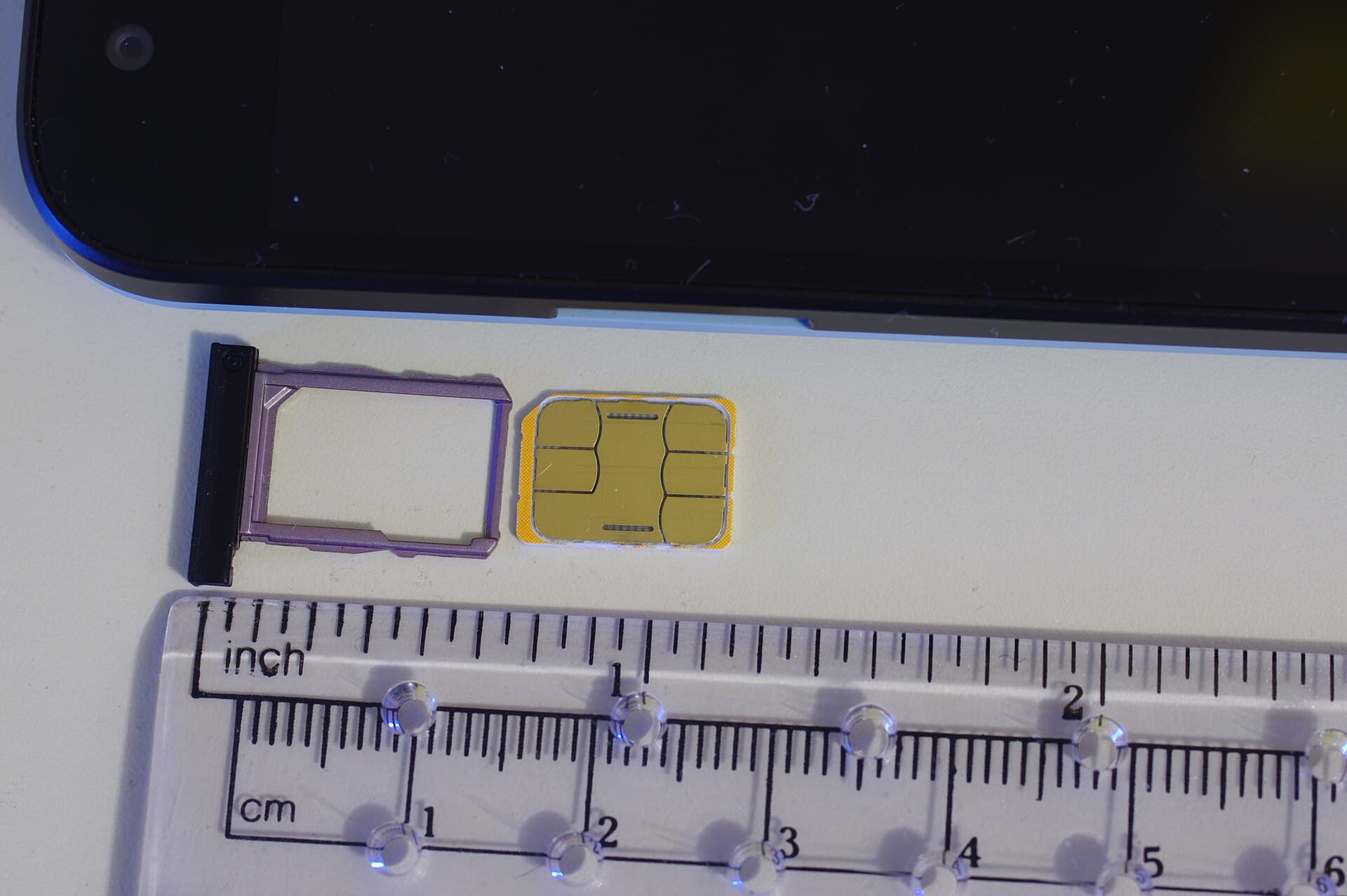
Coverage is good in Windhoek, Swakopmund, Walvis Bay and along main roads, and absent across large stretches of desert and many parks. Download offline maps and tell your lodge your route. Use our eSIM Finder to estimate how much data you need.
Getting around
Namibia drives on the left. A 4x4 or high-clearance car is best for gravel. UK government guidance advises keeping to 80 km/h on poor roads, carrying two spare tyres and water, and avoiding night driving outside towns because of wildlife and livestock. Gravel roads deteriorate in the rainy season. Check your hire insurance carefully, as many policies exclude single-vehicle accidents. Do not leave a vehicle unattended at fuel stops.
Safety and health
Muggers target tourists in Windhoek and attacks can be violent, so keep valuables hidden, use hotel safes and use hotel-recommended taxis rather than hailing one. Keep doors locked in traffic. Photographing government buildings or the President's residence can lead to detention, and wildlife trafficking and drug offences carry severe penalties.
Malaria risk exists in parts of northern Namibia, so take medical advice before travel. The desert sun and heat are serious risks; carry extra water.
Things to do
- Dune 45, Deadvlei and Sossusvlei
- Etosha National Park game drives
- Swakopmund adventure activities and the coast
- Fish River Canyon in the south
- Damaraland and the Skeleton Coast
Airports
Hosea Kutako (WDH) lies east of Windhoek, so allow time for the road transfer, and is the main international gateway. Walvis Bay (WVB) serves the coast, and Eros (ERS) handles light aircraft and domestic charters. Many visitors enter by road from South Africa or Botswana.
Local customs
Greet people politely and ask before photographing individuals, especially in Himba and other communities. Tip guides, drivers and waiters. Keep to marked tracks in parks and the desert, as vegetation recovers slowly.
Emergency numbers
Police: 10111. Ambulance and fire numbers vary by town, so ask your accommodation on arrival.