
Overview
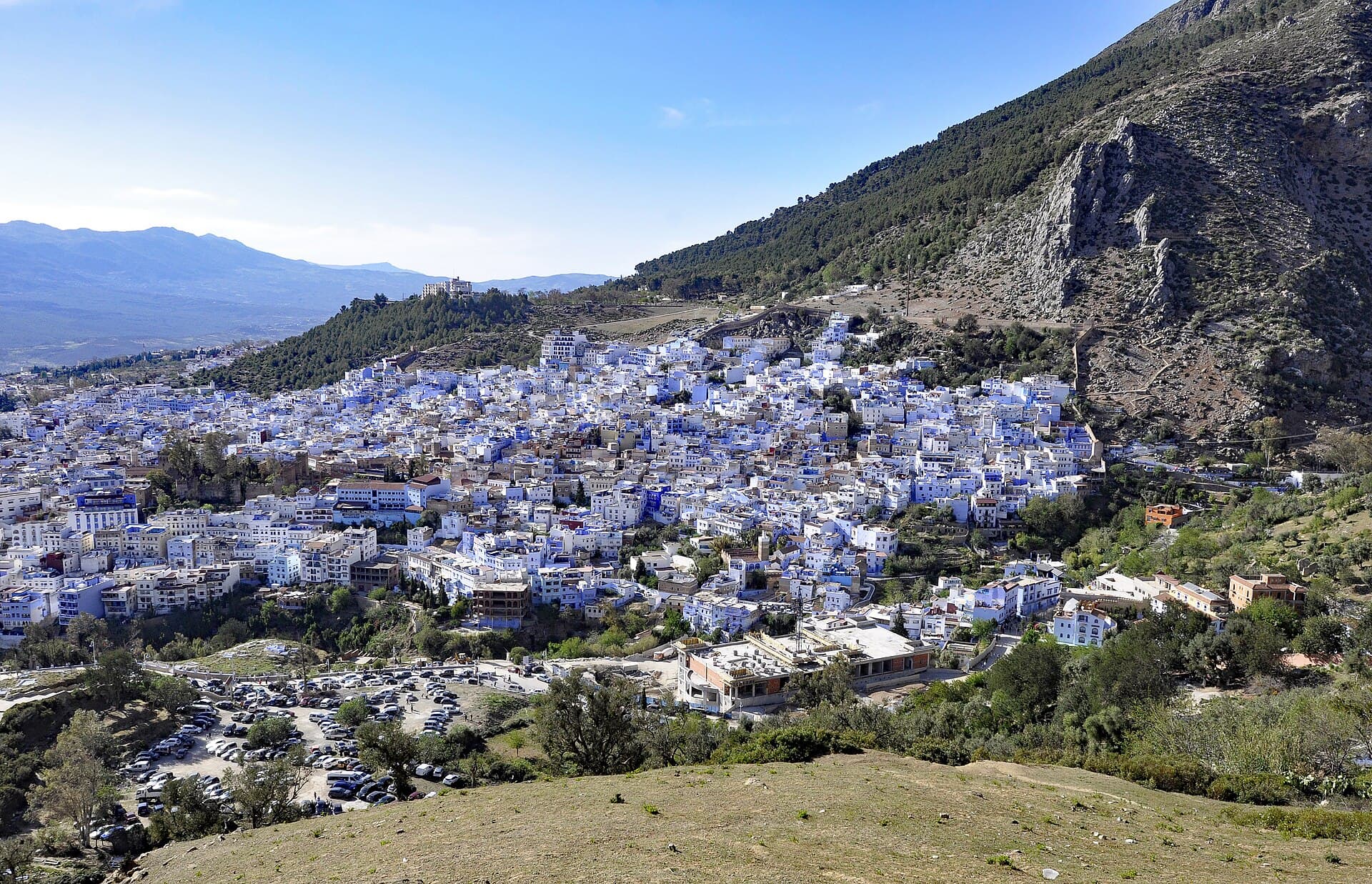
Morocco compresses a lot into a short flight from Europe: the souks of Marrakech, the medieval medina of Fes, blue-washed Chefchaouen, Atlantic surf towns and the Sahara dunes beyond the Atlas mountains. It suits first-time visitors to North Africa and repeat travellers alike.
Expect to haggle, to be approached by guides in the medinas and to eat very well. A little preparation about money, transport and etiquette removes most of the friction.
Entry requirements
Many nationalities can enter visa-free for a short stay. Some need an electronic travel authorisation (AEVM), and others need a full visa, though an e-visa may be open to them if they hold a qualifying visa or residence permit. Rules vary by passport, so check the official site rather than relying on a third party. Passport validity rules differ by nationality: the UK asks for at least three months beyond arrival, the US advises six. Keep a blank page for the entry stamp.
Border officials stamp your passport on arrival, so keep your hotel details accessible. Be cautious with unofficial e-visa sites that add fees.
Best time to visit
March to May and September to November are the most comfortable times, with warm days and cooler nights. Summer is very hot in Marrakech and the interior, while the Atlantic coast stays cooler. Winter can be cold in the mountains and the desert at night, and snow is possible in the Atlas.
Money
The currency is the Moroccan dirham (MAD), and it is a closed, restricted currency. Cards work in hotels, restaurants and larger shops, but cash is essential in souks, taxis and small cafés. Use bank ATMs, withdraw the local currency and keep your exchange receipts, since you may need them to convert unspent dirhams. Tipping is customary in restaurants, and small coins are welcome for services. Bargaining is expected in souks.
For everyday spending, compare the best ways to pay while travelling and always choose the local currency when a terminal offers to convert (why).
Mobile data and eSIMs
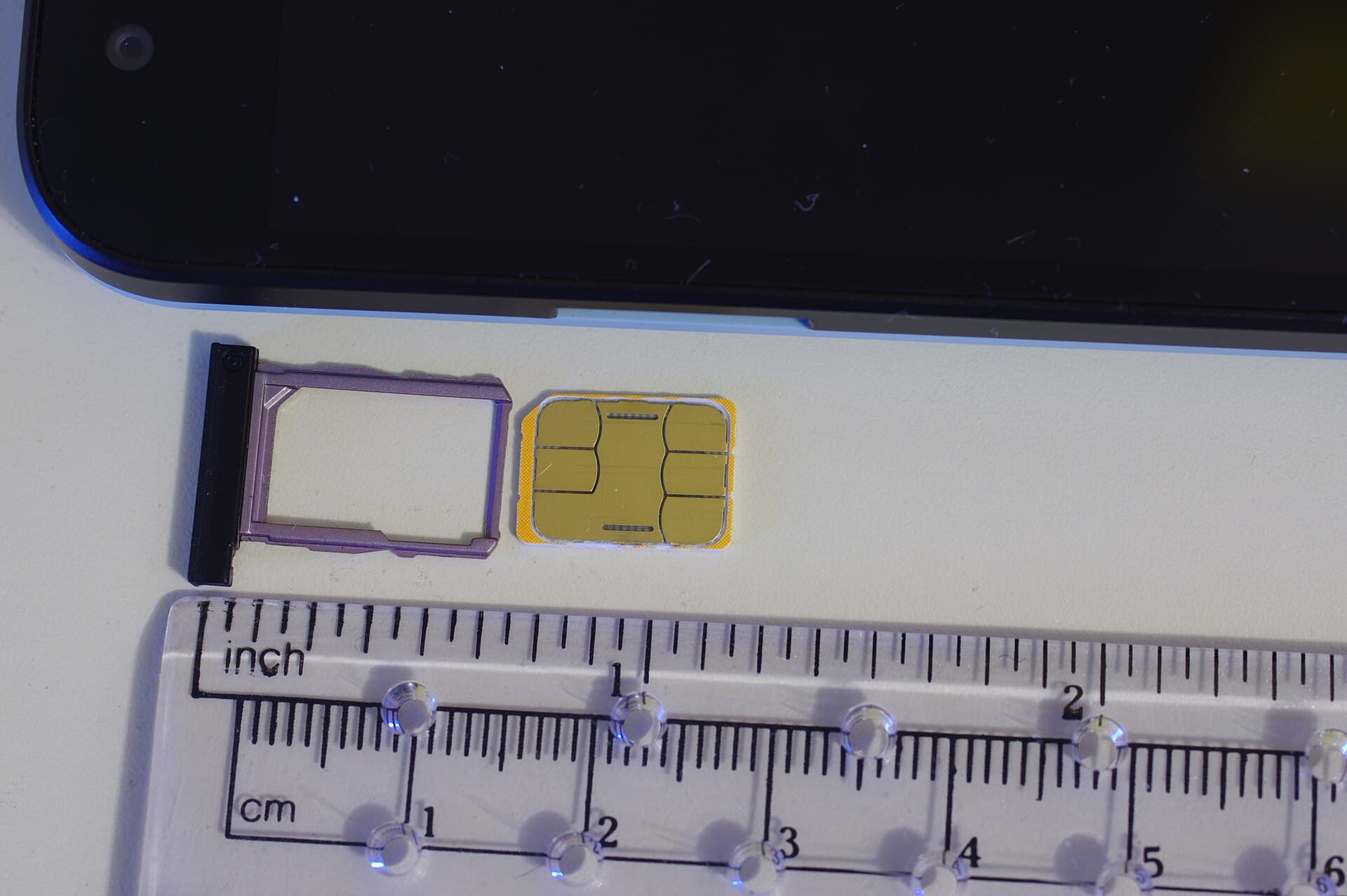
Maroc Telecom, Orange and inwi sell SIM cards at the airport and in shops with passport registration. Coverage is good in cities and along main routes and thinner in the mountains and desert. A travel eSIM avoids the queue on arrival.
A travel eSIM avoids hunting for a SIM shop after a long flight. Use our eSIM Finder to estimate how much data you need.
Getting around
Trains connect Casablanca, Rabat, Fes, Tangier and Marrakech, including the high-speed Al Boraq line between Tangier and Casablanca. Petits taxis serve cities and should use meters, while grands taxis run fixed routes between towns. Ride-hailing apps operate, but the UK government warns that many such cars may be unlicensed or uninsured. Morocco drives on the right. Desert and mountain trips are usually best with an organised tour.
Safety and health
Expect persistent touts and unofficial guides in medinas: a firm, polite refusal works. Agree taxi prices or insist on the meter, and keep valuables out of sight in crowded areas. Women travelling alone may experience unwanted attention, so dress modestly and trust your instincts. Check government advice for the regions you plan to visit.
Things to do
- Marrakech's medina and Jemaa el-Fnaa square
- Fes el-Bali, one of the world's largest car-free urban areas
- Chefchaouen's blue streets
- A trip to the Sahara at Merzouga or Zagora
- Essaouira and the Atlantic coast
Airports
Casablanca (CMN) is the main international hub, with Marrakech (RAK) and Tangier (TNG) also receiving many European flights. Arrange a transfer or use official taxi queues.
Local customs
Dress modestly, particularly outside the resorts, and respect Ramadan by avoiding eating and drinking openly during the day. Ask before photographing people. Alcohol is available in licensed venues but not widely in local cafés. Use the right hand for eating and greeting.
Emergency numbers
Police: 19 from a landline or 190 from a mobile. Gendarmerie (rural): 177. Ambulance and fire: 15, or 150 from a mobile.