
Overview
Mexico offers world-class food, deep history and very different regions: Mexico City's museums and neighbourhoods, Oaxaca's culture, Yucatán's Maya ruins and cenotes, Caribbean beaches near Cancún and Tulum, and Pacific coast resort towns. It is close and well connected to North America and Europe, and good value outside peak resorts.
Safety conditions vary by state, so research your exact route rather than relying on a single national view. Travel with sensible habits, and Mexico is rewarding.
Entry requirements
UK and EU passport holders can enter as tourists without a visa. South Africa, Zimbabwe, Nigeria, Kenya, Ghana and Zambia are on Mexico's visa-required list. The big exception: any nationality holding a valid multiple-entry visa from the US, Canada, the UK, Japan or a Schengen state, or permanent residence there (or in Chile, Colombia or Peru), can visit for tourism, business or transit without a Mexican visa. Carry that visa or residence card with your passport. Everyone else applies at a Mexican consulate. The border officer decides how long you may stay, up to 180 days.
Every visitor needs the immigration form (FMM). At the automated e-gates in major airports you get a ticket with a QR code to download your digital FMM. Keep it, and the ticket, until you leave, since you may be asked for them at departure. Heading to Cancún, Tulum or Playa del Carmen? Quintana Roo also charges foreign visitors a state tourist tax (VISITAX) of a few hundred pesos, so check the current amount on the official site. Rules and forms change, so check the official immigration institute site.
Best time to visit
November to April is the best period, with dry weather and comfortable temperatures. The rainy season, roughly May to October, brings afternoon storms in many regions, and hurricane season affects the coasts from about June to November. Mexico City's altitude means cool nights even in warm months.
Money
The currency is the Mexican peso (MXN). Cards are widely accepted in cities and resorts, but cash is needed in markets, taxis and rural areas. Use ATMs inside banks, shopping centres or hotels, and decline the machine's conversion. A tip (propina) of around 10 to 15 percent is customary at restaurants, with small tips for baggage handlers and hotel staff. Pay in pesos rather than dollars.
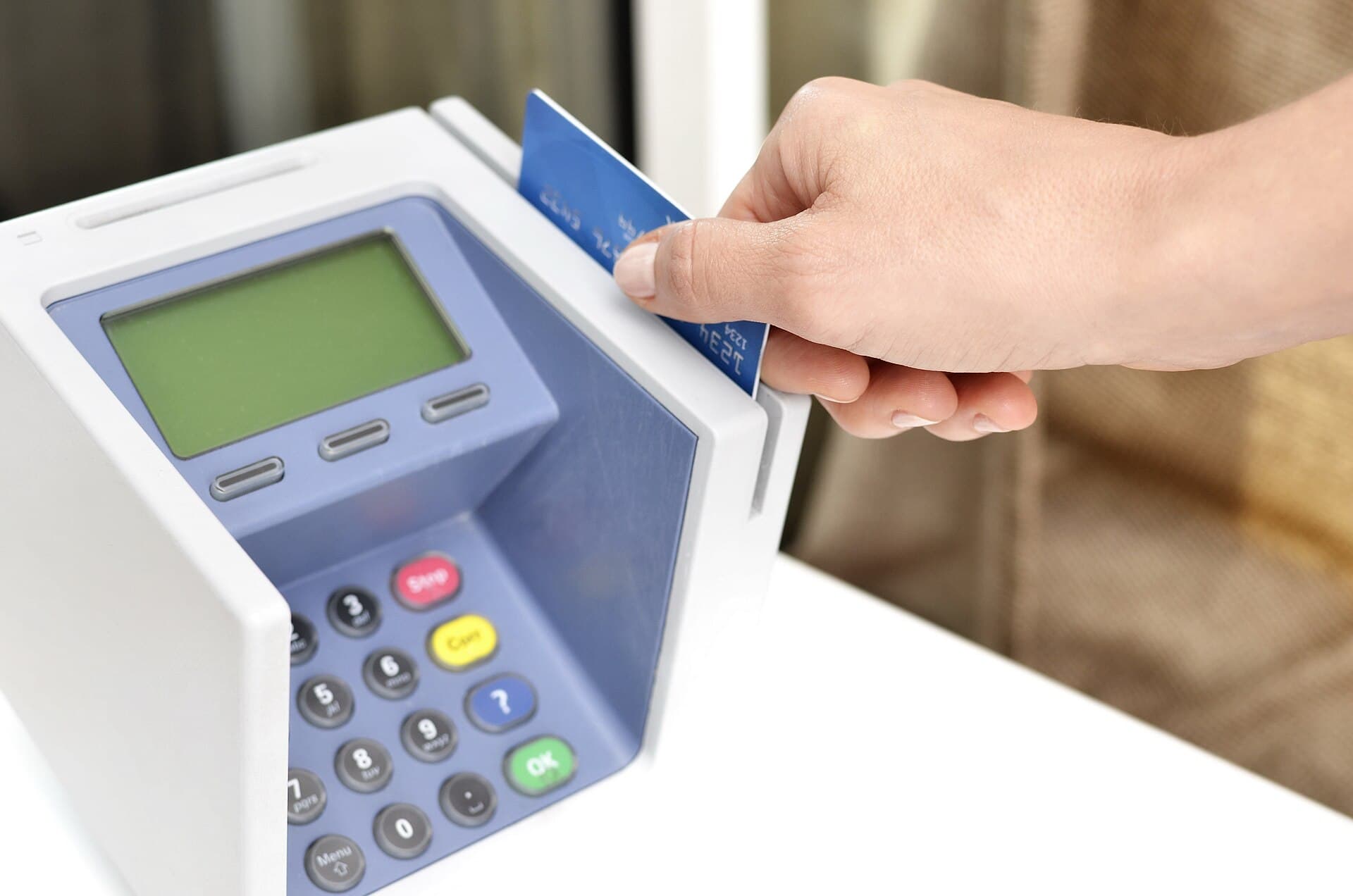
For everyday spending, compare the best ways to pay while travelling and always choose the local currency when a terminal offers to convert (why).
Mobile data and eSIMs
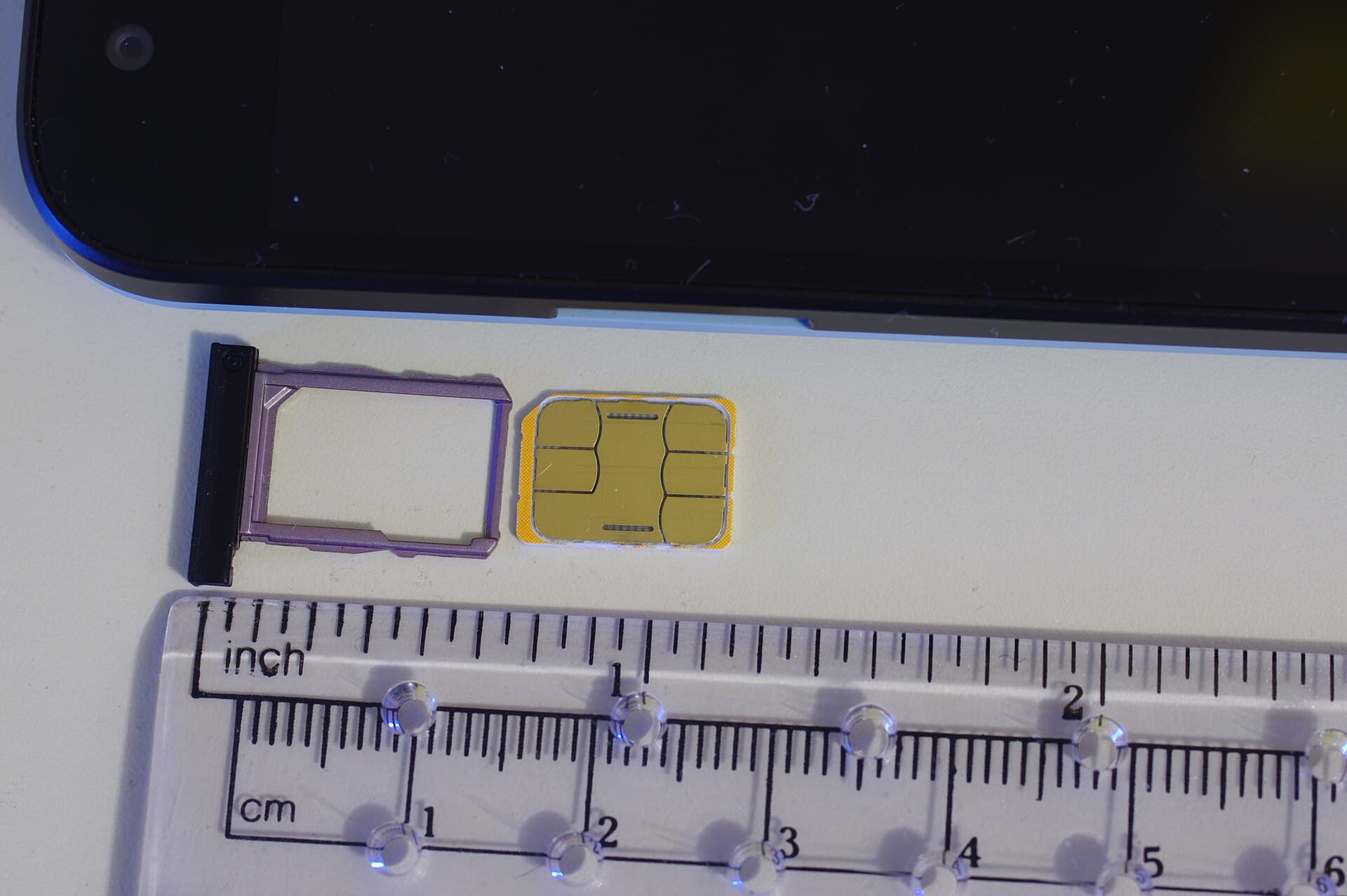
Telcel, AT&T Mexico and Movistar sell SIMs, and a travel eSIM is simple for arrival. Coverage is good in cities and along main roads, and weaker in remote areas.
A travel eSIM avoids hunting for a SIM shop after a long flight. Use our eSIM Finder to estimate how much data you need.
Getting around
Mexico City has a metro, buses, and ride-hailing apps that are widely used, and long-distance buses (such as ADO) are comfortable and cheap. Domestic flights save time on long routes. Car hire is useful on the Yucatán peninsula but check insurance and avoid driving at night. Mexico drives on the right.
Safety and health
Safety varies by state and region, and the government of your country will publish current advice by area. Use licensed or app-booked taxis, keep your phone and valuables out of sight and avoid isolated areas at night. Drink bottled or filtered water, and take care with street food on arrival. Mexico City sits at about 2,200 metres, so take it slowly on the first day.
Things to do
- Mexico City's historic centre, Frida Kahlo Museum and Teotihuacán
- Oaxaca's markets, mezcal and food culture
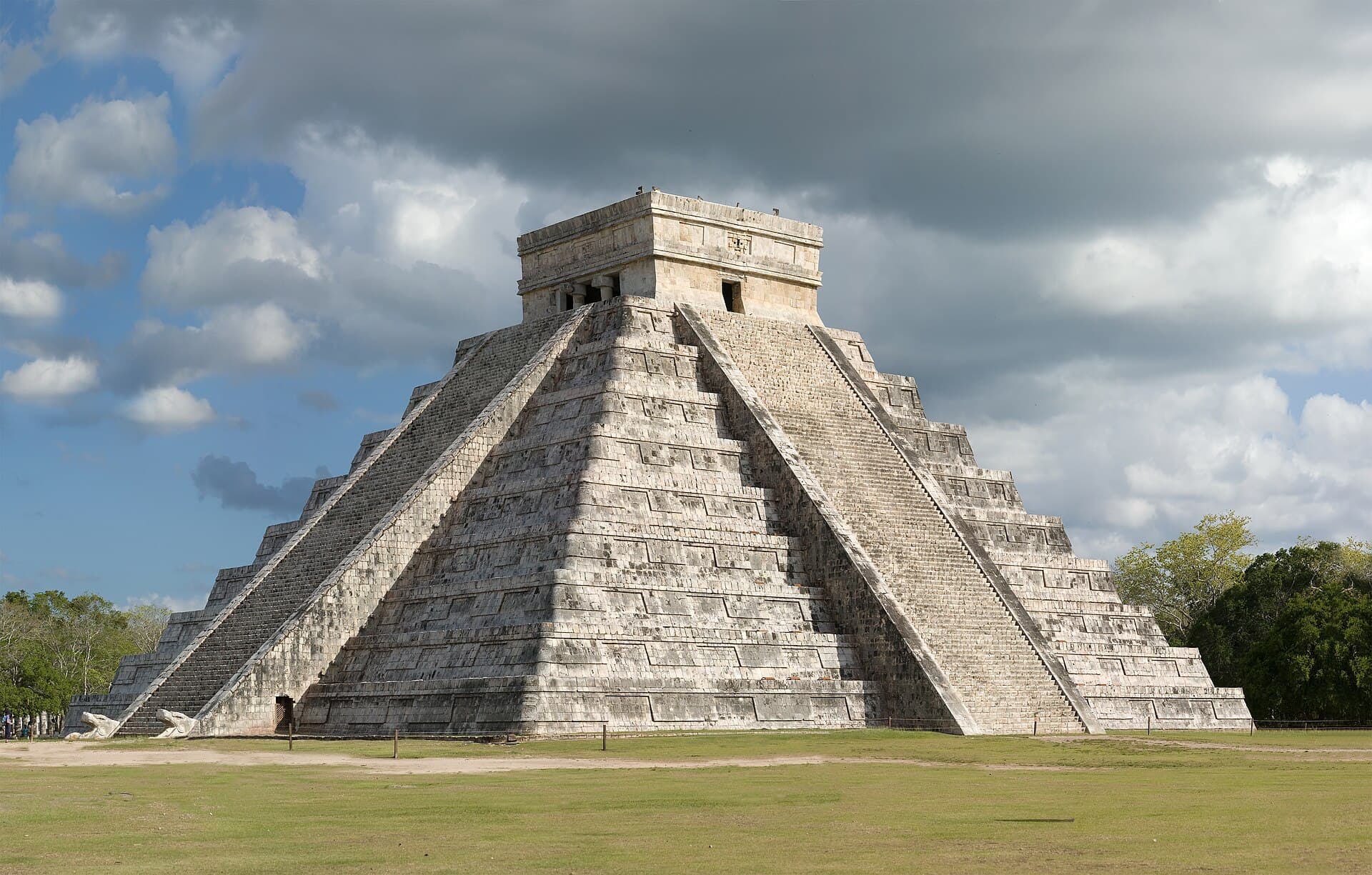
- Chichén Itzá and the cenotes of the Yucatán
- Tulum, Playa del Carmen and Cancún on the Caribbean coast
- Guadalajara and the tequila region
Airports
Mexico City (MEX) and Cancún (CUN) are the main international gateways, and Guadalajara (GDL) serves the west. Use official taxi stands or app-booked rides at the airport, and avoid unofficial offers in the terminal.
Local customs
Greet people with buenos días and be polite. Meals are unhurried, and lunch is the main meal. Dress modestly in churches, and expect restaurants to be busy later in the evening.
Emergency numbers
Police, fire and ambulance: 911.