
Overview
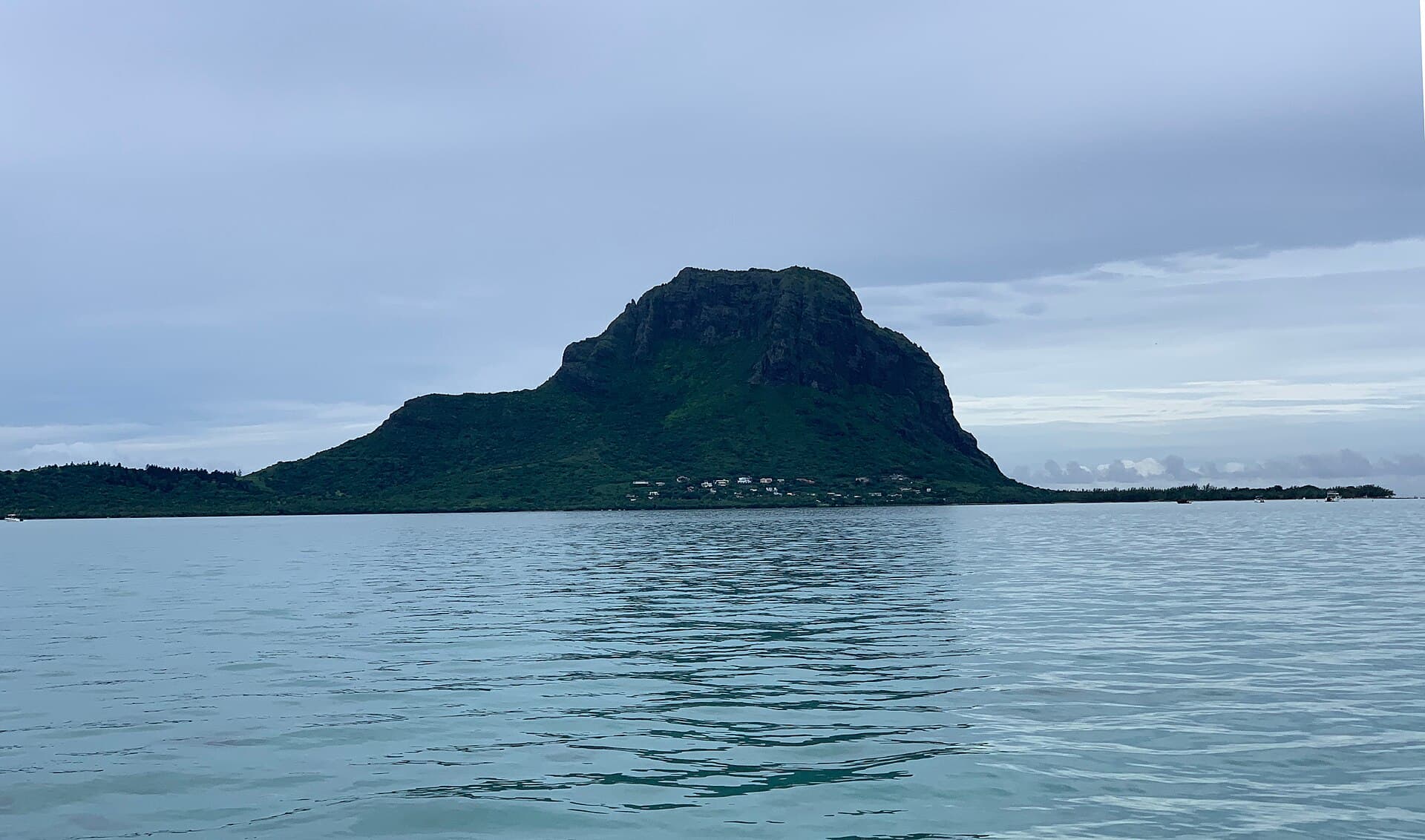
Mauritius is a polished beach destination with a surprising amount beyond the resorts: Le Morne's mountain, the Black River Gorges, Port Louis's markets, and a food culture shaped by Indian, Creole, Chinese and French influences. It is one of the easier African islands to visit, with good infrastructure and a long tourism tradition.
Most visitors base themselves on the north or west coast and add day trips. A hire car or private driver opens up the south.
Entry requirements
UK government guidance says passports must be valid for the duration of your stay and carry one blank page. British citizens can visit without a visa for up to 60 days, and must show proof of onward or return travel. Other nationalities have different rules, so South African, Zimbabwean and other travellers should confirm their position with the Mauritian authorities.
Complete the Mauritius All in One travel form online before you fly, then print it with the QR code to present at the airport. Border officials may ask health screening questions, and if you travel from a malaria-endemic region they may request a blood sample. Entry is restricted for some non-Mauritian travellers arriving from the Democratic Republic of Congo or South Sudan within 21 days. Declare restricted or dutiable goods.
Best time to visit
May to December is cooler and drier, ideal for the beach and hiking. January to April is hot, humid and wetter. The cyclone season runs from November to May: if a cyclone warning is issued, follow the instructions of the Mauritian authorities.
Money
The currency is the Mauritian rupee (MUR). Cards are widely accepted in hotels, restaurants and shops, and ATMs are plentiful. Carry some cash for markets, buses and street food. Prices in resorts are often quoted in euros, so check which currency you are being charged in.
For everyday spending, compare the best ways to pay while travelling and always choose the local currency when a terminal offers to convert (why).
Mobile data and eSIMs
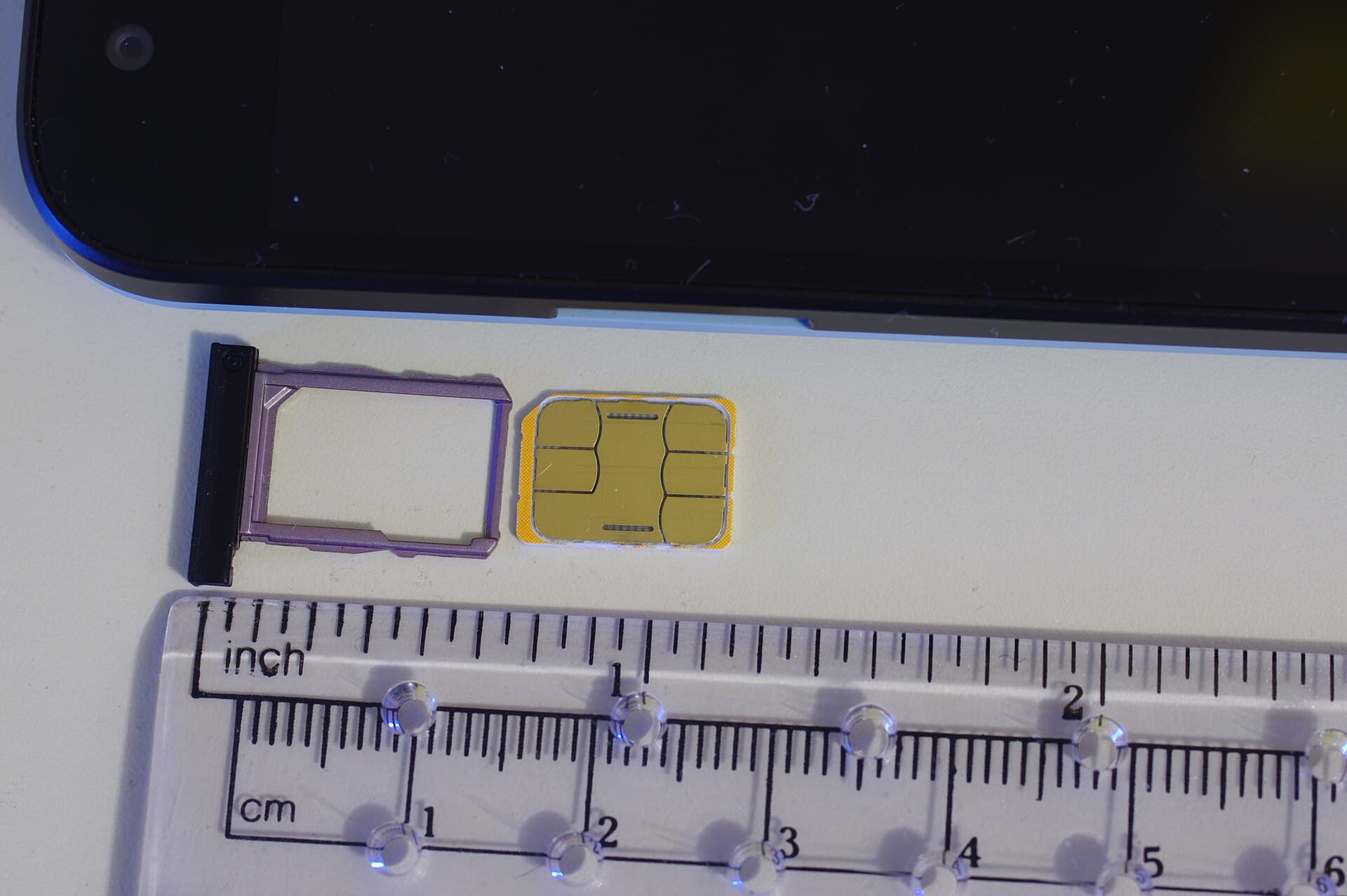
Coverage is excellent across the island, and 4G is common. A travel eSIM works well for a short trip, and local SIMs are sold at the airport. Use our eSIM Finder to estimate how much data you need.
Getting around
Mauritius drives on the left. UK government guidance says accidents are common, motorbikes often lack headlights, and the drink-driving limit is a quarter of England's legal limit. Buses are cheap and reach most places but are slow; taxis are easy to book through your hotel. Many visitors hire a car with a driver for day trips. Carry your driving licence, and check whether your hire company requires an International Driving Permit.
Safety and health
Most crime is non-violent, such as burglaries from tourist villas and theft of unattended bags. Petty theft happens in busy tourist areas including Port Louis, Grand Baie and Flic en Flac. Avoid walking alone at night on beaches or poorly lit streets. Water-sports operators must hold valid Ministry of Tourism permits, and boats should carry adequate life jackets. Drug offences, including cannabis, carry severe penalties.
Landslides can follow heavy rain. If you arrive from, or transit for more than 12 hours through, a country with yellow fever risk, you need a yellow fever vaccination certificate. Dengue and chikungunya occur, so use insect repellent. Take medical advice on vaccinations at least eight weeks before you travel.
Things to do
- Le Morne Brabant, kitesurfing and the underwater waterfall viewpoint
- Black River Gorges National Park hikes
- Port Louis's Central Market and Caudan Waterfront
- Chamarel's Seven Coloured Earths
- Catamaran trips to the northern islets
Airports
Sir Seewoosagur Ramgoolam International (MRU) is the main international airport, in the south-east. Transfers to the north and west coasts take about an hour or more depending on traffic.
Local customs
Mauritius is multi-faith and relaxed. Dress modestly when visiting temples, mosques and churches, and remove shoes where asked. Greet people in English or French. Tipping in restaurants is appreciated but not compulsory.
Emergency numbers
Police and tourist police: 999 or 112. Ambulance: 114. Fire: 115.