
Overview
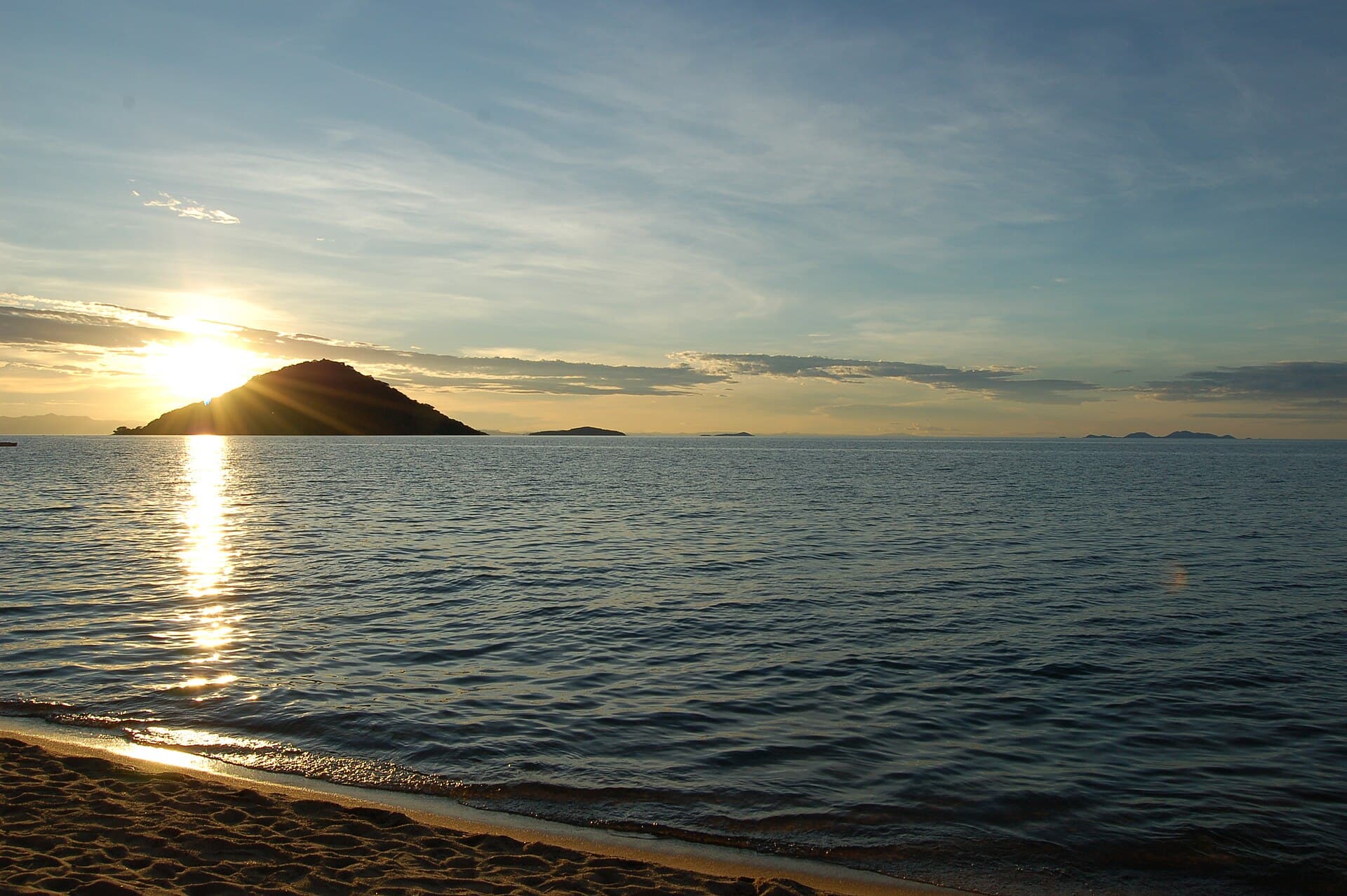
Malawi is known as the warm heart of Africa: Lake Malawi's beaches and islands, the Zomba and Mulanje highlands, and uncrowded safaris in Liwonde and Majete. It is affordable and friendly, though infrastructure is basic and fuel shortages can disrupt plans.
Most trips combine a lake stay with a park or highland leg. Build slack into your schedule for roads and fuel.
Entry requirements
UK government guidance says passports must be valid for at least six months after arrival and that a visa is required. Visas can be bought on arrival in US dollars (USD 50 single entry, USD 150 for six months multiple entry, USD 250 for one year multiple entry), or you can apply for an e-visa on the Malawi Immigration website. Malawi's 2024 visa waiver for many nationalities was largely reversed in January 2026. Depending on your passport you may be visa exempt, eligible for a visa on arrival, or required to apply before departure. South African, Zimbabwean, Zambian, Kenyan, Nigerian, Ghanaian and other travellers should check the eligibility tool on the official e-visa portal (evisa.gov.mw) before booking.
Arriving passengers complete a Traveller Health Check form, through a QR code at entry or online beforehand. Yellow fever proof is needed if you arrive from a risk country, and polio vaccination may be required in some cases. Declare anything prohibited or dutiable. Children transiting South Africa need specific documents.
Best time to visit
May to October is dry and cooler, best for safaris and hiking. November to April is the rainy season, with storms, mud and occasional cyclone or flood impacts. Lake Malawi is warm enough to swim most of the year.
Money
The currency is the Malawian kwacha (MWK). Cards are accepted at a handful of hotels and lodges, but cash is king, and ATMs can run out of notes or limit withdrawals. Carry US dollars for visa fees and some tourist services, and exchange only at banks or authorised bureaux.
For everyday spending, compare the best ways to pay while travelling and always choose the local currency when a terminal offers to convert (why).
Mobile data and eSIMs
Coverage is good in Lilongwe, Blantyre and Mzuzu, and patchy in rural areas and some lakeshore stretches. A local SIM or travel eSIM works best in cities. Use our eSIM Finder to estimate how much data you need.
Getting around
Malawi drives on the left. UK government guidance notes high road fatality rates, advises against night driving, and warns that fuel shortages are common, so plan fuel stops ahead. Breathalysers and speed cameras are used, and seatbelts are compulsory. Minibuses are cheap but crowded and risky; hire a driver for longer legs. Lake ferries and small flights can reach the islands, but ferry services are sometimes suspended, so confirm schedules locally before you plan around them.
Safety and health
Kidnappings have targeted wealthy individuals and foreigners, and mugging and bag-snatching are common near bus stations. Armed burglaries and violent assaults occur, so use secure accommodation and avoid walking at night. Do not accept food or drink from strangers, as spiking happens. Avoid large demonstrations. Check with the Mountain Club of Malawi before climbing Mulanje. Same-sex sexual activity is illegal.
Malaria is a risk, so take medical advice. There is a risk of bilharzia (schistosomiasis) in Malawi's fresh water, including Lake Malawi. UK travel health guidance advises avoiding wading or swimming in fresh water, so take medical advice before you go.
Things to do
- Beaches and snorkelling at Cape Maclear and Nkhata Bay
- Likoma and Chizumulu islands
- Liwonde National Park boat safaris
- Mulanje Mountain and Zomba Plateau hiking
- Majete Wildlife Reserve
Airports
Lilongwe (LLW) is the main international gateway and Blantyre (BLZ) serves the south. Many visitors arrive overland from Zambia, Mozambique or Tanzania.
Local customs
Malawians value polite greetings, so take time to say hello and ask after people. Dress modestly away from beach resorts and ask before photographing people. Tipping is appreciated but not expected everywhere.
Emergency numbers
Police: 990 or 997. Ambulance: 998. Fire: 999. UK government guidance warns that emergency numbers are unreliable in Malawi, so ask your hotel for local alternatives. Response outside cities can be slow, so plan travel conservatively.