
Overview
Japan is safe, spotless and extremely well organised: Tokyo's neon, Kyoto's temples, Osaka's food, the Alps, Hokkaido's snow and the islands of Okinawa. Trains run on time, and even a first visit feels manageable with a little preparation.
The things that surprise visitors are practical: cash is still common, medicine rules are strict, and etiquette matters. Learn the basics, and you will travel with less friction.
Entry requirements
UK and EU passport holders can enter visa-free for tourist stays of up to 90 days. South African, Zimbabwean, Nigerian, Kenyan, Ghanaian and Zambian passport holders need a visa. If you live in South Africa, you can apply online through JAPAN eVISA for a single-entry tourist visa of up to 90 days. Otherwise, apply through the Japanese embassy or consulate that covers where you live. Since 1 July 2026, a single-entry visa costs about 15,000 yen, paid in local currency. Japan plans an electronic travel authorisation called JESTA, but it is not live yet, so ignore any website selling one. Check the Ministry of Foreign Affairs lists before you book.
You can pre-register your arrival details through the Visit Japan Web service to speed up immigration and customs. Japan applies strict import rules for medicines, so check what you can bring, particularly certain common cold, allergy and ADHD medications.
Best time to visit
Late March to early April is cherry blossom season, with the highest crowds and prices. Spring and autumn (October to November) are the most comfortable. Summer is hot and humid, with a rainy season in June, and typhoons possible from August to October. Winter suits skiing in Hokkaido and Nagano.
Money
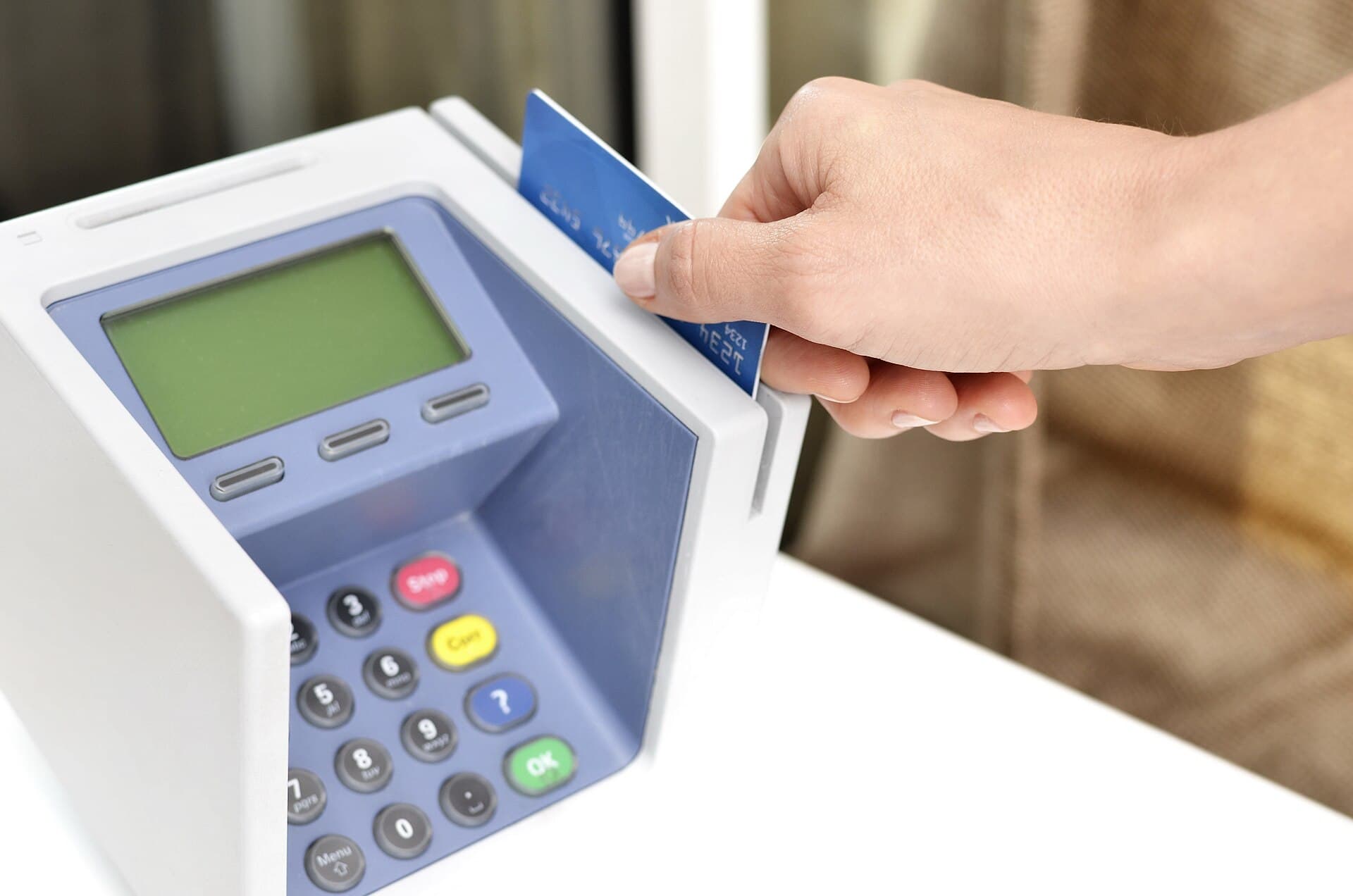
The currency is the Japanese yen (JPY). Cards are accepted in most hotels, department stores and chains, but many small restaurants, shrines and rural places prefer cash. Convenience-store ATMs, such as those at 7-Eleven and Lawson, generally accept foreign cards. Tipping is not customary and can cause confusion. From 1 November 2026, tax-free shopping moves to a refund system. Show your passport at participating shops, and have your purchases confirmed at customs when you leave Japan, before you check in. Goods must leave Japan within 90 days.
For everyday spending, compare the best ways to pay while travelling and always choose the local currency when a terminal offers to convert (why).
Mobile data and eSIMs
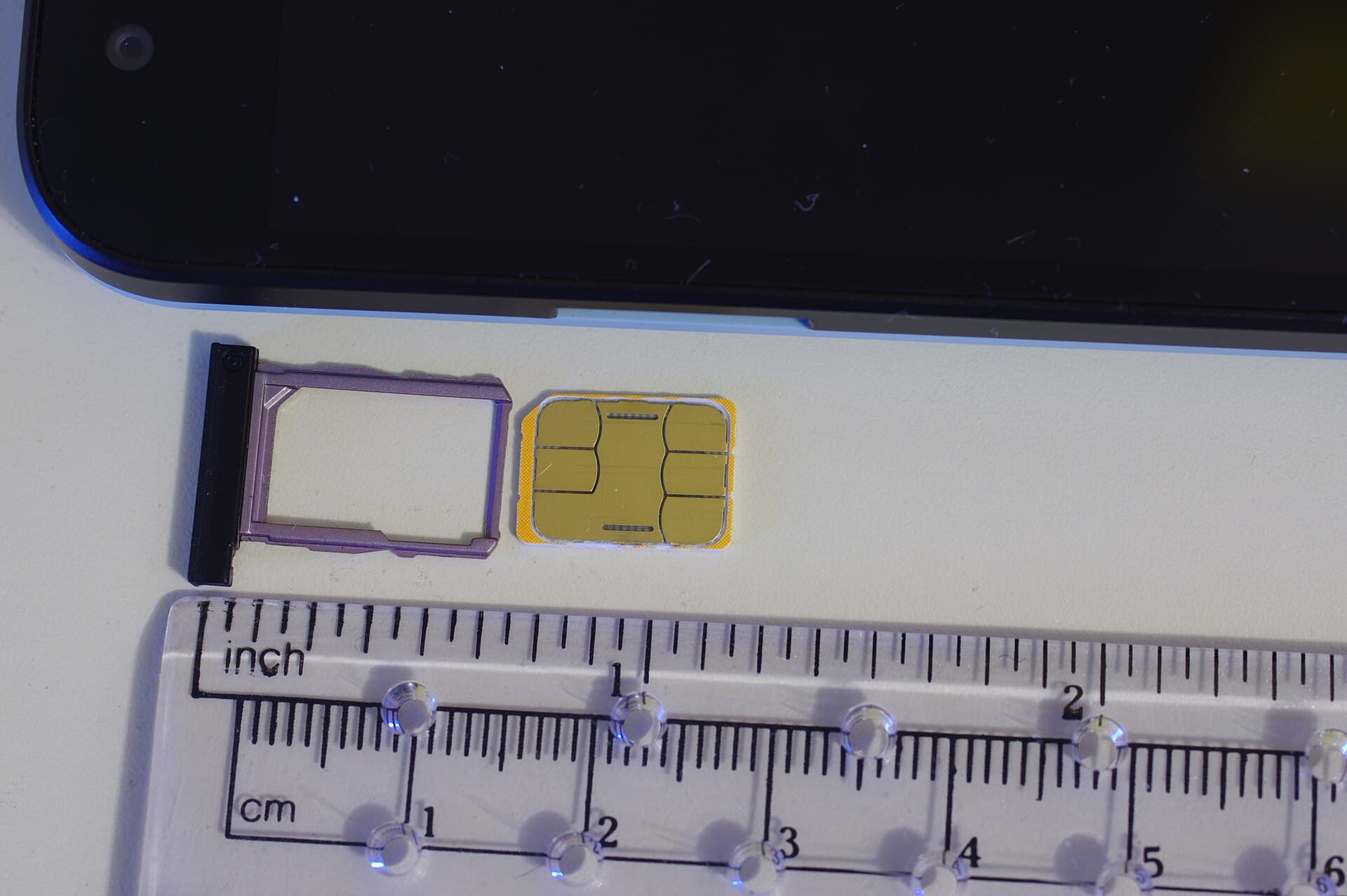
Travel eSIMs and pocket Wi-Fi rentals are popular, and Japan offers excellent coverage in cities and along rail lines. Tourist SIMs are available at airports. Free Wi-Fi exists but is not always reliable.
A travel eSIM avoids hunting for a SIM shop after a long flight. Use our eSIM Finder to estimate how much data you need.
Getting around
Japan's rail network is outstanding. Shinkansen bullet trains connect Tokyo, Nagoya, Kyoto, Osaka and beyond, and rail passes may or may not save money depending on your route, so compare before buying. Cities have metros and buses, and IC cards such as Suica and ICOCA work on most transport and in convenience stores. Taxis are clean but pricey. Japan drives on the left. Avoid talking on phones on trains, and keep luggage compact.
Safety and health
Japan has very low crime, but be alert to earthquakes and typhoons: learn the evacuation routes at your hotel and download a disaster alert app. Respect signs and queue discipline. Public litter bins are rare, so carry your rubbish until you find one. Be careful in nightlife districts where drinks can be overpriced or spiked.
Things to do
- Tokyo's Shibuya, Shinjuku, Asakusa and teamLab venues
- Kyoto's temples, geisha districts and bamboo groves
- Osaka's street food and Dotonbori
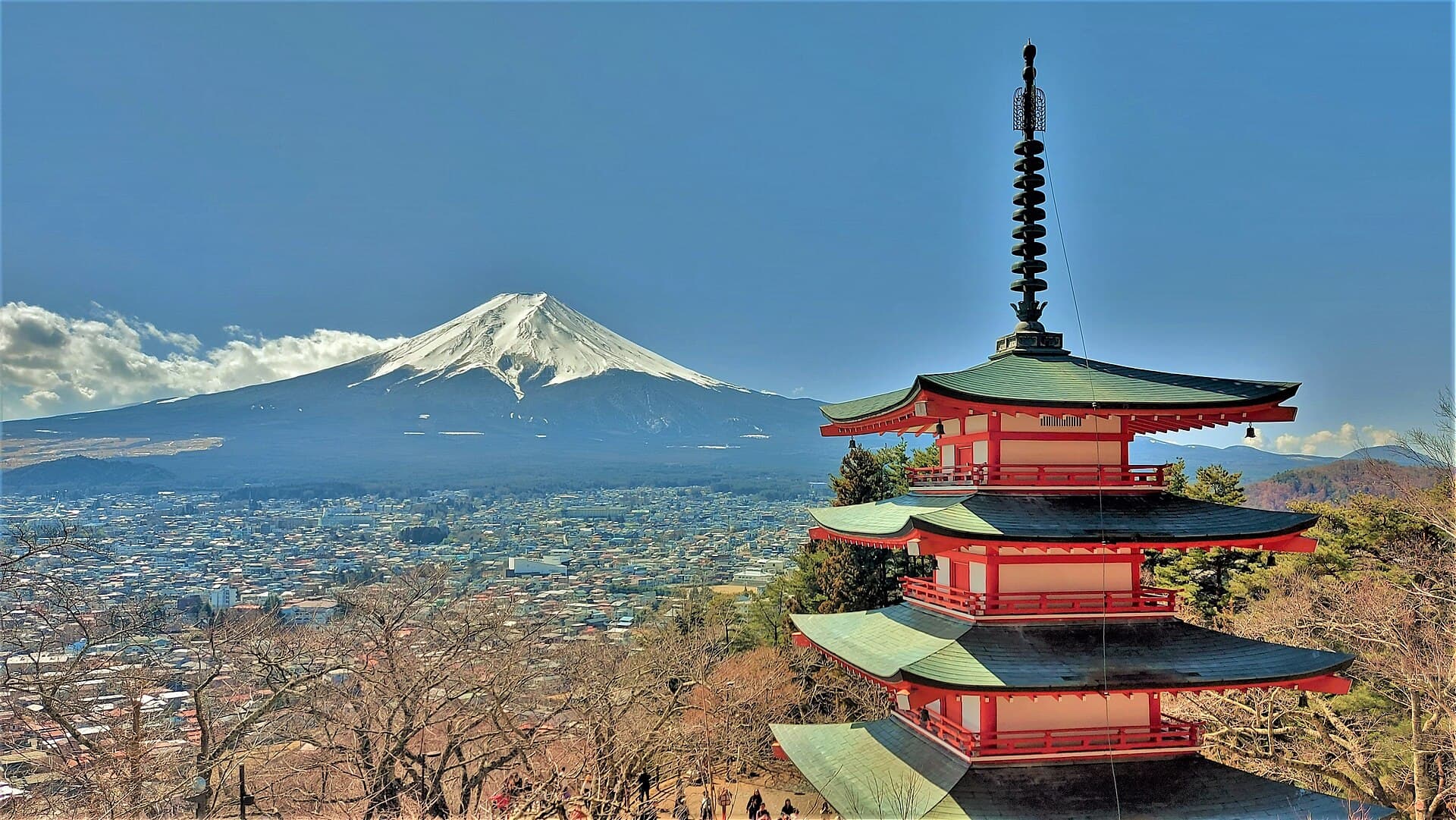
- Mount Fuji and Hakone
- Hiroshima, Miyajima and the Peace Memorial
Airports
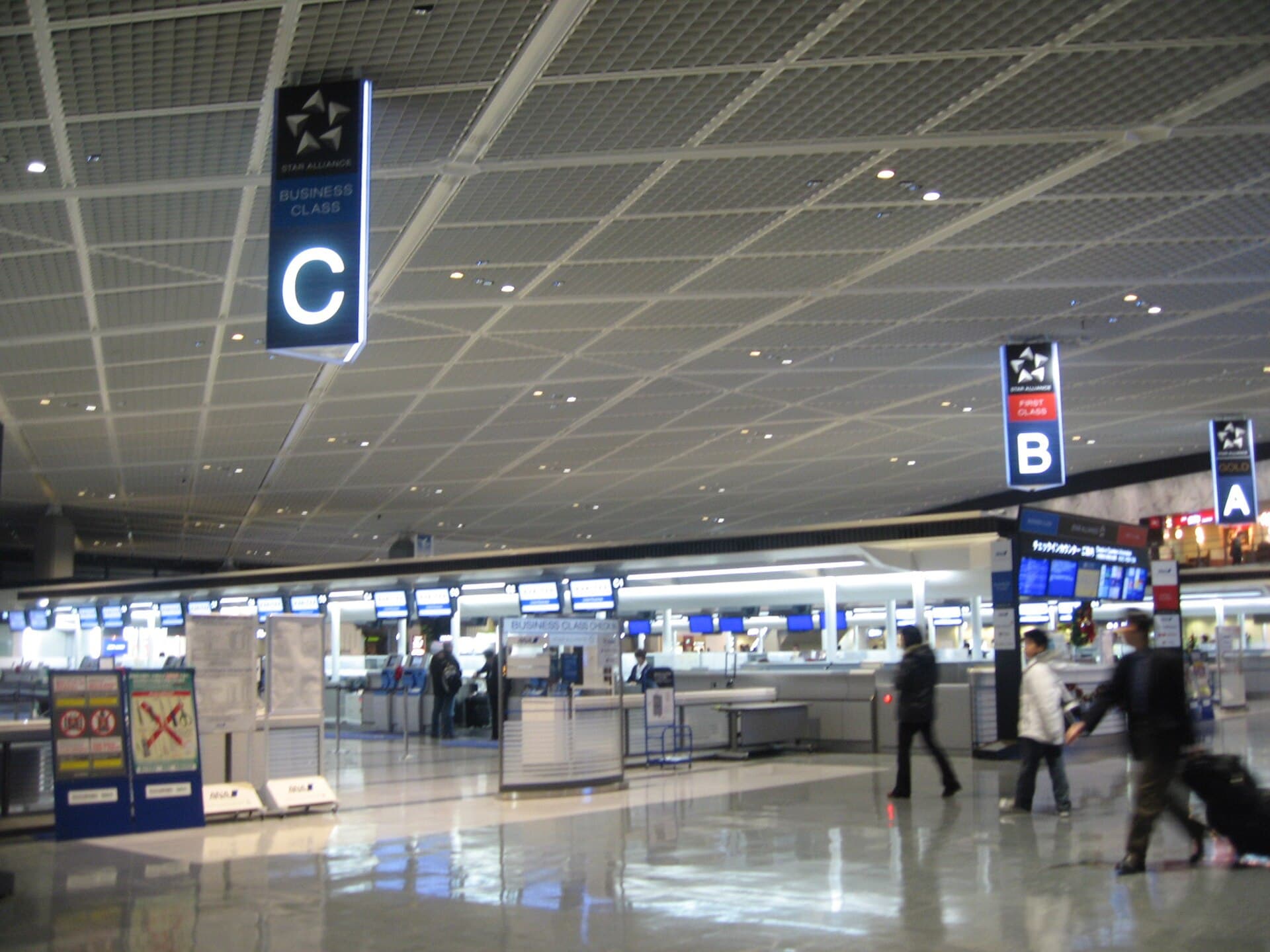
Tokyo Haneda (HND) is close to the city, while Narita (NRT) is further out with express trains. Kansai (KIX) serves Osaka and Kyoto. Airport customs may check medicines and prohibited items. Since 1 July 2026, Japan's International Tourist Tax is 3,000 yen per departure, usually included in your airline ticket.
Local customs
Remove your shoes where asked, and bow slightly when greeting. Do not tip, do not eat while walking in many areas and keep quiet on public transport. Wait your turn in queues. Present and receive business cards and money with two hands, and use the tray for payment at shops.
Emergency numbers
Police: 110. Fire and ambulance: 119.