
Overview
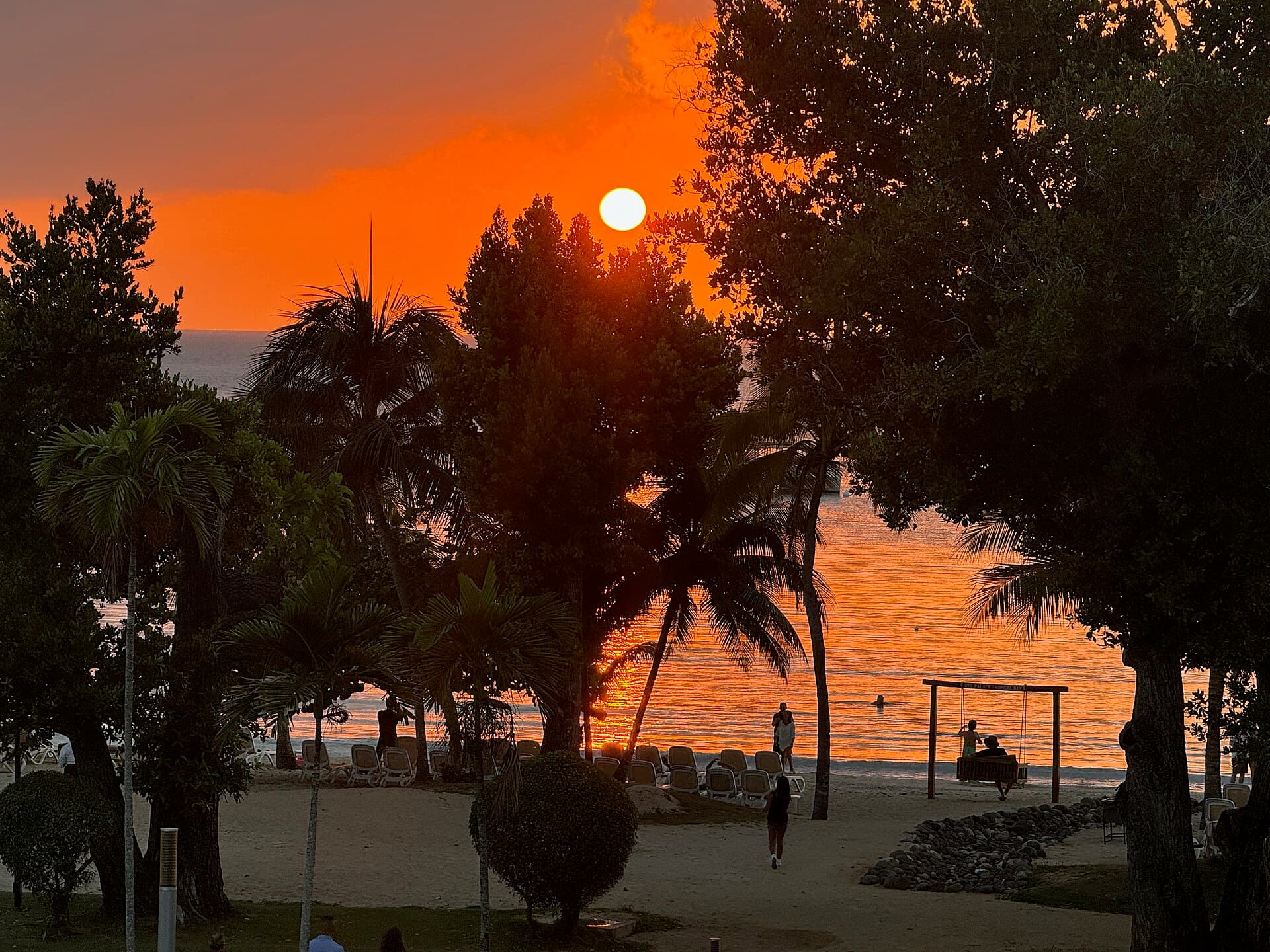
Jamaica is more than all-inclusive resorts: reggae in Kingston, waterfalls and rivers near Ocho Rios, cliffs and sunsets in Negril, the Blue Mountains for coffee and hiking, and Port Antonio's quieter coast. It is a lively island with strong food, music and personality.
Most visitors arrive at Montego Bay. Decide early whether you want a resort-based trip or a more independent one, and plan transfers accordingly.
Entry requirements
Many nationalities can enter Jamaica without a visa for a short stay, while others need to apply for a visa in advance. Commonwealth passports such as South Africa, Kenya, Ghana, Zambia and the UK generally do not need a visa, while Nigerian and Zimbabwean passport holders need a visa before travel. EU citizens do not need a visa, but permitted stays vary between 30 and 90 days by country. Check the official immigration agency for your passport. Keep your passport valid for the length of your stay, and carry proof of onward travel.
Complete the free online Immigration/Customs Declaration (C5) at enterjamaica.com up to 30 days before you land, which speeds up the arrival hall. Paper forms and airport tablets exist as a fallback. Ignore lookalike sites that charge a fee.
Best time to visit
Mid-December to April is the dry and sunny peak season, with the highest prices. May to June and November are quieter. Hurricane season runs roughly June to November, with the highest risk in August to October, so check forecasts and consider flexible bookings and travel insurance. Hurricane Melissa struck in October 2025, hitting the Montego Bay area hard. Airports and most resort areas reopened within weeks, but confirm directly that your hotel and tours are operating.
Money
The currency is the Jamaican dollar (JMD), though US dollars are widely accepted in tourist areas. Cards work in hotels, resorts and larger restaurants. Use ATMs inside banks, and keep cash for taxis, markets and smaller venues. Tipping of about 10 to 15 percent is customary where a service charge is not included, so check your bill.
For everyday spending, compare the best ways to pay while travelling and always choose the local currency when a terminal offers to convert (why).
Mobile data and eSIMs
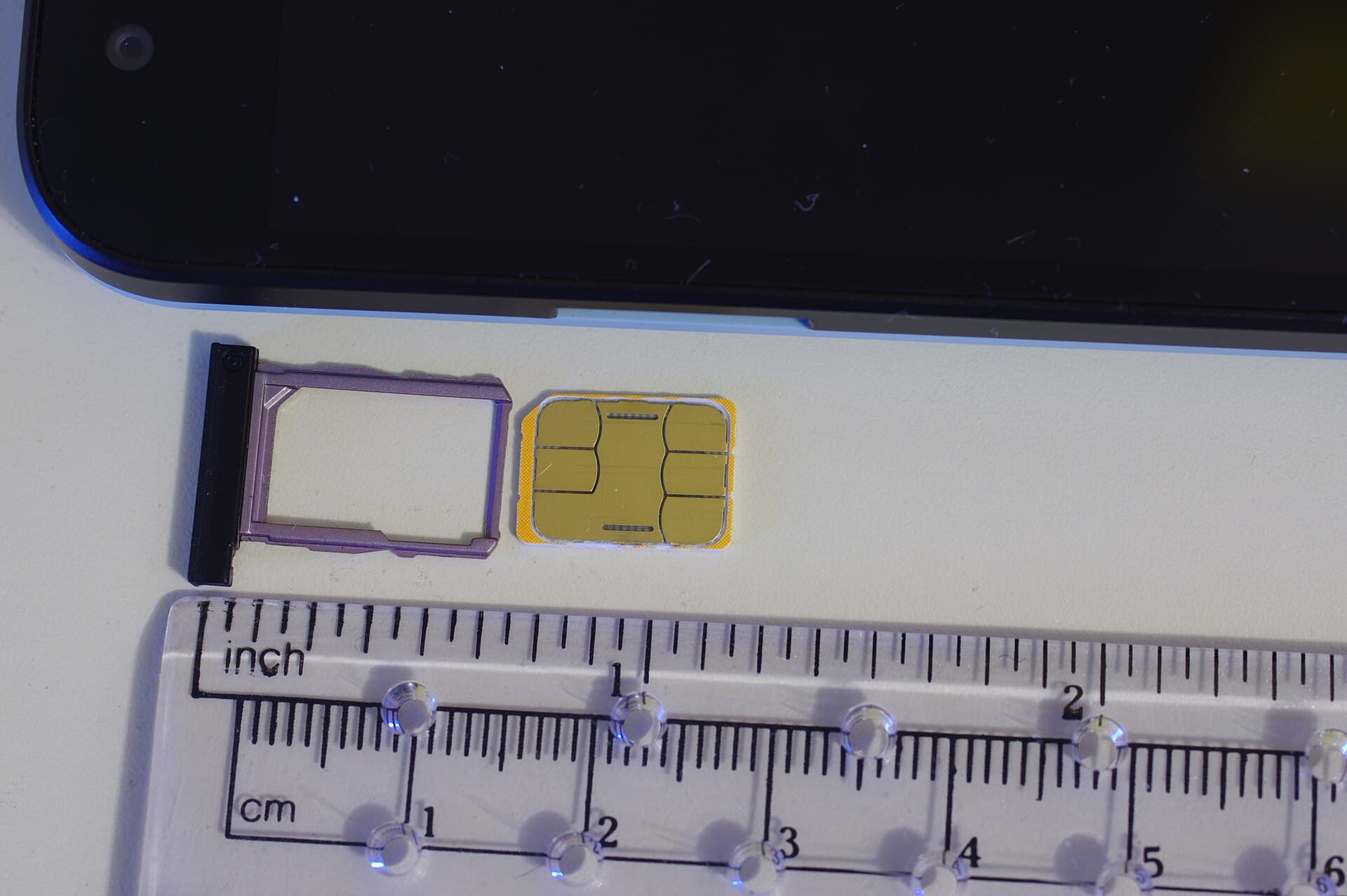
Digicel and Flow sell SIMs, and a travel eSIM is simple. Coverage is good on the north coast and in towns and weaker in some mountain areas.
A travel eSIM avoids hunting for a SIM shop after a long flight. Use our eSIM Finder to estimate how much data you need.
Getting around
Taxis and pre-arranged transfers are the standard way to get around. Use licensed, registered taxis or hotel-arranged transfers, and note that many tours include transport. Public routes taxis and buses exist but are busy. Jamaica drives on the left, and roads can be narrow and winding, so car hire needs care. Allow generous journey times between towns.
Safety and health
Crime is a concern in parts of Jamaica, so follow your government's advice, stay in well-known areas, use licensed transport and avoid walking at night. Be cautious about unsolicited offers on beaches. Take sun protection, and pay attention to sea conditions. Travellers over 1 year old arriving from, or transiting for more than 12 hours through, a country with yellow fever risk must show a vaccination certificate. This includes Nigeria, Ghana and Kenya, so carry your yellow card. Cannabis is partly decriminalised for personal use, but it remains illegal to carry on flights or across borders.
Things to do
- Negril's Seven Mile Beach and cliff sunsets
- Dunn's River Falls and Ocho Rios
- The Blue Mountains for coffee and hiking
- Kingston's Bob Marley Museum and music scene
- Port Antonio and the Blue Lagoon
Airports
Sangster International (MBJ) in Montego Bay is the main tourist gateway, and Norman Manley (KIN) serves Kingston. Arrange a transfer in advance for the longer drives to Negril and Ocho Rios.
Local customs
Greet people politely, since a friendly hello is expected. Ask before photographing people. Jamaicans are proud of their culture, so show respect for local music and food. Dress is relaxed at beaches but modest in towns.
Emergency numbers
Police: 119. Fire and ambulance: 110.