
Overview
Italy is a country where almost every town has something worth a detour: Rome and the Vatican, Florence and Tuscany, Venice, the Amalfi Coast, Sicily and the Dolomites. Distances are manageable, and trains make city-to-city travel simple.
The country is also very popular, so book the big attractions, such as the Colosseum, the Uffizi and the Last Supper, ahead of arrival. Small details, like how to buy train tickets and where cars can drive, can save money and stress.
Entry requirements
Italy is in the Schengen Area, so one short-stay Schengen visa (where you need one) covers Italy and the other Schengen countries. Visitors who do not need a visa can generally stay up to 90 days in any 180-day period across the whole area. South African, Zimbabwean, Nigerian, Kenyan, Ghanaian and Zambian passport holders all need a Schengen visa. Some nationalities also need an airport transit visa just to change planes, so check the official visa portal if you are connecting here. Your passport should be valid for at least three months beyond your planned departure and issued within the last 10 years (see our passport validity guide).
The EU's Entry/Exit System registers non-EU visitors at the external border, so expect fingerprints and a photo on arrival. The ETIAS pre-travel authorisation for visa-free visitors has not been confirmed to start yet, so read our ETIAS status update before you plan. If you need a visa, see visa types explained.
Best time to visit
April to June and September to October are the best for sightseeing, with comfortable weather and slightly lower crowds. July and August are hot and busy, and many Italians take holidays around 15 August, so some local businesses close. Winter suits the cities and skiing in the Alps.
Money
Italy uses the euro (EUR). Cards and contactless are widely accepted, but small cafés and markets may prefer cash. Many restaurants add a coperto (cover charge) and sometimes a service charge, so check the menu. Tipping is modest, and cities may charge a per-night tourist tax at hotels that is paid directly to the property.
For everyday spending, compare the best ways to pay while travelling and always choose the local currency when a terminal offers to convert (why).
Mobile data and eSIMs
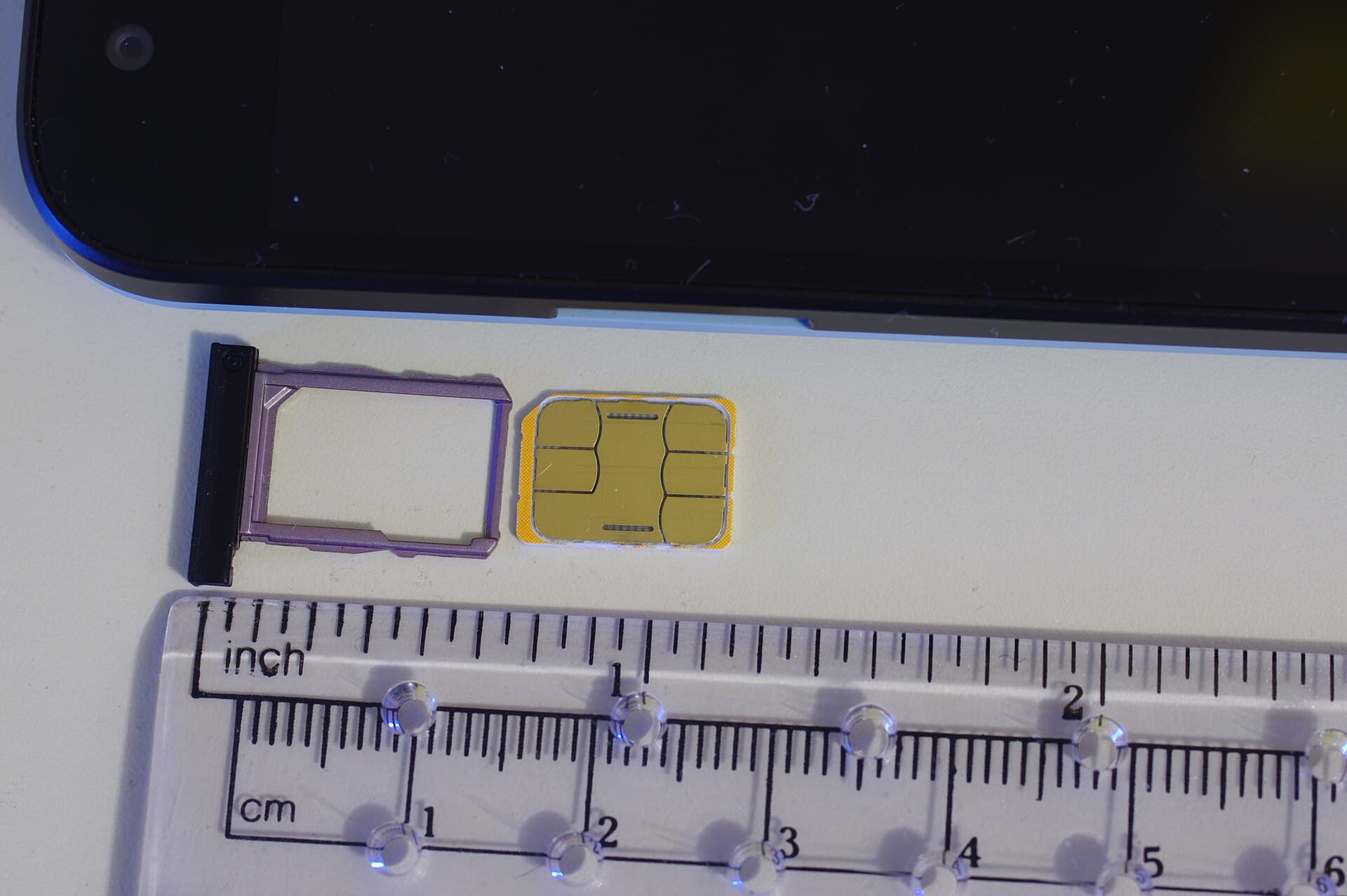
TIM, Vodafone, WindTre and Iliad sell prepaid SIMs in shops, and Italian law requires ID to register a SIM. A travel eSIM avoids the paperwork. EU roaming rules apply to EU SIMs across the bloc.
A travel eSIM avoids hunting for a SIM shop after a long flight. Use our eSIM Finder to estimate how much data you need.
Getting around
Fast trains (Frecciarossa and Italo) link Milan, Florence, Rome, Naples and Venice, and booking early lowers fares. If you have a paper regional ticket, validate it at the station machines before boarding. Cities have metros and buses, but the historic centres are best explored on foot. Avoid driving into city centres because of ZTL zones and fines. Italy drives on the right.
Safety and health
Italy is generally safe, but pickpockets operate around Rome, Florence, Venice and Naples, especially on crowded public transport and at stations. Watch for taxi overcharging at airports and use licensed taxis or official rates. Some sights enforce dress codes, so cover shoulders and knees for churches.
Things to do
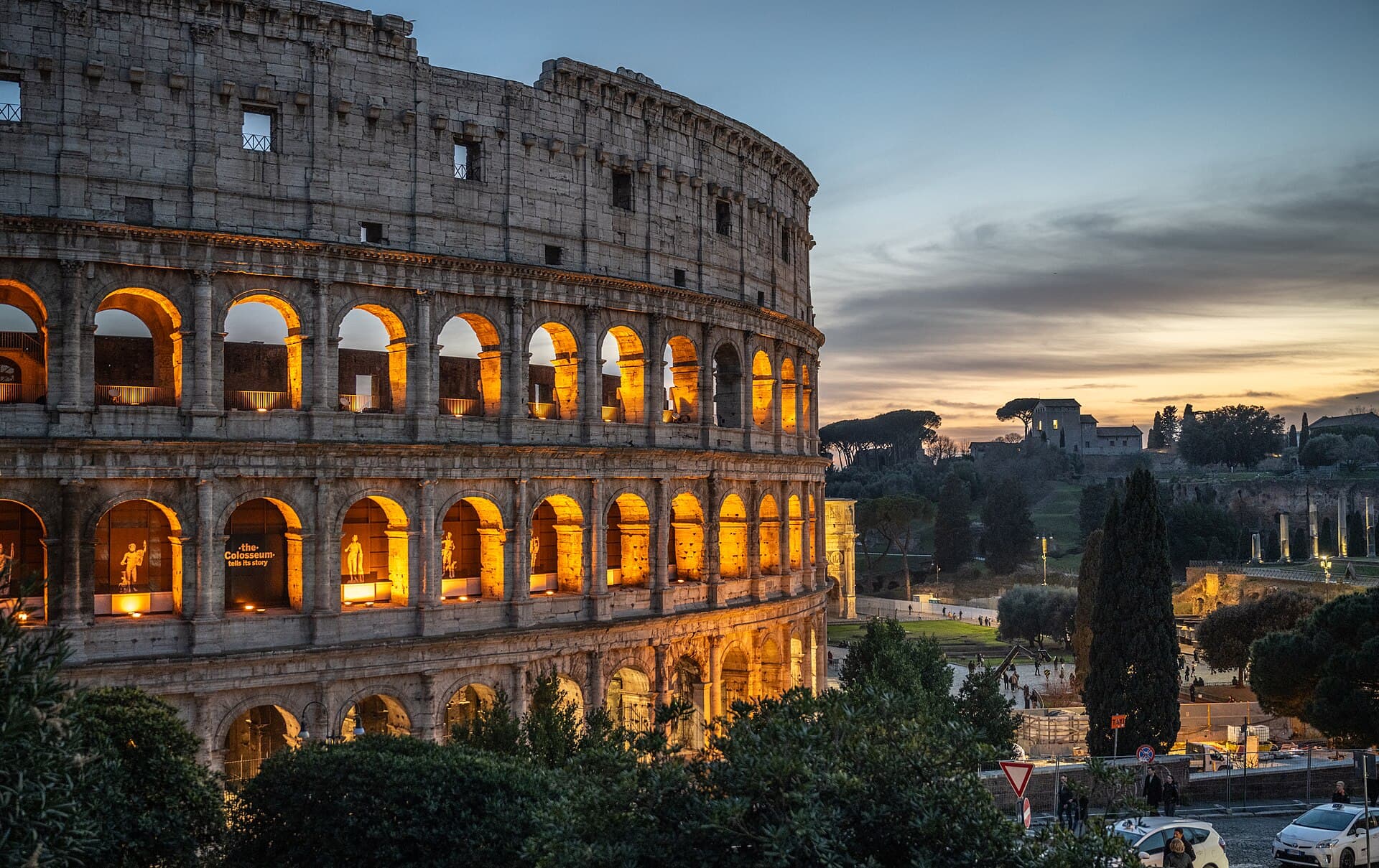
- Rome's Colosseum, Roman Forum and Vatican Museums
- Florence's Uffizi and Duomo
- Venice's canals and nearby islands
- The Amalfi Coast and Naples
- Tuscany's hill towns and wine country
Airports
Rome Fiumicino (FCO), Milan Malpensa (MXP) and Venice Marco Polo (VCE) are major gateways. Take the airport train or a licensed taxi into Rome, and watch for unofficial drivers.
Local customs
Greet people with buongiorno or buonasera. Cappuccino is typically a morning drink, and many Italians drink coffee standing at the bar, where it is cheaper. Dress modestly for churches, and expect lunch and dinner to be unhurried.
Emergency numbers
All emergencies: 112. Police: 113. Ambulance: 118.