
Overview
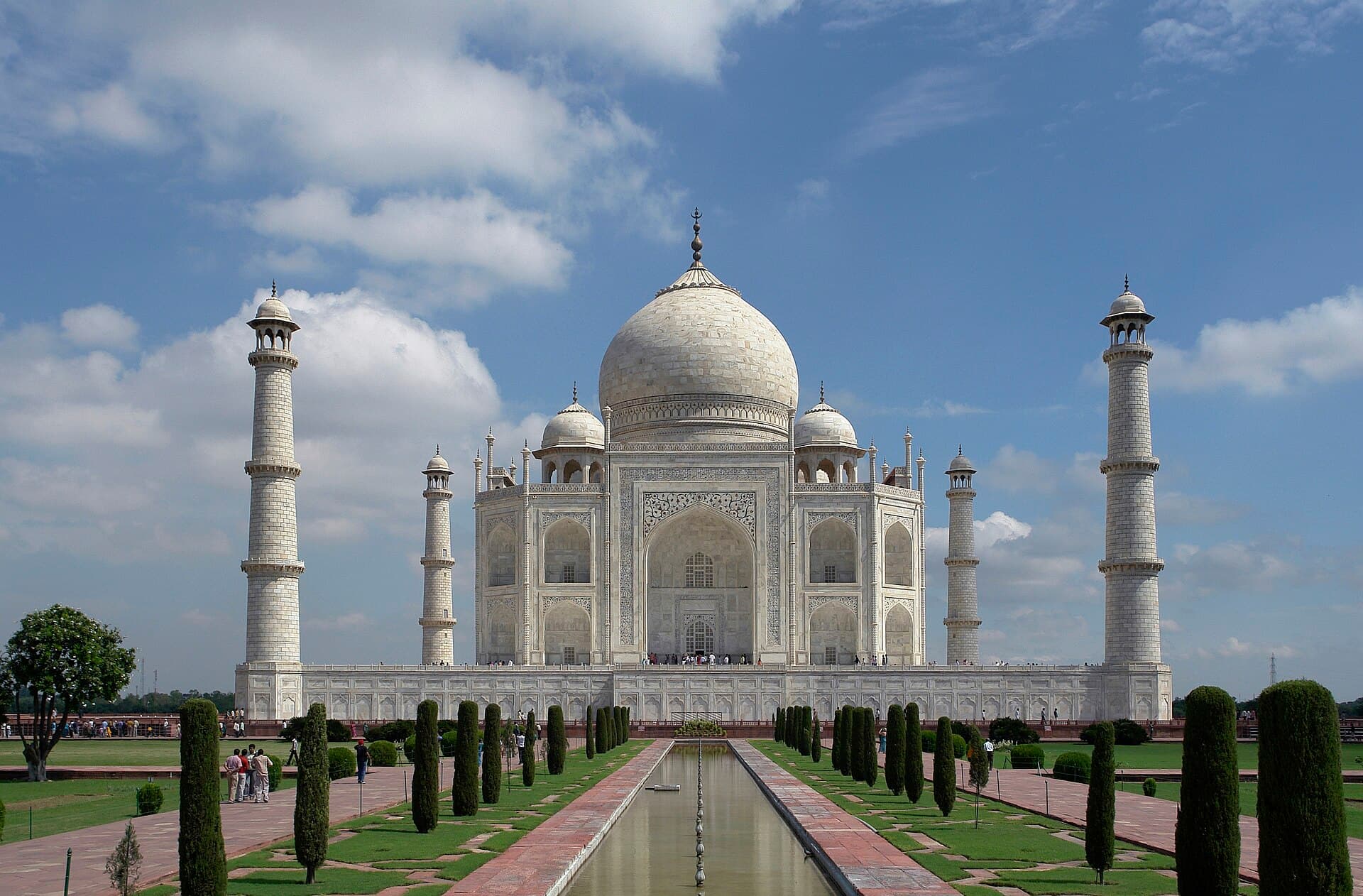
India is a trip of contrasts: the Taj Mahal and Rajasthan's forts, Kerala's backwaters, Goa's beaches, Varanasi on the Ganges, the Himalayas and the food of every region. It is a country that rewards patience, an open mind and a plan.
Travel is easier in short hops: use domestic flights and trains, build in rest days and choose a few regions rather than trying to see everything. Health and logistics need more attention than in many destinations.
Entry requirements
Most travellers need a visa, and many nationalities can apply for an e-Visa online. Apply at least four days before arrival (up to 30 days ahead for the 30-day e-Tourist visa, and up to 120 days ahead for most other e-Visas), use the official government portal, and be aware that e-Visa arrival is limited to designated airports and seaports. Your passport must be valid for at least six months from arrival and have at least two blank pages.
South African, Zimbabwean, Kenyan, Ghanaian, Zambian, UK and most EU passport holders are on the e-Visa list. Nigerian passport holders are not, and apply in person at the High Commission in Abuja or the Consulate in Lagos. Other visitors must apply for a regular visa through an Indian mission. Check the current categories, fees and validity on the official site for your passport.
Every foreign visitor must also complete the free online e-Arrival card within 72 hours before landing, on the official portal or the Su-Swagatam app. It is not a visa.
If you arrive within six days of leaving a yellow fever risk country, such as Nigeria or Ghana, carry your original yellow fever certificate. It is only valid from ten days after vaccination, and travellers without one can be quarantined for up to six days. Nigerian travellers also need a polio vaccination certificate. Check the Government of India list if you are coming from or through Kenya, Zambia or another African country.
Best time to visit
October to March is the best period for most of India, with cooler weather in the north and pleasant conditions in the south. April to June is extremely hot in the plains. The monsoon, roughly June to September, brings heavy rain, though the south-west and Himalayan foothills can be beautiful then. Festival dates such as Diwali and Holi change annually.
Money
The currency is the Indian rupee (INR). Cards work in hotels, malls and larger restaurants, but cash is needed for rickshaws, markets and small eateries. Use bank ATMs inside branches or guarded lobbies, and expect limits per withdrawal. Local digital payment apps are common among residents, but visitors usually rely on cards and cash. Tipping of about ten percent is common in restaurants if service is not included. Declare foreign cash above USD 5,000, or above USD 10,000 including travellers' cheques, and check Reserve Bank of India rules before carrying rupees in or out.
For everyday spending, compare the best ways to pay while travelling and always choose the local currency when a terminal offers to convert (why).
Mobile data and eSIMs
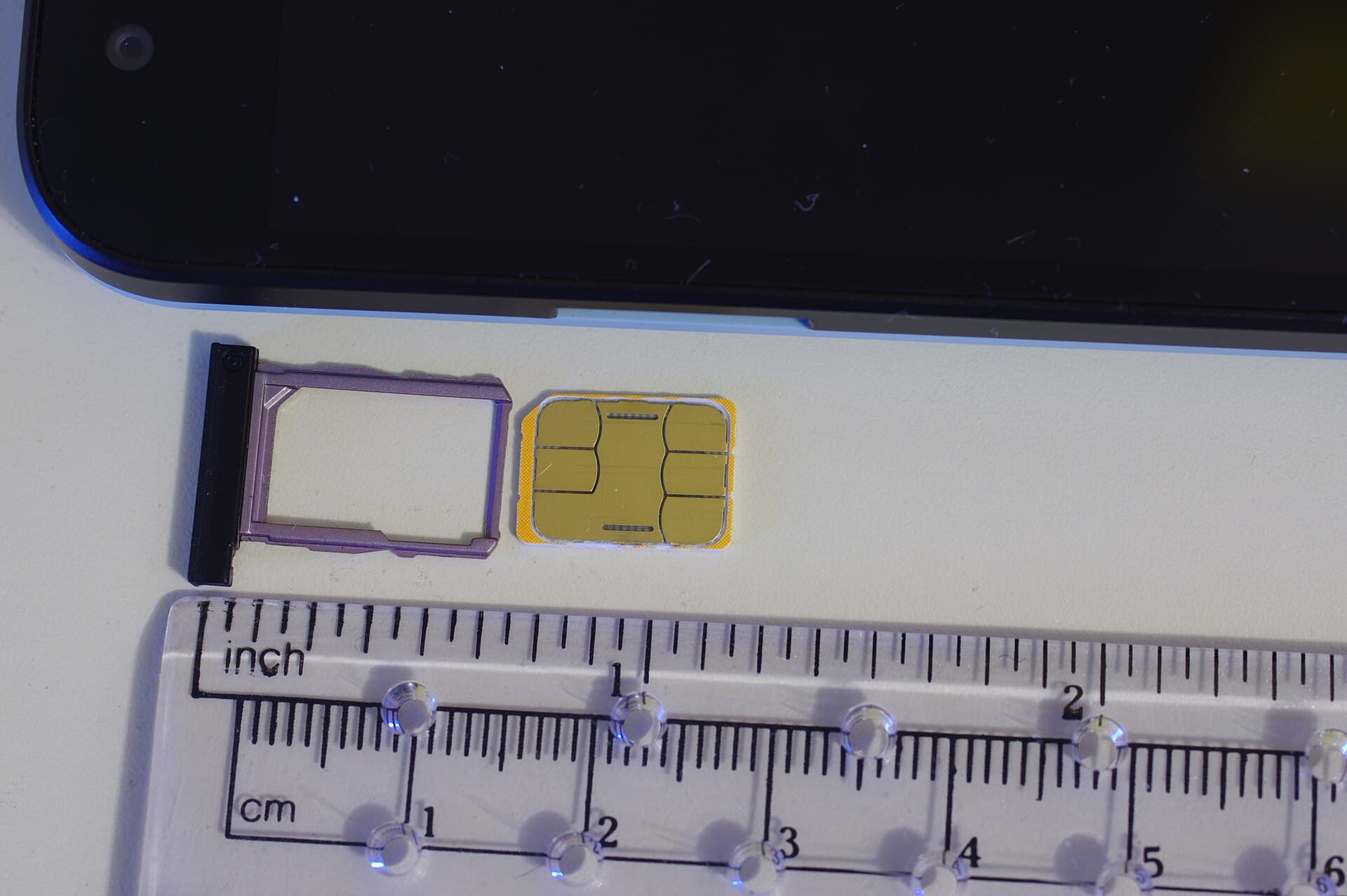
Airtel, Jio and Vi sell SIMs, but verification for foreign visitors can be slow. A travel eSIM installed before arrival is the simplest way to be online immediately for maps and ride-hailing.
A travel eSIM avoids hunting for a SIM shop after a long flight. Use our eSIM Finder to estimate how much data you need.
Getting around
Trains are an experience and a practical way to travel: book through the official IRCTC system or a trusted agent, and reserve early for popular routes. Domestic flights save time on long distances. Delhi, Mumbai and Bengaluru have metros, and ride-hailing apps and auto-rickshaws are common. India drives on the left, and traffic is intense, so avoid self-driving.
Safety and health
Take sensible precautions: keep valuables hidden, use licensed transport and avoid walking alone at night. Common scams include inflated taxi fares, fake tickets and guides at tourist sites, so agree prices first or use apps. Drink bottled or filtered water, and eat at busy, freshly-cooked places to reduce stomach upsets. Speak to a travel clinic about vaccinations. Women travelling alone should read current advice and plan accordingly.
Things to do
- The Taj Mahal in Agra, which is closed on Fridays, and the Golden Triangle with Delhi and Jaipur
- Rajasthan's forts and palaces in Udaipur and Jodhpur
- Kerala's backwaters and hill stations
- Varanasi's ghats on the Ganges
- Goa's beaches and Mumbai's street food
Airports
Delhi (DEL) and Mumbai (BOM) are the main international gateways, with Bengaluru (BLR) and others also international. Allow generous time for immigration and security, and keep your e-Visa printout and e-Arrival card confirmation accessible.
Local customs
Dress modestly, particularly in temples and rural areas, and remove shoes when entering religious sites. Use your right hand for eating and handing over money, and do not point your feet at people or religious objects. Public displays of affection are frowned upon. Ask before photographing people, and bargain politely in markets.
Emergency numbers
Single emergency number: 112.