
Overview
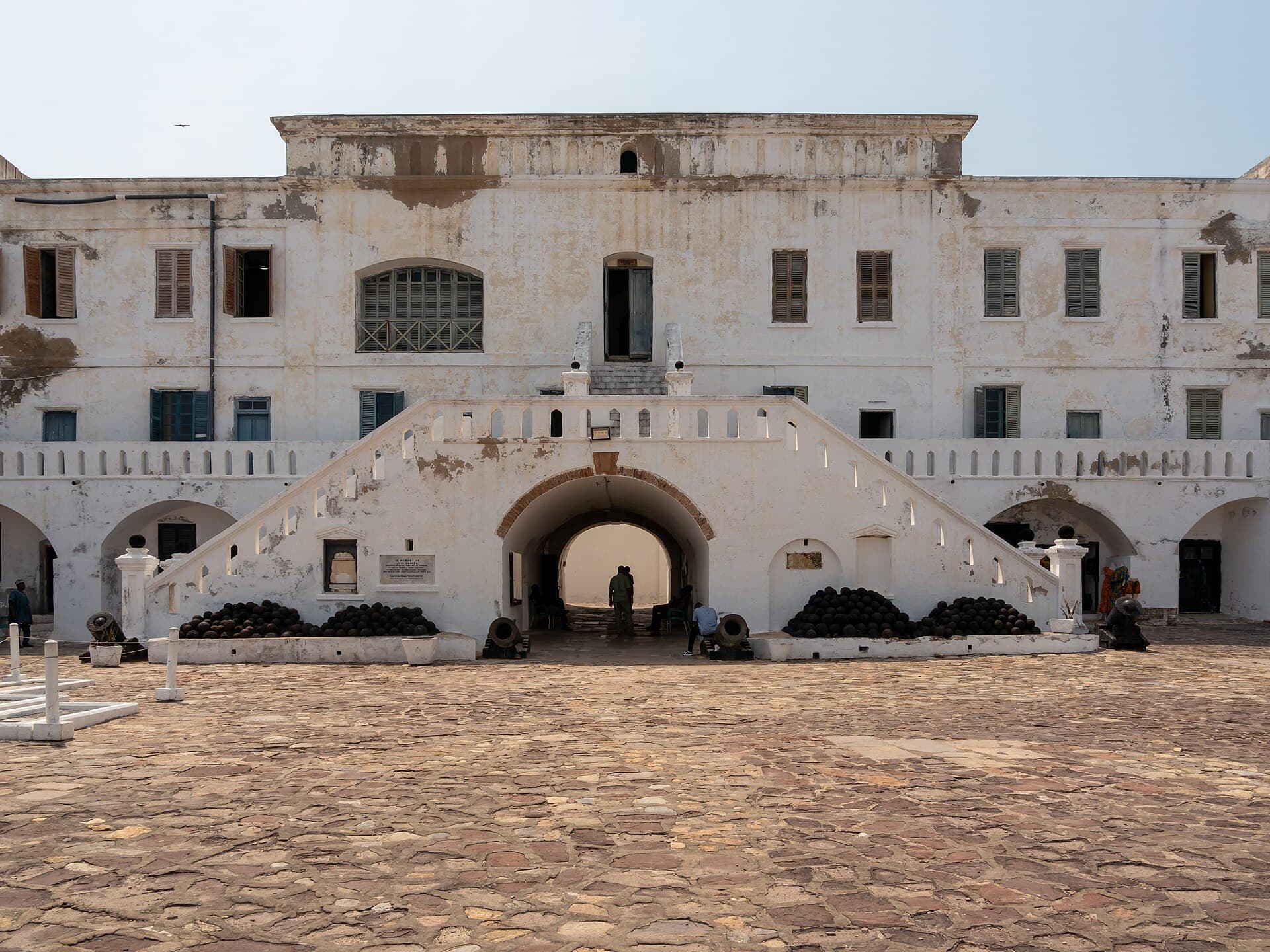
Ghana is one of West Africa's most welcoming and visitor-friendly countries, with Atlantic beaches, historic forts, lively markets and a strong music and food culture. Accra is the entry point, Cape Coast and Elmina hold the slave-trade castles that anchor the country's heritage tourism, and Kumasi is the Ashanti capital.
Travel is easiest when you plan transport between cities in advance and keep a little cash for markets and taxis.
Entry requirements
Since 25 May 2026, African passport holders pay no visa fee but must still apply through the official e-visa portal (evisa.immigration.gov.gh) and pass screening before travel. Citizens of ECOWAS states and some other countries are listed as visa exempt. Other visitors need a paid e-visa from the same portal. Have proof of accommodation and return travel ready.
A yellow fever vaccination certificate is required for all arriving travellers aged nine months or over, so carry it with your passport. If you are arriving from another African country, check whether additional health documents are required.
Best time to visit
The dry season from November to March is the most comfortable, with a dusty Harmattan haze in the north and centre. The south has two rainy seasons, roughly April to July and September to October. Festivals such as Chale Wote in Accra and Emancipation Day events draw crowds, so book early.
Money
The currency is the Ghanaian cedi (GHS). Cards work in Accra hotels, malls and larger restaurants, but cash is needed for taxis, markets and small shops. Mobile money (such as MTN MoMo) is widely used by locals. Use bank ATMs, avoid street money changers and tell your bank you are travelling. Tips of around ten percent are appreciated in restaurants when service is not included.
For everyday spending, compare the best ways to pay while travelling and always choose the local currency when a terminal offers to convert (why).
Mobile data and eSIMs
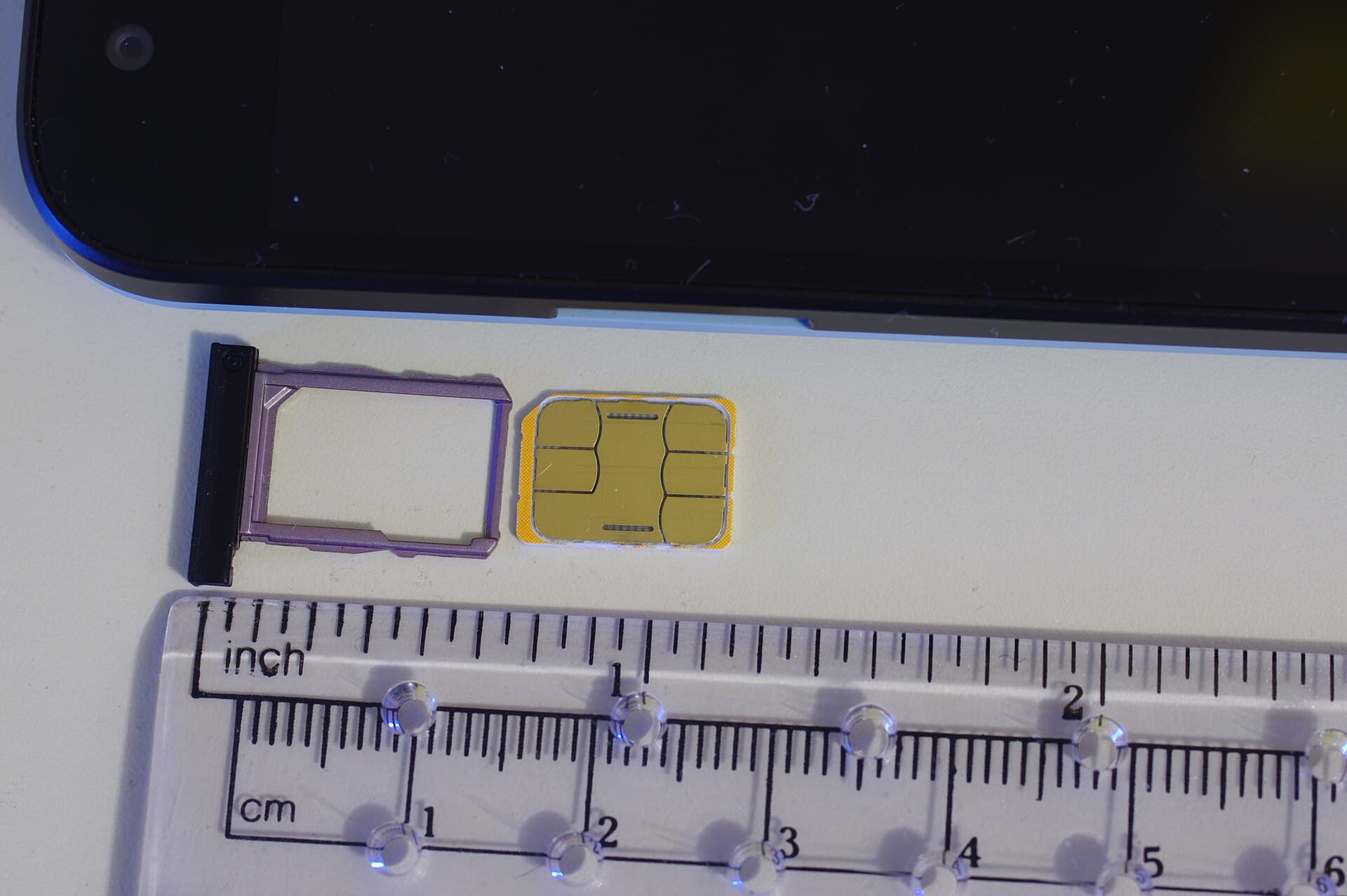
MTN, Telecel and AT (formerly AirtelTigo) sell SIM cards in shops with passport and registration requirements. Coverage is good in Accra and other cities. A travel eSIM installed before you fly gives you data on arrival.
A travel eSIM avoids hunting for a SIM shop after a long flight. Use our eSIM Finder to estimate how much data you need.
Getting around
Accra traffic is heavy, so plan transfers carefully. Ride-hailing apps and pre-booked drivers are popular with visitors, while shared taxis and trotros (minibuses) are cheap but crowded. Intercity coaches link Accra with Kumasi, Cape Coast and Tamale, and domestic flights serve Kumasi, Tamale and Takoradi. Ghana drives on the right.
Safety and health
Ghana is generally considered one of West Africa's more stable destinations, but petty theft and scams happen in crowded areas. Keep valuables out of sight, use trusted transport at night and be cautious with unsolicited offers. Malaria is present, so take precautions, and drink bottled or filtered water. Check government advice for northern border regions.
Things to do
- Cape Coast Castle and Elmina Castle, with a guided heritage tour
- Accra's markets, beaches and food scene
- Kakum National Park's canopy walkway
- Kumasi, the Manhyia Palace Museum and Kejetia market
- Lake Volta and the Wli Waterfalls
Airports
Kotoka International (ACC) in Accra is the main gateway. Arrange a pickup or use a registered taxi, and have your yellow fever certificate ready for the health check.
Local customs
Greetings matter: greet people and use the right hand for giving and receiving. Dress modestly and be respectful at funerals, shrines and chief's palaces. Ask permission before photographing people. Tipping is appreciated but not obligatory.
Emergency numbers
Emergency number: 112. Police: 191. Ambulance: 193. Fire: 192.