
Overview
Germany is organised, varied and good value for what it offers: Berlin's history and nightlife, Munich and Bavaria's castles and beer halls, Hamburg's harbour, the Rhine and Mosel valleys, and the Black Forest. Rail links make it easy to hop between cities, and cultural attractions are plentiful.
The details differ from many countries: shops close on Sundays, cash is more common, and rules are followed closely. Learn them and the country runs smoothly.
Entry requirements
Germany is in the Schengen Area, so one short-stay Schengen visa (where you need one) covers Germany and the other Schengen countries. Visitors who do not need a visa can generally stay up to 90 days in any 180-day period across the whole area. South African, Zimbabwean, Nigerian, Kenyan, Ghanaian and Zambian passport holders all need a Schengen visa. Nigerian and Ghanaian passport holders also need an airport transit visa to change planes at a German airport, unless they hold certain visas or residence permits. Germany has temporary controls at its land borders, so carry your passport when travelling by road or rail from neighbouring countries. Your passport should be valid for at least three months beyond your planned departure and issued within the last 10 years (see our passport validity guide).
The EU's Entry/Exit System registers non-EU visitors at the external border, so expect fingerprints and a photo on arrival. The ETIAS pre-travel authorisation for visa-free visitors has not been confirmed to start yet, so read our ETIAS status update before you plan. If you need a visa, see visa types explained.
Best time to visit
May to September is the best for city sightseeing, hiking and beer gardens, and Oktoberfest in Munich runs from late September to early October. December is busy with Christmas markets. Winter is cold, and skiing is available in the Bavarian Alps.
Money
Germany uses the euro (EUR). Cash is more widely used than in many countries, and some small businesses accept only cash or domestic debit cards, so carry some euros. Cards and contactless are common in cities and larger shops. Service is usually included in restaurant prices, and many people round up or add a small tip for good service. Many drinks bottles carry a Pfand (deposit) that you can return at shops.
For everyday spending, compare the best ways to pay while travelling and always choose the local currency when a terminal offers to convert (why).
Mobile data and eSIMs
Telekom, Vodafone and O2 sell prepaid SIMs, and a travel eSIM is a quick option. Coverage in cities is good, though rural pockets can be patchy. EU roaming rules apply to EU SIMs across the bloc.
A travel eSIM avoids hunting for a SIM shop after a long flight. Use our eSIM Finder to estimate how much data you need.
Getting around
Deutsche Bahn operates long-distance trains such as the ICE, and regional services are covered by local fares or national regional tickets. Delays are common on long-distance routes, so keep buffer time for connections. Cities have excellent public transport, and ticket machines accept cards at most stations. The Autobahn has stretches without a general speed limit, but many sections are limited. Germany drives on the right.
Safety and health
Germany is generally safe. Pickpockets operate around main stations, markets and tourist sights in large cities. Cyclists have priority in dedicated lanes, so be careful when crossing bike paths. Follow signals on foot, since crossing against a red light is frowned upon and can be fined.
Things to do
- Berlin's Brandenburg Gate, Museum Island and the East Side Gallery
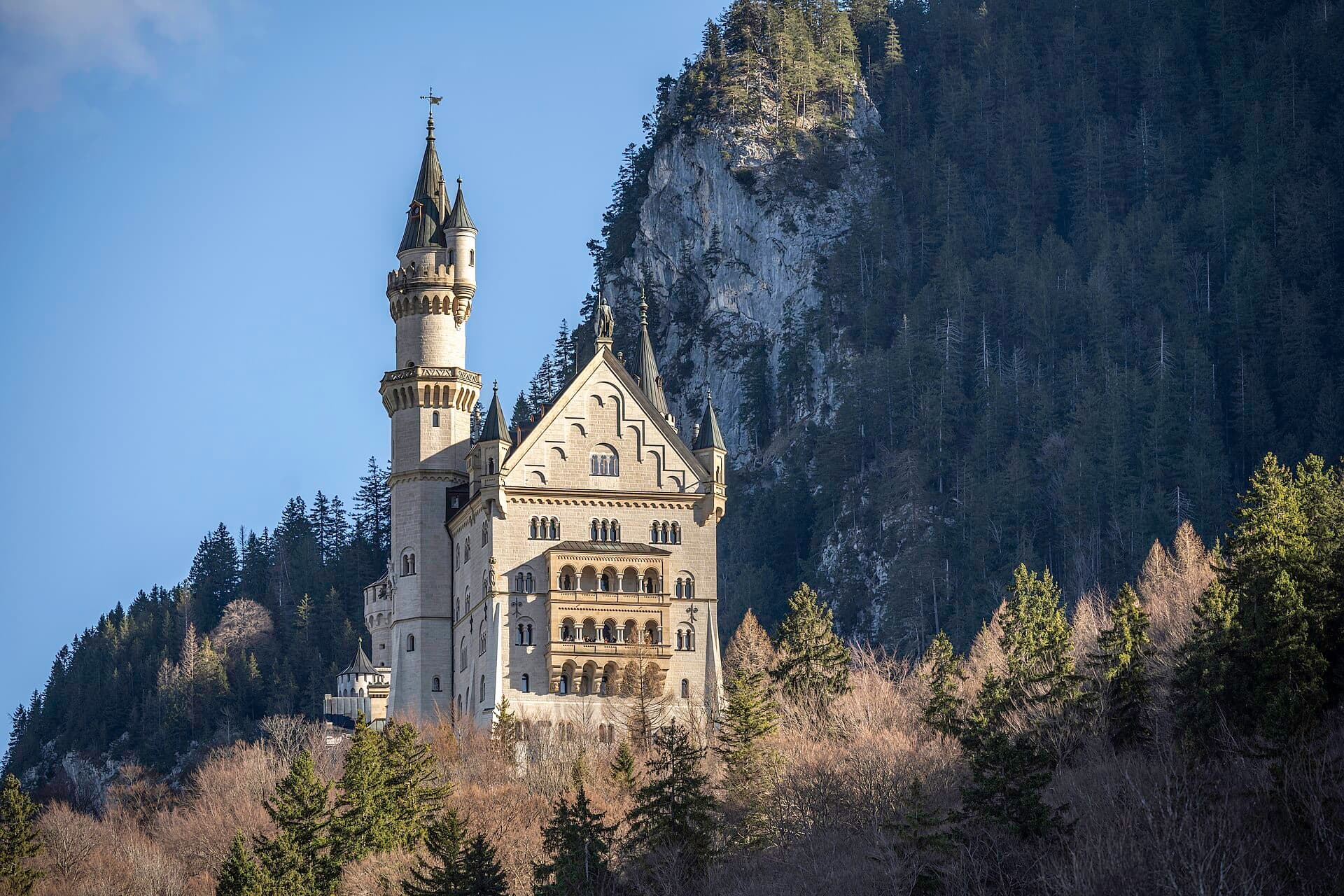
- Neuschwanstein Castle and the Bavarian Alps
- Munich's beer gardens and museums
- The Rhine and Mosel valleys
- Hamburg's harbour and Speicherstadt
Airports
Frankfurt (FRA) and Munich (MUC) are major international hubs, and Berlin Brandenburg (BER) serves the capital. Allow generous connection times at big hubs.
Local customs
Punctuality matters, so arrive on time. Greet shop staff when you enter. In formal restaurants wait to be seated; in casual places you can usually choose a free table. Sundays are quiet, and noise rules are enforced, so keep the volume down in residential buildings in the evening. Recycling is taken seriously, so sort your waste.
Emergency numbers
Fire and ambulance: 112. Police: 110.