
Overview
France is the world's most visited country, and it earns it with Paris, the Loire chateaux, Provence, the Riviera, Normandy and the Alps. It is easy to travel by high-speed train, and it is one of the best countries for food and markets.
The main practical challenges are strikes that can disrupt trains and flights, pickpockets around major sights and the reality that many small shops close on Sundays and for lunch. A day of padding in your plan helps.
Entry requirements
France is in the Schengen Area, so one short-stay Schengen visa (where you need one) covers France and the other Schengen countries. Visitors who do not need a visa can generally stay up to 90 days in any 180-day period across the whole area. South African, Zimbabwean, Nigerian, Kenyan, Ghanaian and Zambian passport holders all need a Schengen visa. Nigerian and Ghanaian ordinary passport holders also need an airport transit visa just to change planes in France, unless they hold certain valid visas or residence permits, so check the official France-Visas portal before you book a connection through Paris. Your passport should be valid for at least three months beyond your planned departure and issued within the last 10 years (see our passport validity guide).
The EU's Entry/Exit System registers non-EU visitors at the external border, so expect fingerprints and a photo on arrival. The ETIAS pre-travel authorisation for visa-free visitors has not been confirmed to start yet, so read our ETIAS status update before you plan. If you need a visa, see visa types explained.
Best time to visit
April to June and September to October offer mild weather and fewer crowds. July and August are peak season, with Paris quieter in August as many locals leave. Winter suits the Alps and Christmas markets, and the Riviera is pleasant in spring and autumn.
Money
France uses the euro (EUR). Cards and contactless are accepted almost everywhere, though a few small sellers may prefer cash. Prices on menus include service, so tipping is optional, and many people round up or leave small change. Withdraw euros from bank ATMs and decline conversion to your home currency. Keep some coins for toilets and small purchases.
For everyday spending, compare the best ways to pay while travelling and always choose the local currency when a terminal offers to convert (why).
Mobile data and eSIMs
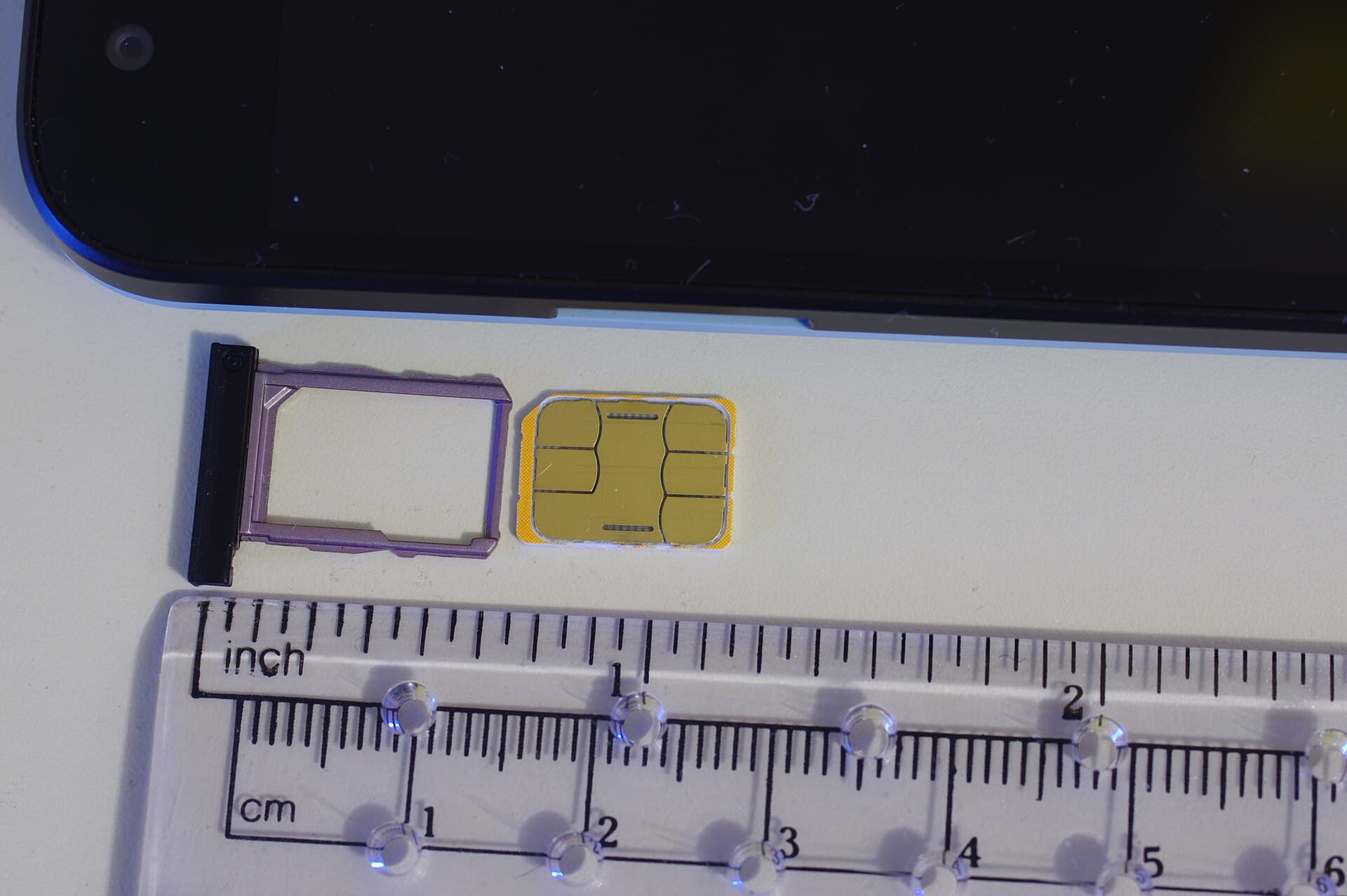
Orange, SFR, Bouygues and Free sell prepaid SIMs, and a travel eSIM is a simple way to arrive connected. EU roaming rules mean data on EU SIMs generally works across the bloc.
A travel eSIM avoids hunting for a SIM shop after a long flight. Use our eSIM Finder to estimate how much data you need.
Getting around
The TGV and other fast trains link Paris with Lyon, Marseille, Bordeaux and beyond, and booking early gives the best fares. Paris has a metro, RER, buses and trams. Paper tickets are being phased out, so load fares onto a Navigo Easy pass or buy them in the official transport apps. Strikes can disrupt trains, flights and the metro, so check ahead and keep flexible fares in busy periods. France drives on the right.
Safety and health
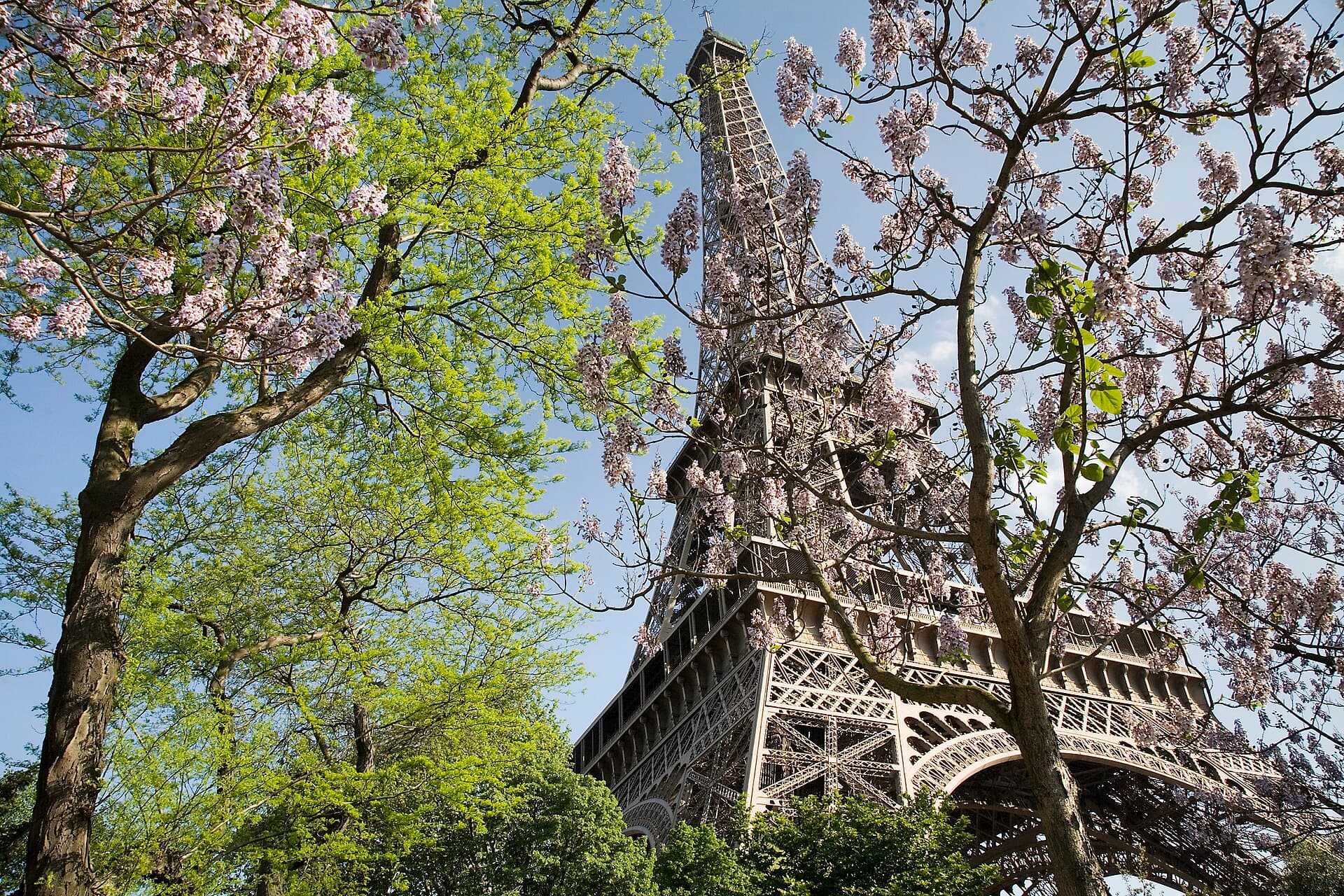
France is generally safe, but pickpocketing is common at the Eiffel Tower, the Louvre, crowded metro lines and train stations. Keep bags closed and in front of you, watch for distraction scams such as petitions and bracelets, and avoid unlicensed taxi touts at stations. Check government advice for any current terrorism alert levels and demonstrations.
Things to do
- Paris: the Louvre, Musée d'Orsay, Montmartre and the Seine
- The Loire Valley chateaux
- Provence's lavender fields and markets
- The French Riviera along the Mediterranean
- Normandy's D-Day beaches and Mont-Saint-Michel
Airports
Paris Charles de Gaulle (CDG) and Orly (ORY) are the main Paris airports, and Nice (NCE) serves the Riviera. Allow time at border control, and book trains from CDG in advance because many high-speed services leave from the airport station.
Local customs
Always say bonjour when you enter a shop or café and merci, au revoir when you leave. It is polite to attempt a few words of French before switching to English. Restaurants usually serve lunch and dinner at set times, and asking for the bill is normal since it will not arrive unprompted.
Emergency numbers
All emergencies: 112. Medical emergencies (SAMU): 15. Police: 17. Fire: 18.