
Overview
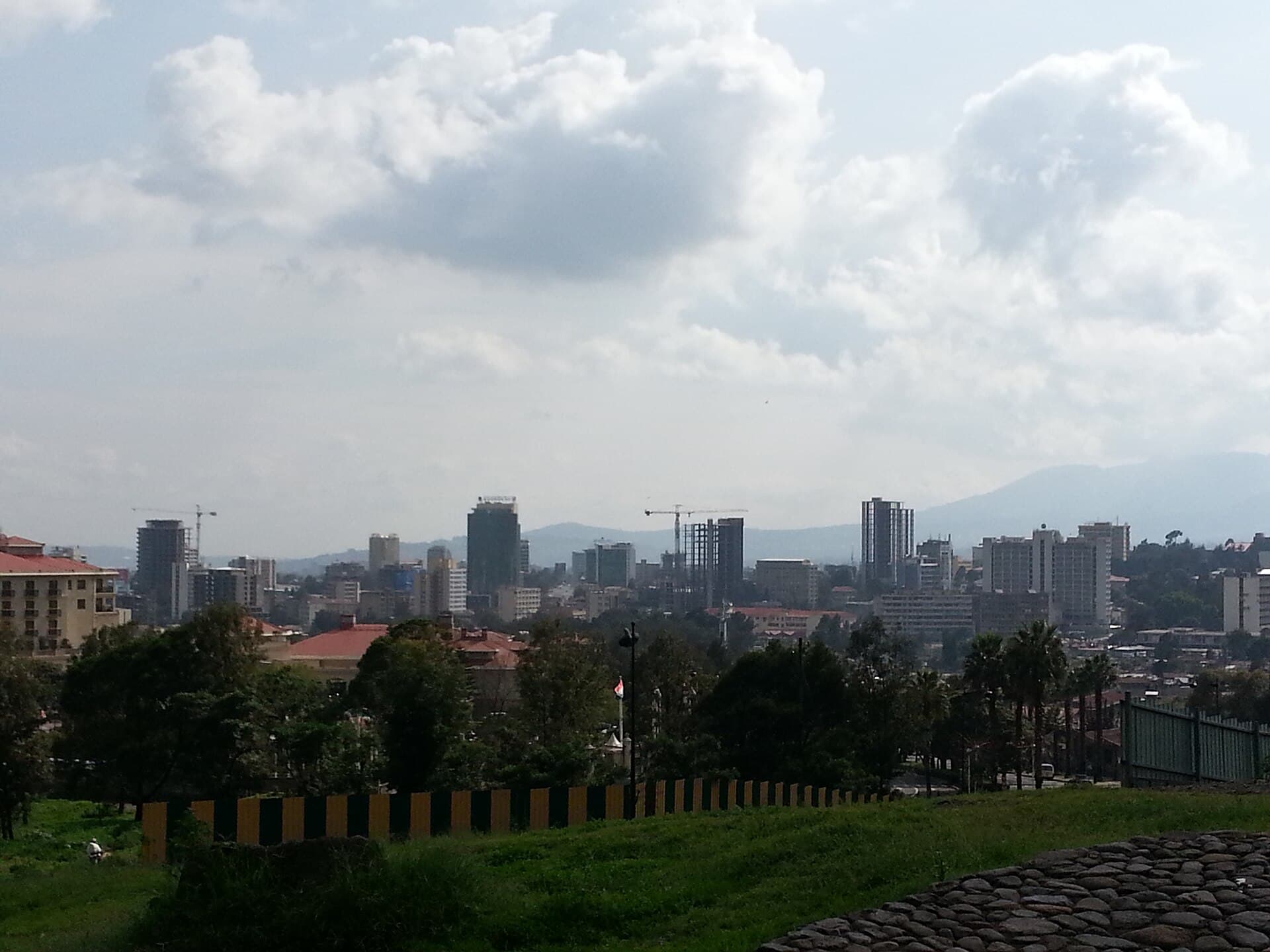
Ethiopia is one of Africa's oldest countries, with its own calendar, script, coffee ceremony and cuisine, and a capital at around 2,350 metres. It is also the home of Ethiopian Airlines, whose Addis Ababa hub connects much of Africa. Many travellers pass through Addis for a day or two.
Security is the main planning factor. The UK government advises against travel to large parts of the country, and conditions can change quickly, so check the latest advice before you book and again before you fly.
Entry requirements
UK government guidance says passports must be machine-readable and valid for at least six months after arrival, and that a visa is mandatory. It recommends applying online through the Ethiopian e-visa platform for a 30-day tourist visa, with a scanned passport copy and photo. Visas can be extended for up to 90 more days in Addis Ababa, and overstaying costs USD 30 a day. Tourist visas do not allow any work, including volunteering.
Other nationalities have different rules, so South African, Zimbabwean and other travellers should check the e-visa portal for their passport. Ethiopia's public health institute says yellow fever proof is required for travellers aged 9 months or over arriving from countries with risk of transmission.
Visitors may carry up to 3,000 birr in or out (10,000 birr if travelling to Djibouti), and cash worth more than USD 10,000 must be declared on arrival and departure. If you enter by land, declare cash worth more than USD 500. Satellite phones, binoculars and drones need prior customs approval, and ivory and antiques without export certificates are prohibited.
Best time to visit
October to May is drier and best for most travel. The main rains fall roughly June to September, which can make roads difficult. Addis Ababa's altitude means cool evenings all year, so pack a warm layer.
Money
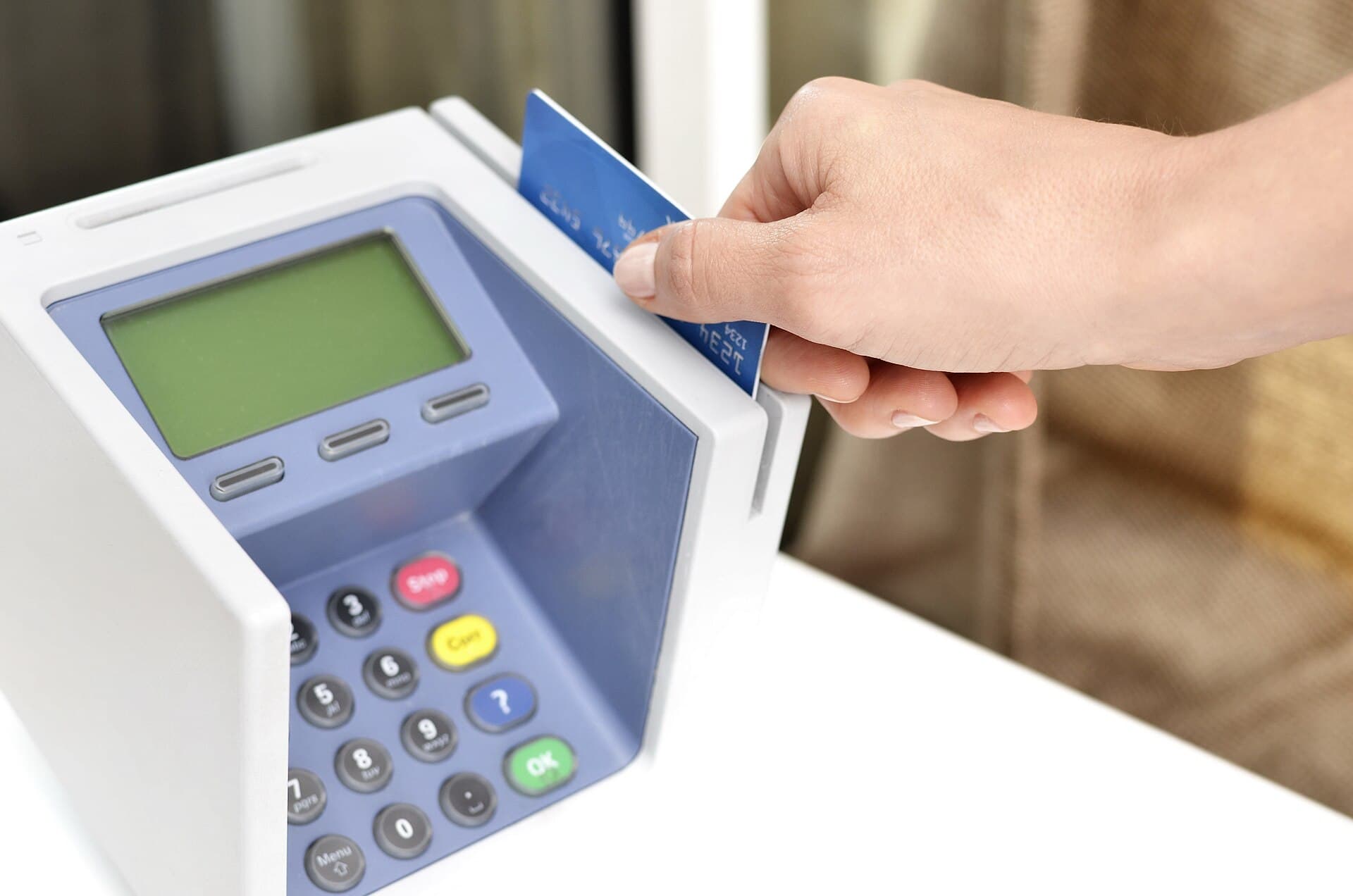
The currency is the Ethiopian birr (ETB). Cards are accepted at some larger hotels and airlines, but cash is used for most purchases and ATMs can be unreliable for foreign cards. Keep within the cash limits above and keep exchange receipts. Use authorised banks or bureaux and avoid street changers.
For everyday spending, compare the best ways to pay while travelling and always choose the local currency when a terminal offers to convert (why).
Mobile data and eSIMs
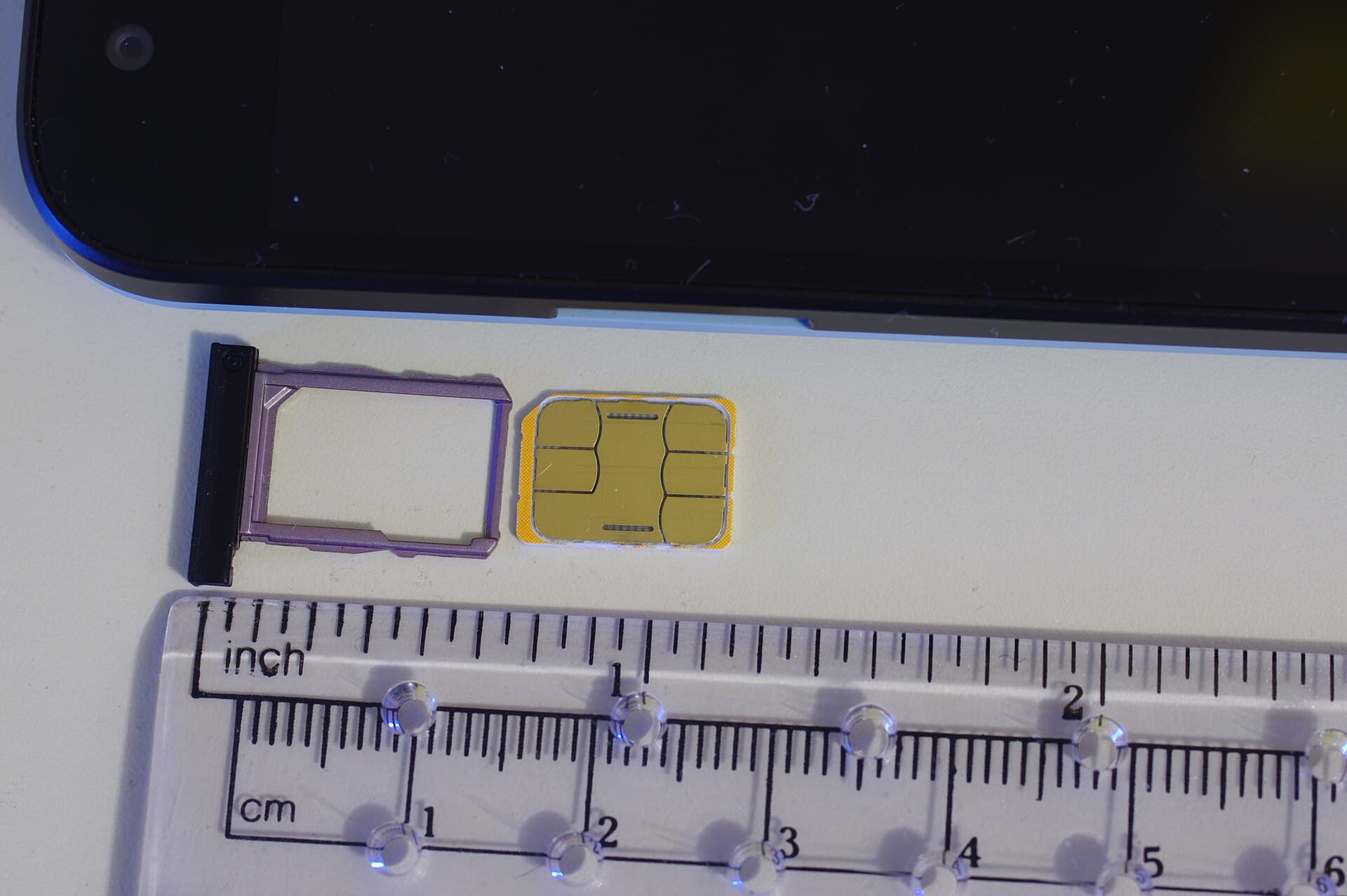
Coverage is good in Addis Ababa and larger cities and can be limited or restricted elsewhere, and internet access has been disrupted in some regions in the past. Check which services work for visitors before you rely on one. Use our eSIM Finder to estimate how much data you need, and download maps and documents offline.
Getting around
Ethiopia drives on the right. UK government guidance describes poor road conditions and frequent accidents, especially in Addis Ababa, and says drivers can face severe punishments, including custodial sentences, after an accident. From the airport, use yellow taxis or app-based taxis only. Outside cities, never drive after dark and consider travelling in convoy with food, water and medical supplies. Domestic flights are usually the practical choice for longer distances where travel is permitted.
Safety and health
Mugging is on the rise. Take care of your belongings in crowded places, especially at night, watch for pickpockets and bag-snatchers around Bole International Airport, and watch for distraction tricks such as begging or spilled food. UK guidance names Bole Medhanealem, Bole Atlas, Meskel Square, Yeka Hills and Entoto as higher-crime areas in Addis Ababa where you should not travel alone after dark. Keep car doors locked and valuables hidden. Kidnapping is a widespread risk in Oromia, Amhara and Somali regions.
Drug possession carries 5 to 10 years in prison, same-sex acts are illegal, and photography near military zones and the Presidential Palace is prohibited. Dress conservatively, especially at religious sites. British Embassy staff cannot give in-person help in areas where travel is advised against.
Take medical advice on vaccinations and malaria, and allow time to adjust to altitude.
Things to do
- Addis Ababa's National Museum, markets and coffee houses
- Entoto Hill views over the city (go in daylight and not alone, as UK guidance lists Entoto as a higher-crime area after dark)
- Trying injera, doro wat and a traditional coffee ceremony
Many of Ethiopia's best-known sites are in regions covered by official warnings. Check the current advice for any destination outside Addis Ababa before you plan.
Airports
Addis Ababa Bole International (ADD) is the main gateway and a major African hub. Allow extra time for security and connections.
Local customs
Remove shoes and dress modestly in churches and mosques. Use your right hand to eat and to give or receive items. Fasting days on the Orthodox calendar mean many restaurants serve vegan food on Wednesdays and Fridays. Ask before photographing people.
Emergency numbers
UK government guidance lists 939 for Ethiopian emergency services, answered in Amharic. For an ambulance, UK guidance says dial 907, and the US government lists 991 for police. Ask your hotel for help placing the call.