
Overview
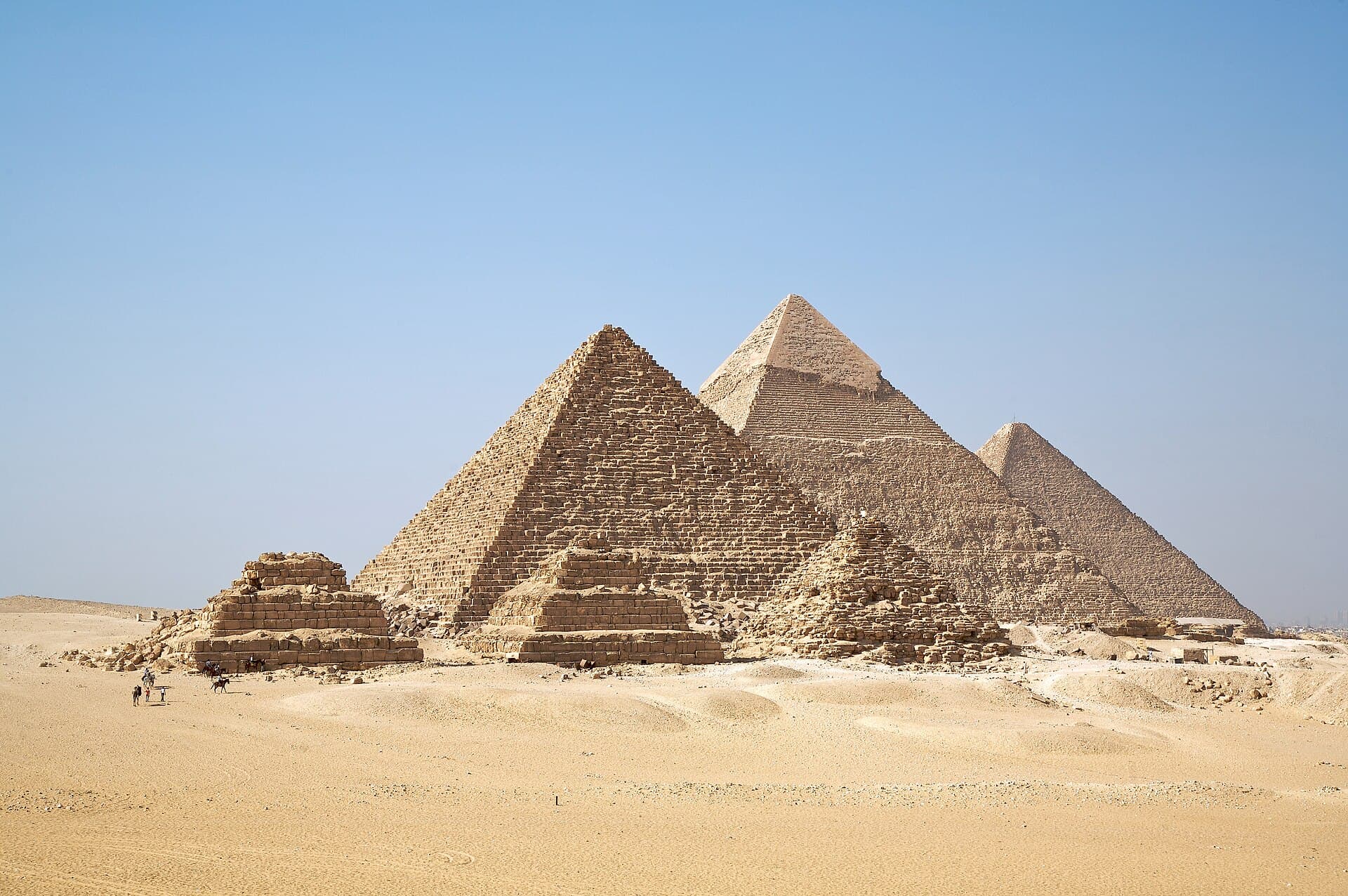
Egypt packs more history per kilometre than almost anywhere: the pyramids of Giza, the temples of Luxor and Aswan, Nile cruises and the sunken-city diving of the Red Sea. Cairo is dense, loud and unforgettable, while Sharm El Sheikh, Hurghada and Dahab are the resort and diving hubs.
The country rewards planning. Book timed tickets, agree prices before rides and tours, and leave early for outdoor sites to beat the heat.
Entry requirements
Egypt offers an e-visa through the official portal and a visa on arrival for many nationalities. Which route applies, and how long you may stay, depends on your passport, so check before you book flights. Only use the government portal: look-alike sites charge fees for the same form. The physical visa on arrival costs USD 30 in cash at airport kiosks, and Cairo airport also sells a digital version paid by card. Many African passports must apply in advance, so check the official portal for your nationality. You may carry up to EGP 5,000, and foreign currency over USD 10,000 must be declared.
If you fly into Sharm El Sheikh and stay under 15 days in the Sharm, Dahab, Nuweiba or Taba resorts, a free Sinai-only entry stamp is available at the airport, but you need a full visa to go further. Your passport should be valid for at least 6 months from arrival, with a blank page.
Best time to visit
October to April is the most comfortable for sightseeing, with cooler days for Cairo, Luxor and Aswan. Summer is very hot inland, so start early and rest in the afternoon. The Red Sea is good for diving and beaches all year, though winter water is cooler.
Money
The currency is the Egyptian pound (EGP). Cards work at hotels, malls and larger restaurants, while cash is essential for taxis, markets, tips and many sites. Foreign visitors often pay higher ticket prices at major attractions, and some venues price in foreign currency, so check the rules before you go. Tipping (baksheesh) is expected for most services, so keep small notes. Agree a price before getting into a taxi or boarding a boat, or use ride-hailing apps.
For everyday spending, compare the best ways to pay while travelling and always choose the local currency when a terminal offers to convert (why).
Mobile data and eSIMs
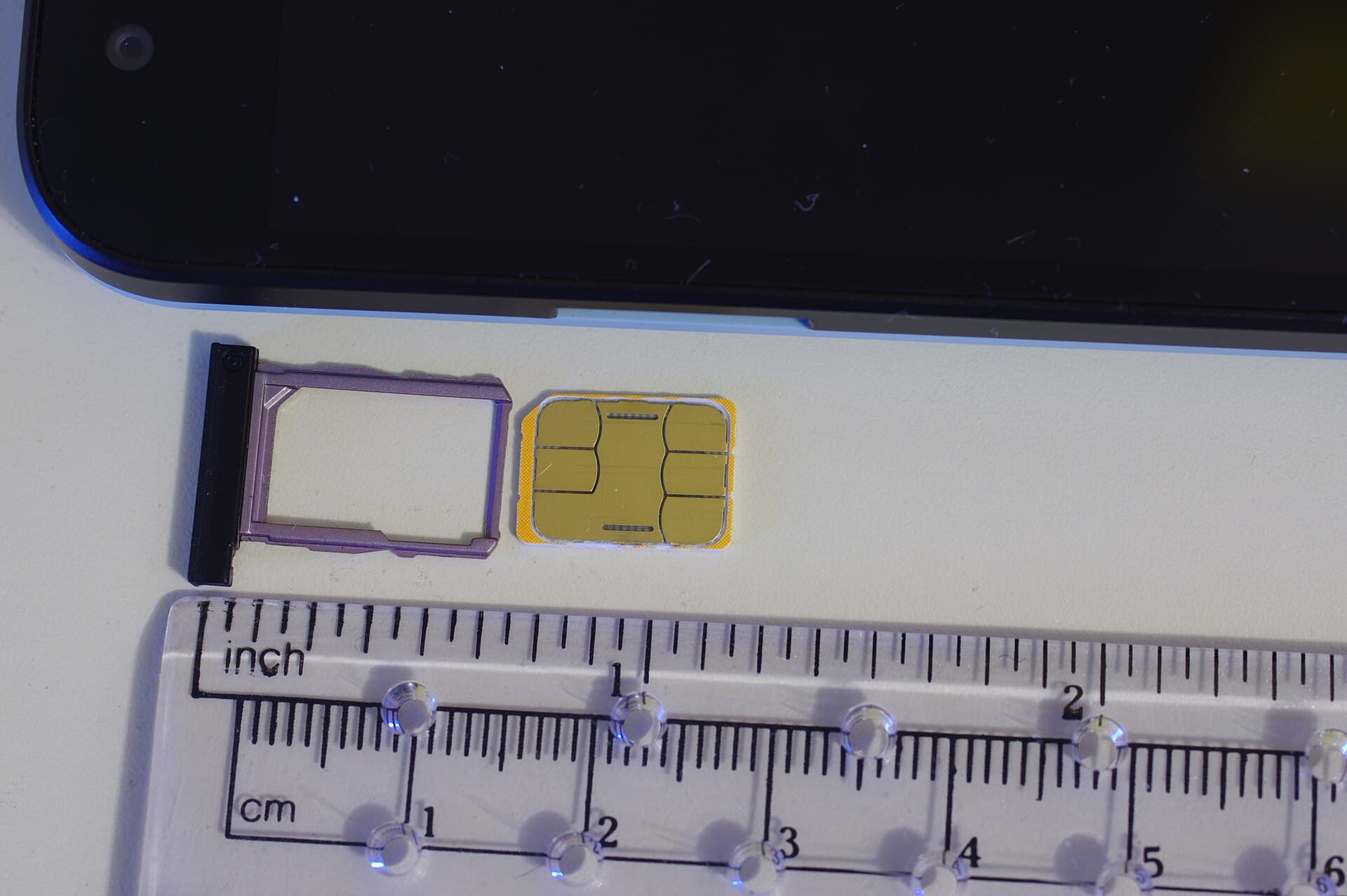
Local SIM cards are sold at the airport and in operator shops, with passport registration. Coverage is good in cities and tourist areas. A travel eSIM gives you data on arrival for maps and ride-hailing.
A travel eSIM avoids hunting for a SIM shop after a long flight. Use our eSIM Finder to estimate how much data you need.
Getting around
In Cairo, ride-hailing apps such as Uber are the easiest way to avoid fare arguments, and the metro is cheap and fast. Domestic flights and overnight trains connect Cairo, Luxor and Aswan, and Nile cruises run between Luxor and Aswan. Egypt drives on the right. Traffic in Cairo is intense, so expect long transfers.
Safety and health
Egypt has a strong tourist-police presence. Expect security checks at hotels and major sites. Watch for persistent touts, agree prices upfront and be wary of unsolicited offers of tours or detours. Government advice warns against all travel to North Sinai and the Libyan border area, and against all but essential travel to parts of South Sinai and much of the Western Desert, so read the latest advisory. Drink bottled water, and take sun protection seriously.
Things to do
- The Giza pyramids and the Grand Egyptian Museum next door in Giza
- Luxor's Valley of the Kings and Karnak
- Aswan, Philae Temple and a Nile cruise
- Abu Simbel in the south
- Snorkelling and diving in the Red Sea
Airports
Cairo International (CAI) is the main hub, with Hurghada (HRG) and Sharm El Sheikh (SSH) serving the Red Sea coast. Arrange airport pickup if arriving late, and have your visa route sorted before you land.
Local customs
Dress modestly, particularly in mosques and outside the resorts. Ramadan changes daily life, with restaurants quiet by day and busy after sunset, and eating and drinking in public can be frowned upon. Ask before photographing people, and do not photograph military sites or bridges.
Emergency numbers
Police: 122. Ambulance: 123. Fire: 180. Tourist police: 126.