

Overview
Brazil is vast and varied: Rio de Janeiro's beaches and mountains, São Paulo's food and culture, Salvador's Afro-Brazilian heritage, the Pantanal wetlands, the Amazon rainforest and the Iguaçu Falls. Plan a few regions rather than the whole country, and use domestic flights to cover distances.
The language is Portuguese, and English is less common outside tourist areas, so a translation app helps. Be careful with phones and valuables in busy cities, and enjoy the music, food and outdoor life.
Entry requirements
Visa rules depend on your passport. South African and UK passport holders can visit visa-free for tourism for up to 90 days, as can most EU citizens. Zimbabwean, Nigerian, Kenyan, Ghanaian and Zambian passport holders need a visa arranged in advance through a Brazilian embassy or the official e-visa system. US, Canadian and Australian citizens have needed an e-visa since 10 April 2025. Check the Ministry of Foreign Affairs for the current policy before booking, and use only official sites.
Yellow fever vaccination is recommended for many regions of Brazil. Brazil is a yellow fever risk country, so South Africa, Zambia, Kenya and several other countries may ask for your certificate when you fly home or onward. Get vaccinated at least 10 days before travel and keep the certificate with your passport. Speak to a travel clinic and check the health authorities' advice.
Best time to visit
May to October is drier and cooler for much of the country, and good for the Pantanal and Rio, though the north-east coast is often wettest from April to July. December to March is hot and humid with festive atmosphere, including Carnival in February or March. The Amazon has a wetter and a drier season, which changes how you travel, so choose by activity.
Money
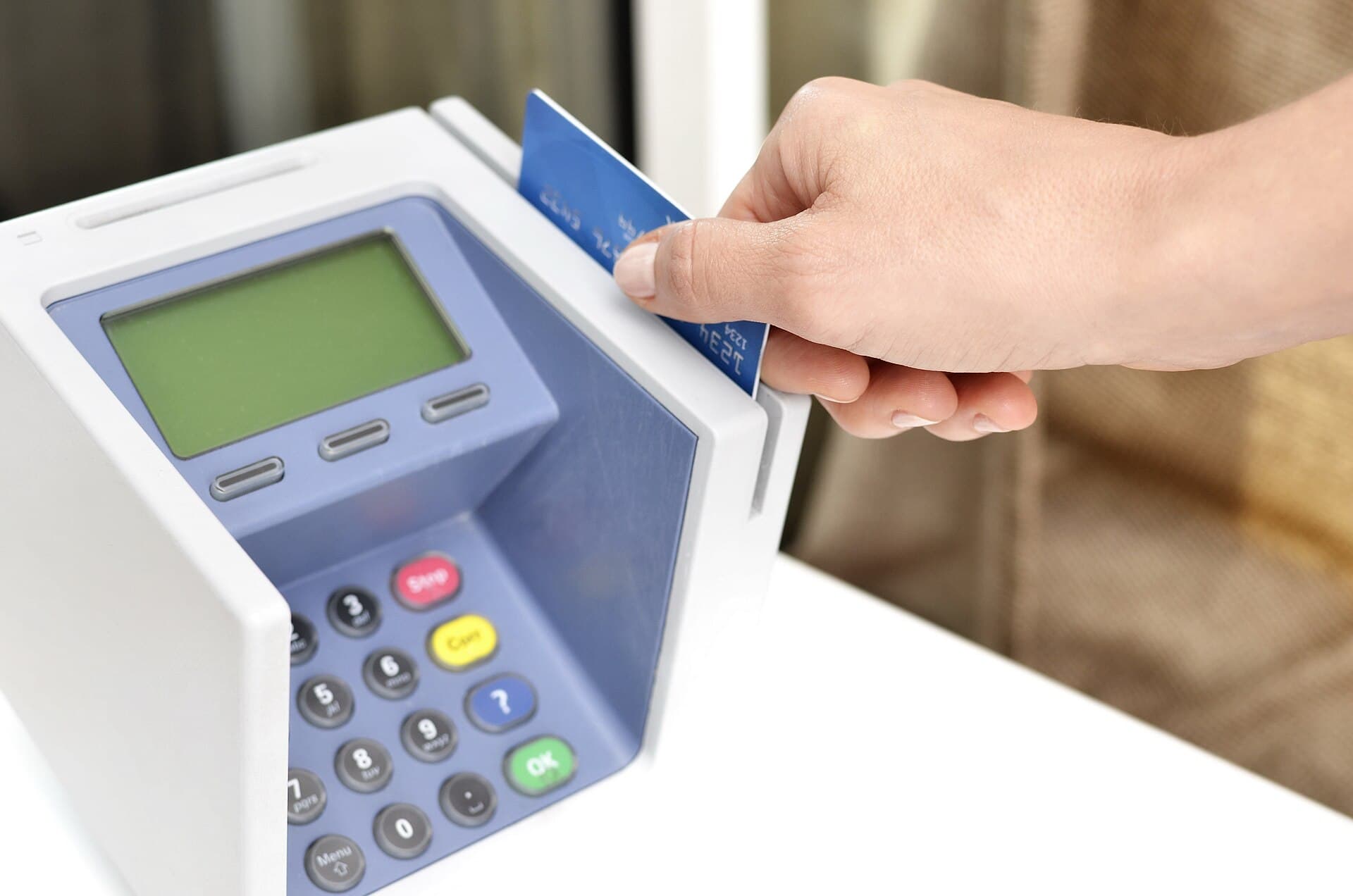
The currency is the Brazilian real (BRL). Cards are widely accepted in cities, and many places use the PIX instant payment system, which is mainly for residents. Restaurants often add a service charge of around ten percent, so check the bill before tipping. Use ATMs inside banks or malls, and keep cash for small purchases and markets.
For everyday spending, compare the best ways to pay while travelling and always choose the local currency when a terminal offers to convert (why).
Mobile data and eSIMs
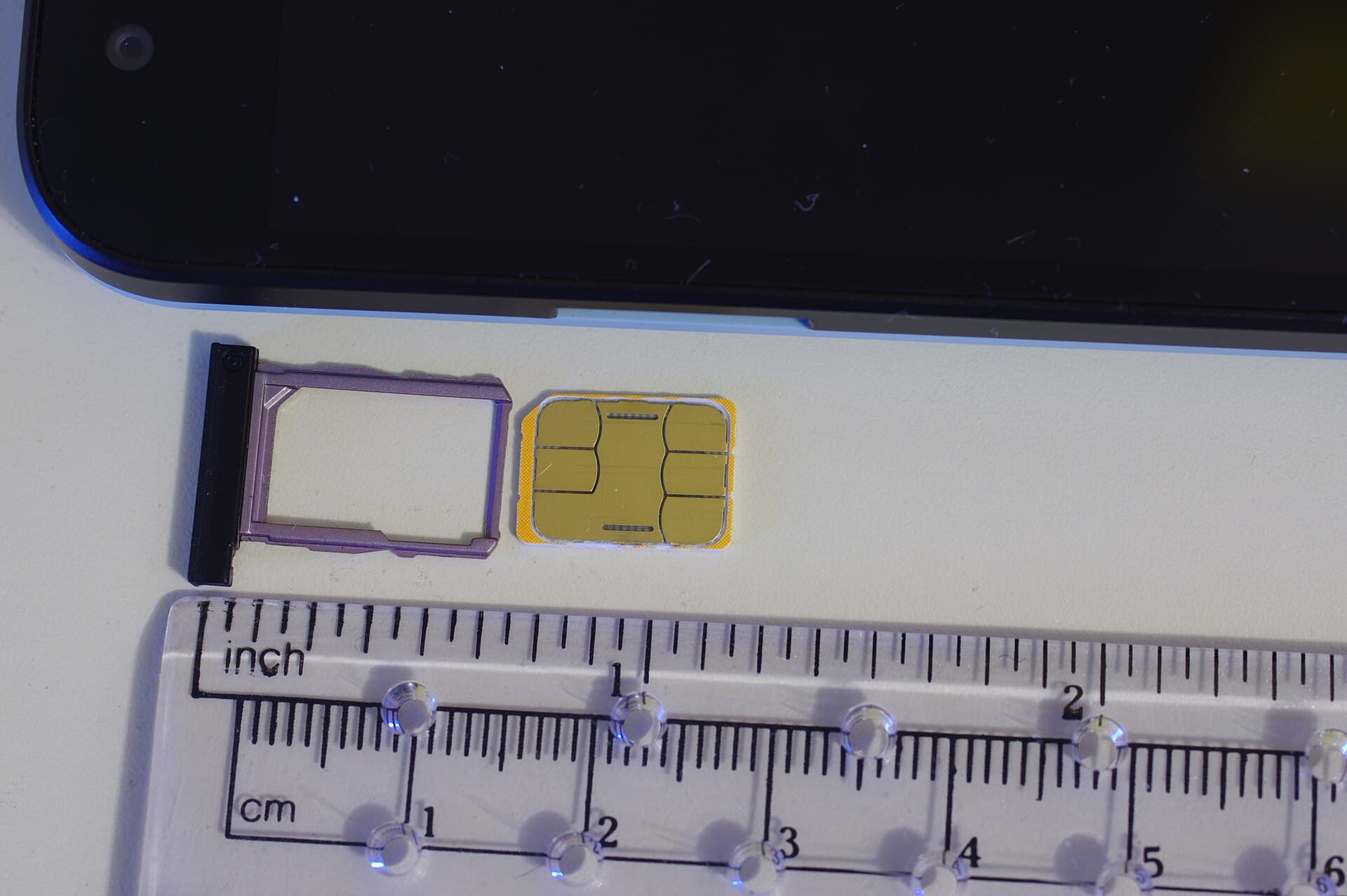
Vivo, TIM and Claro sell SIMs, and a travel eSIM is a quick way to be connected on arrival. Coverage is good in cities and weaker in the interior and Amazon.
A travel eSIM avoids hunting for a SIM shop after a long flight. Use our eSIM Finder to estimate how much data you need.
Getting around
Domestic flights link major cities and are often the best choice for long distances. Rio and São Paulo have metros, and ride-hailing apps such as Uber and 99 are widely used. Long-distance buses are comfortable and cheap. Brazil drives on the right, and car hire is useful outside cities but plan carefully.
Safety and health
Street crime such as phone and bag snatching happens in big cities and on beaches. Keep valuables out of sight, use app-booked transport at night, and carry only what you need. Follow local guidance on which neighbourhoods to avoid, and do not walk through unfamiliar areas after dark. Use mosquito repellent and sun protection.
Things to do
- Rio de Janeiro's Christ the Redeemer, Sugarloaf and beaches
- Iguaçu Falls on the Argentine border
- Salvador's historic centre and food
- The Pantanal for wildlife
- Lençóis Maranhenses and the north-east coast
Airports
São Paulo-Guarulhos (GRU) and Rio de Janeiro-Galeão (GIG) are the main gateways, and Brasília (BSB) serves the capital. Use official taxi counters or app-booked cars.
Local customs
Brazilians are warm and sociable. Greet people with a handshake or a light hug and cheek kiss. Dress is relaxed, but cover up away from beaches. Punctuality is flexible socially, though not for flights and tours.
Emergency numbers
Police: 190. Ambulance (SAMU): 192. Fire: 193.