
Overview
Australia is a country-sized trip: Sydney's harbour and beaches, Melbourne's food and laneways, the Great Barrier Reef, the red centre around Uluru, Tasmania's wilderness and the long coastal roads. Distances are huge, so flying between regions is the norm, and a single trip rarely covers more than two or three areas.
The country takes biosecurity, sun and surf safety seriously. A little preparation avoids fines and accidents.
Entry requirements
Most visitors need an ETA or a visitor visa before travel, depending on their passport. UK and most EU passport holders can use the free eVisitor (subclass 651), which allows stays of up to three months per visit over 12 months. Some passports, including British ones, can instead use the ETA (subclass 601), applied for only through the official Australian ETA app, with a small service fee. Most African passports, including those of South Africa, Zimbabwe, Nigeria, Kenya, Ghana and Zambia, are not eligible for either and need a Visitor visa (subclass 600) from the Department of Home Affairs, so apply well ahead. Check the current fee on the official site and use only official channels.
Australia has strict biosecurity rules. You must declare food, plant material, animal products and used shoes or camping equipment on arrival, and fines for failing to declare can be heavy.
Best time to visit
Australia's seasons are opposite to the northern hemisphere: summer runs December to February. Spring (September to November) and autumn (March to May) are the best for most areas. The tropical north is best in the dry season, roughly May to October, and has a stinger season for jellyfish in the warmer months. Winter is good for the red centre but cold at night.
Money
The currency is the Australian dollar (AUD). Cards and contactless are accepted almost everywhere, and many places are cashless. Tipping is not expected, though it is appreciated for exceptional service. Prices are high compared with many countries, particularly for accommodation and eating out in cities.
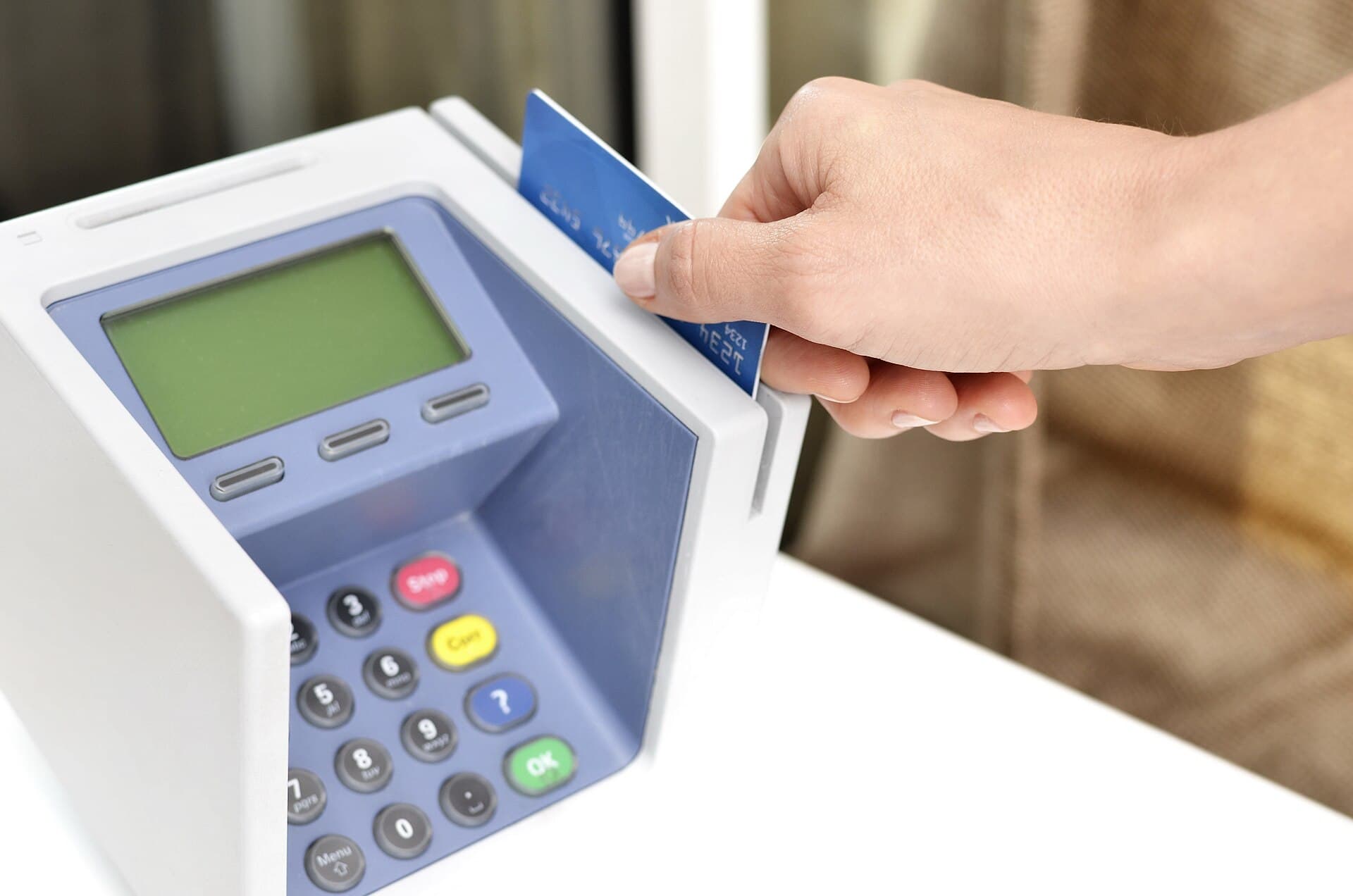
For everyday spending, compare the best ways to pay while travelling and always choose the local currency when a terminal offers to convert (why).
Mobile data and eSIMs
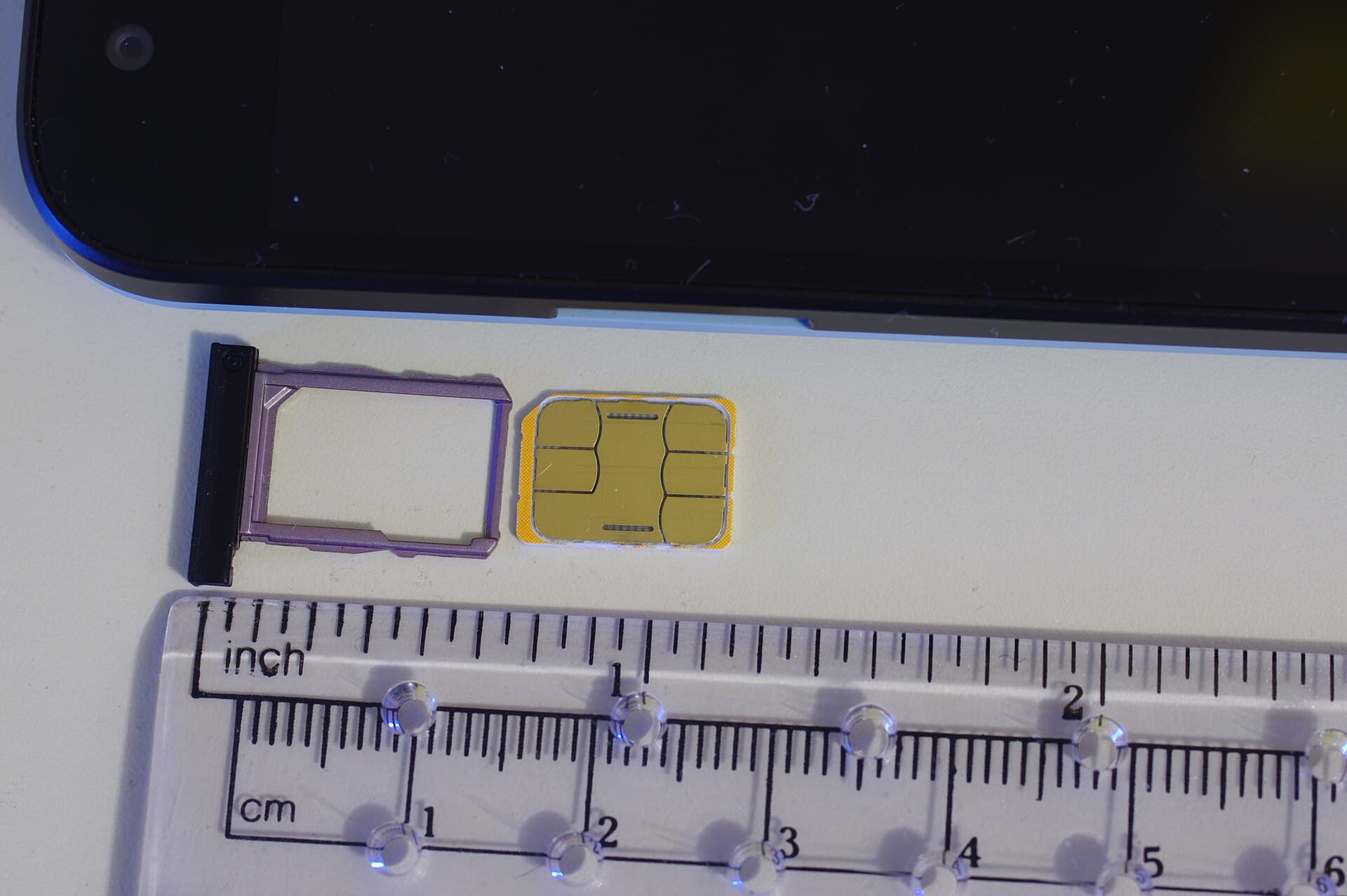
Telstra, Optus and Vodafone sell prepaid SIMs, with ID registration, and a travel eSIM is a quick option. Coverage is excellent in cities and weak across large rural and outback areas, where Telstra has the widest coverage.
A travel eSIM avoids hunting for a SIM shop after a long flight. Use our eSIM Finder to estimate how much data you need.
Getting around
Domestic flights link the main cities, and distances make flying the sensible choice. Sydney, Melbourne and Brisbane have trains, trams and ferries, and you can tap on with contactless in many places. Car hire is the norm outside cities, and Australia drives on the left. Outback driving needs preparation: water, fuel, a spare tyre and awareness of wildlife.
Safety and health
Sun, heat and surf are the biggest risks. Use sun protection, drink water and swim only at patrolled beaches between the flags, since rips are common. Wildlife such as snakes, spiders and crocodiles are rarely a problem if you follow local advice and signs. In remote areas, tell someone your route and carry water.
Things to do
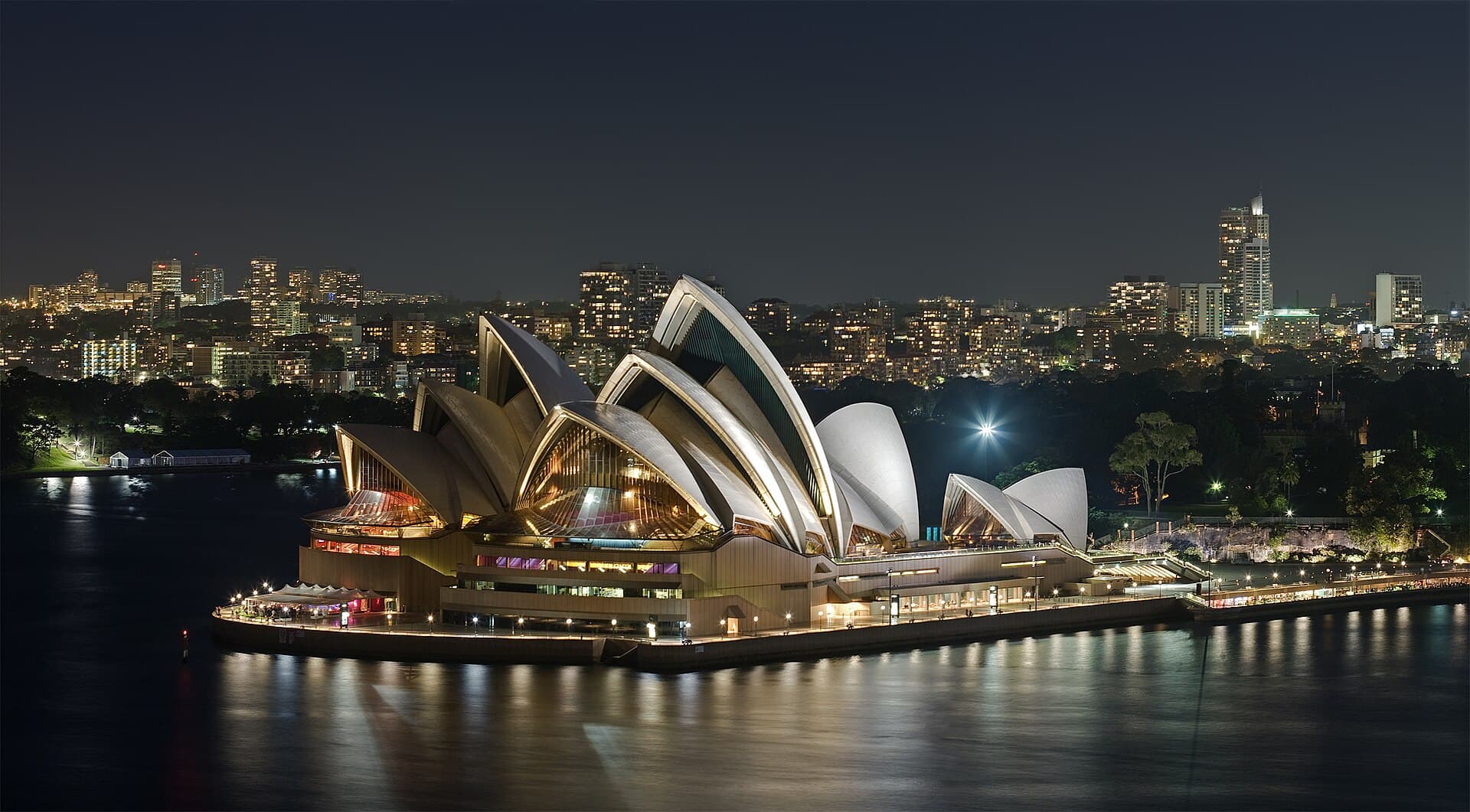
- Sydney Opera House, the Harbour Bridge and Bondi Beach
- The Great Barrier Reef from Cairns or the Whitsundays
- Uluru and Kata Tjuta in the red centre
- Melbourne's food, art and the Great Ocean Road
- Tasmania's national parks and Hobart
Airports
Sydney (SYD) and Melbourne (MEL) are the main international gateways, and Brisbane (BNE) serves Queensland. Declare food and other items on the incoming passenger card, which is moving to a digital Australia Travel Declaration on some flights, and expect biosecurity checks.
Local customs
Aussies are informal and friendly. Queue politely, and use first names. Slip, slop, slap: sunscreen is part of daily life. Bring your own water and respect local fire bans in dry seasons.
Emergency numbers
Police, fire and ambulance: 000. From a mobile phone you can also dial 112.